

January 19, 2026
January 19, 2026

Acedia: how to overcome spiritual sloth

Min read
share

While we often identify sloth with mere laziness, this vice encompasses far more than that. If we consider it in its more ancient form, acedia, we gain a clearer picture of the ways it operates in our lives, see just how devastating its effects can be, and discover several spiritual remedies. This vice may be far more relevant to our own time than we expect.

Yes, acedia, or sloth, does include laziness. This is the form of the vice with which we are most familiar today. Wasting time scrolling on our phones, vegging out on the sofa in front of the television, neglecting our bodily health, our intellectual formation and our duties at work, all of these fall under acedia.
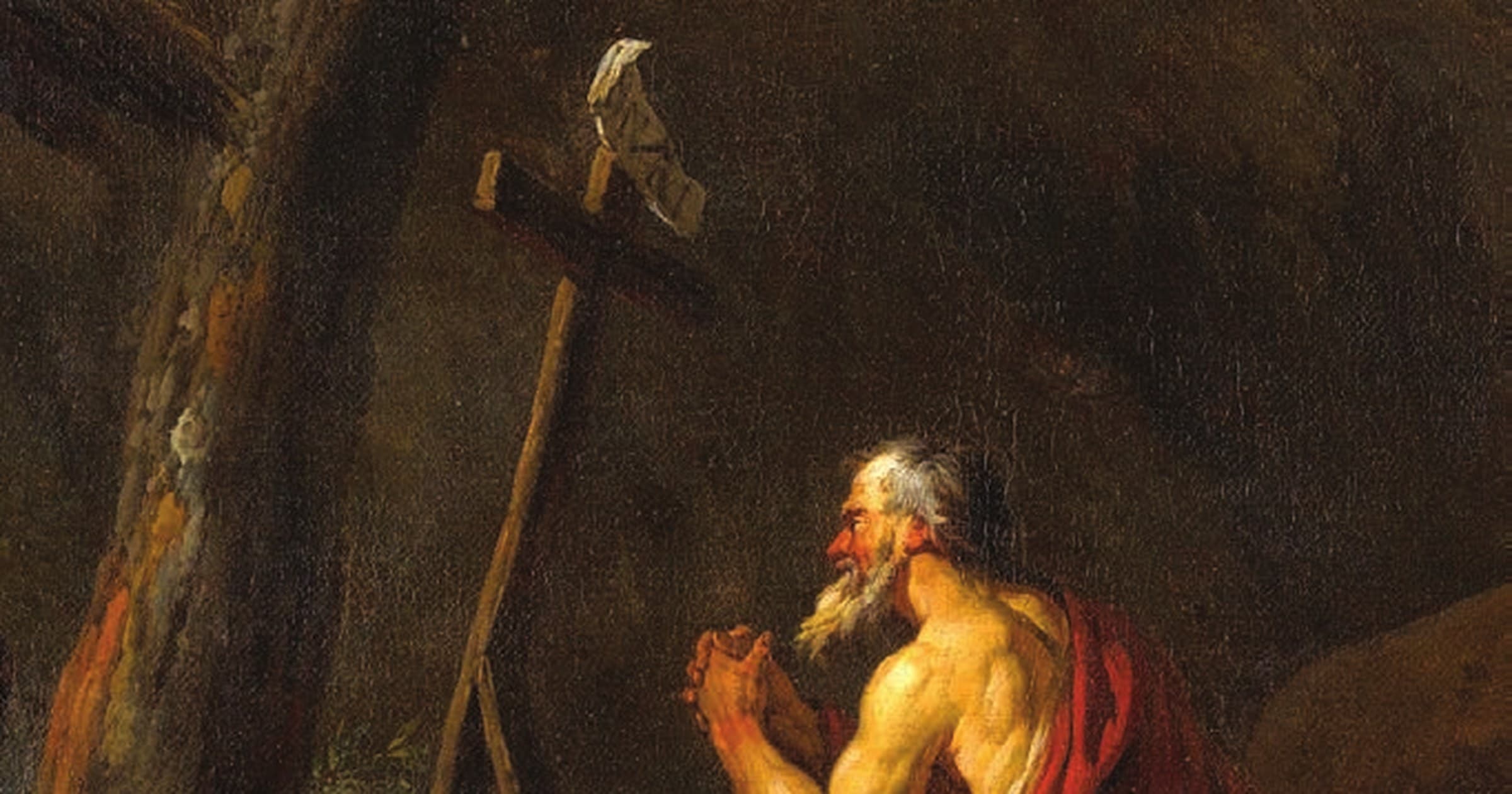
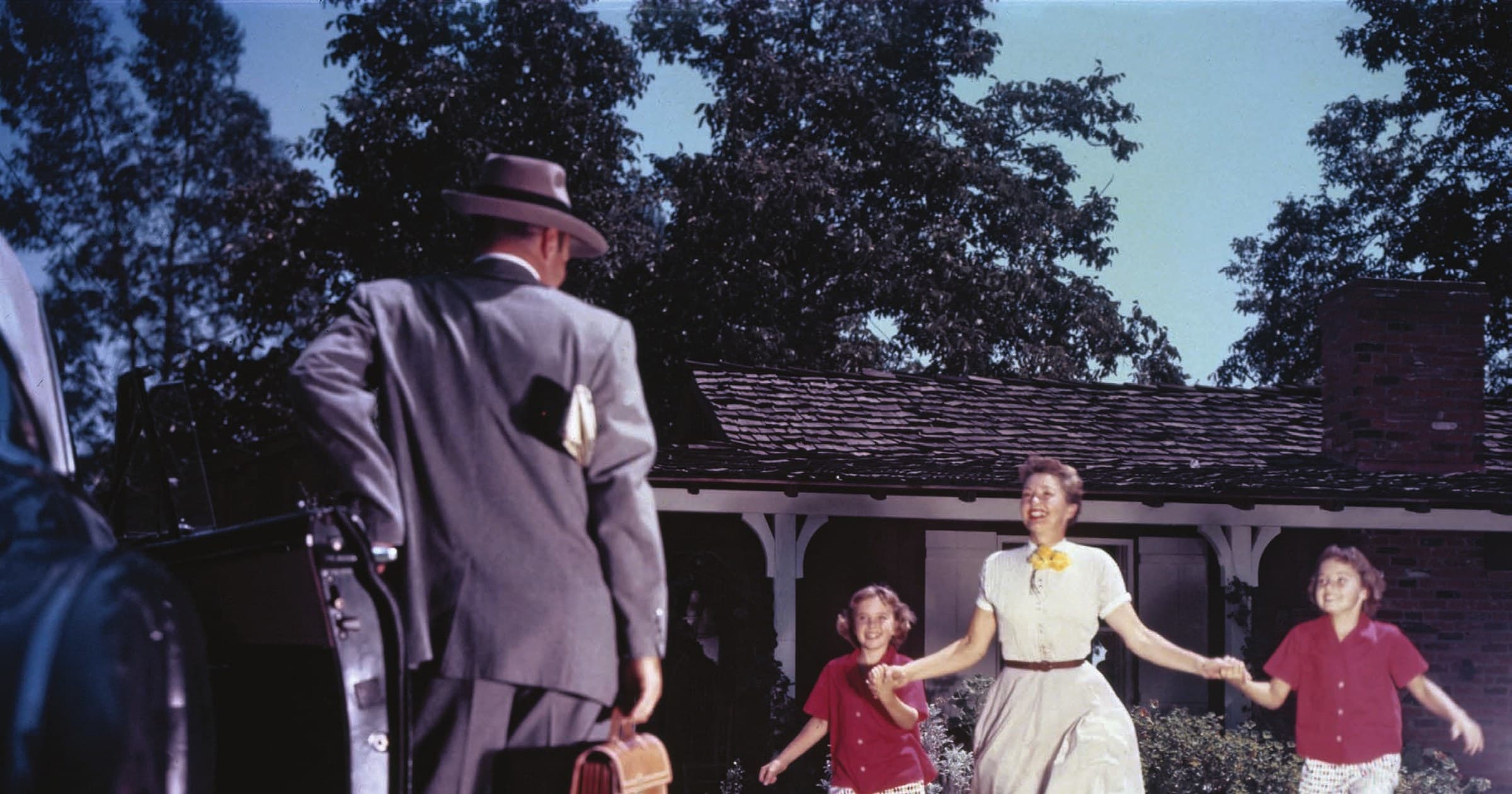
But there are many less obvious forms. Consider someone who is accomplished, knowledgeable, successful in their career, and engaged in a wide range of interesting hobbies. They are always busy and constantly working, yet they too may be suffering from acedia.

We have all experienced the sudden urge to clean the kitchen, send an email or complete some menial task instead of facing what we actually need to do. We divert our attention to small things and procrastinate from work with work. A man climbing the ranks of his law firm while neglecting family dinners may be just as slothful as the habitual Netflix viewer. Likewise, when we devote our attention to matters outside our proper remit, we are also giving way to acedia.

Aimless curiosity functions in a similar way. We expend mental energy on things that are vaguely interesting but disconnected from our purpose and duty.

So what lies at the heart of acedia? What causes this laziness and misdirection of energy? According to the greatest spiritual teachers of the Church, the vice underlying these diversions is sadness, specifically a sadness in the face of our greatest good: God Himself and the vocation to which He has called us.

In a film my wife particularly loves, The Princess Diaries, a teenage girl is unexpectedly informed by the queen of a European country that she is a princess. She is invited to live in a palace and begin training for her royal role. Feeling inadequate to the task, she becomes discouraged and nearly renounces her title. In a similar way, we have been adopted by God as heirs to a spiritual kingdom. We are invited into relationship with Him and given a dramatic role in His saving plan, one that encompasses every aspect of our lives. Our work, our family responsibilities and our daily duties all serve this supernatural end.

This role is not without its challenges. In fact, it includes every challenge, the overcoming of the world and the overcoming of the self. Discouragement in the face of such a calling is to be expected. Confronted with our weakness, we withdraw and despair of this great election. For St Thomas Aquinas, this is the source of the many forms of restlessness with which we are familiar: bodily agitation, the pursuit of useless knowledge, excessive or empty speech, fear of commitment to place or purpose, and the inability to remain with oneself in silence (Summa Theologiae, II-II, q. 35, a. 4). The royal crown is replaced by the fidget spinner.

The sadness of acedia can go further still. What begins as passive avoidance can become active rejection. The soul that finds no relief in distraction begins to resent the vocation itself. “I cannot do this” becomes “I never asked for this”, and finally “How dare He ask this of me”. What begins in despair ends in malice. Spite even takes root, an indignation towards those who have embraced the joy of charity. Holy people themselves become reminders of the good that has been rejected. This helps to explain much of the hostility towards the Church in the modern world.

Thankfully, the spiritual Fathers offer several remedies.

The first is simply recognising the presence of acedia. When the enemy is named, he often retreats. When we notice our rationalised distractions and see them for what they are, a withdrawal from our God-given vocation, something has already begun. Acedia is a cowardly vice and, very often, this recognition alone is enough to drive it away.

Because acedia is rooted in a lie, that the demands of one’s vocation are too great, it can be countered with Scripture. Christ Himself models this when He is tempted in the wilderness. When prayer or family duties begin to feel burdensome or mundane, Scripture should be close at hand. “For this is the will of God, your sanctification” (1 Thessalonians 4:3).

Another remedy may sound strange: tears. Specifically, tears for our sins and indifference. One cure for disordered sorrow is ordered sorrow. St John Chrysostom teaches that, like rain upon hard ground, tears soften the hardened heart. We should not grieve our divine calling, but we should be sorry for our failure to love God as we ought.

Other remedies may be mentioned briefly. Meditation on death, not as morbidity but as a lifting of the gaze towards our ultimate end. Simple acts of prayer and work, even five dedicated minutes when acedia begins to press in. And finally, the quiet wisdom of perseverance.

Prayer and work, which may pro difficult when motivation fails, are especially effective. The Desert Fathers, who knew the noonday devil well, found that steady prayer combined with diligent labour often drove acedia away. If motivation falters around midday, offer a brief prayer and commit to five focused minutes of work. This is not glamorous or dramatic. It is the daily substance of the Christian life. Like Christ Himself, we sanctify the ordinary by showing up, day after day, in fidelity to a modest rule of life. These small acts may seem insignificant, but there is no greater enemy of acedia, and no stronger ally in our lifelong vocation.

For further reading on acedia, see Jean-Charles Nault, The Noonday Devil: Acedia, the Unnamed Evil of Our Times.

While we often identify sloth with mere laziness, this vice encompasses far more than that. If we consider it in its more ancient form, acedia, we gain a clearer picture of the ways it operates in our lives, see just how devastating its effects can be, and discover several spiritual remedies. This vice may be far more relevant to our own time than we expect.

Yes, acedia, or sloth, does include laziness. This is the form of the vice with which we are most familiar today. Wasting time scrolling on our phones, vegging out on the sofa in front of the television, neglecting our bodily health, our intellectual formation and our duties at work, all of these fall under acedia.
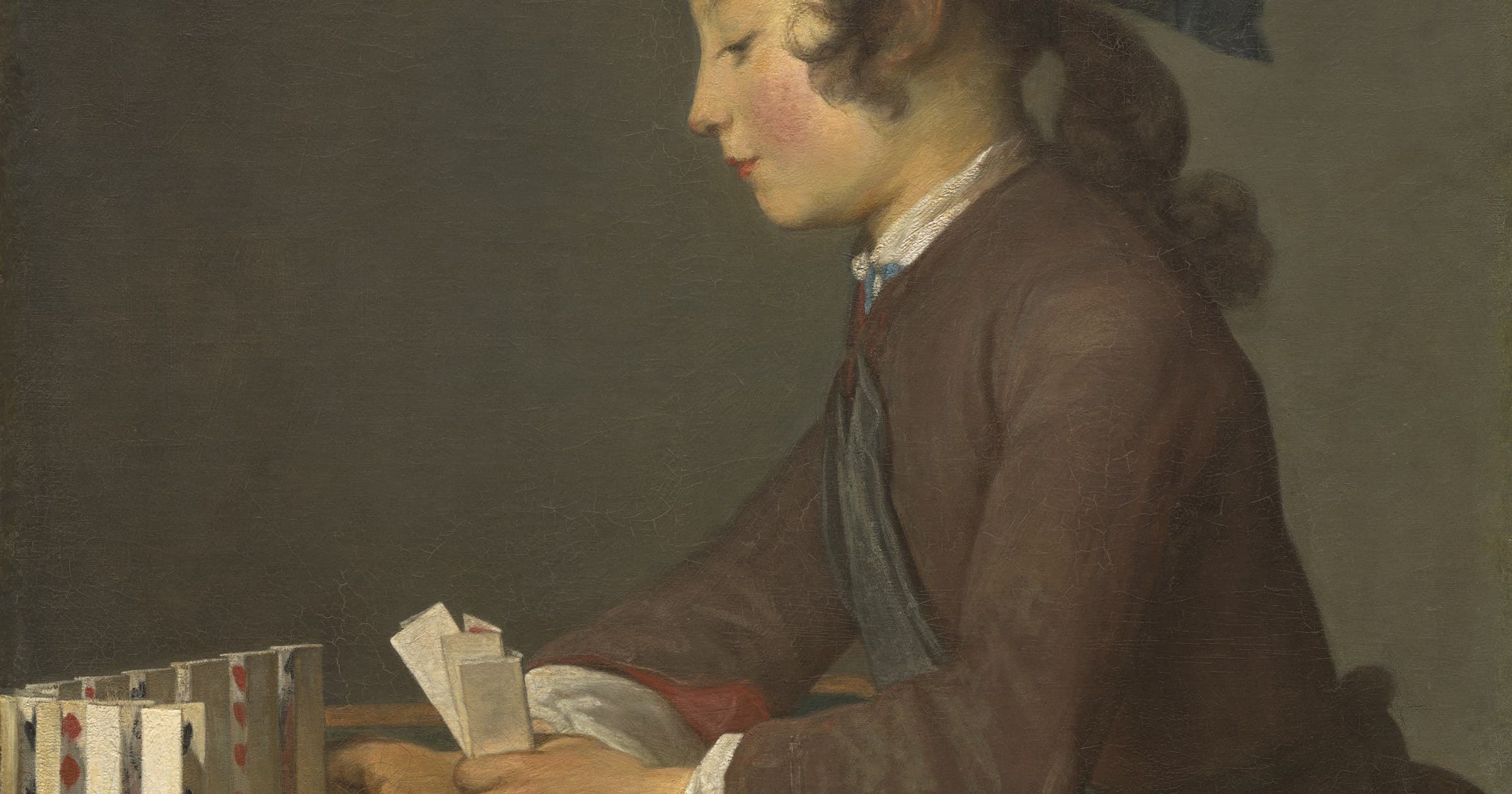
But there are many less obvious forms. Consider someone who is accomplished, knowledgeable, successful in their career, and engaged in a wide range of interesting hobbies. They are always busy and constantly working, yet they too may be suffering from acedia.

We have all experienced the sudden urge to clean the kitchen, send an email or complete some menial task instead of facing what we actually need to do. We divert our attention to small things and procrastinate from work with work. A man climbing the ranks of his law firm while neglecting family dinners may be just as slothful as the habitual Netflix viewer. Likewise, when we devote our attention to matters outside our proper remit, we are also giving way to acedia.

Aimless curiosity functions in a similar way. We expend mental energy on things that are vaguely interesting but disconnected from our purpose and duty.

So what lies at the heart of acedia? What causes this laziness and misdirection of energy? According to the greatest spiritual teachers of the Church, the vice underlying these diversions is sadness, specifically a sadness in the face of our greatest good: God Himself and the vocation to which He has called us.

In a film my wife particularly loves, The Princess Diaries, a teenage girl is unexpectedly informed by the queen of a European country that she is a princess. She is invited to live in a palace and begin training for her royal role. Feeling inadequate to the task, she becomes discouraged and nearly renounces her title. In a similar way, we have been adopted by God as heirs to a spiritual kingdom. We are invited into relationship with Him and given a dramatic role in His saving plan, one that encompasses every aspect of our lives. Our work, our family responsibilities and our daily duties all serve this supernatural end.

This role is not without its challenges. In fact, it includes every challenge, the overcoming of the world and the overcoming of the self. Discouragement in the face of such a calling is to be expected. Confronted with our weakness, we withdraw and despair of this great election. For St Thomas Aquinas, this is the source of the many forms of restlessness with which we are familiar: bodily agitation, the pursuit of useless knowledge, excessive or empty speech, fear of commitment to place or purpose, and the inability to remain with oneself in silence (Summa Theologiae, II-II, q. 35, a. 4). The royal crown is replaced by the fidget spinner.

The sadness of acedia can go further still. What begins as passive avoidance can become active rejection. The soul that finds no relief in distraction begins to resent the vocation itself. “I cannot do this” becomes “I never asked for this”, and finally “How dare He ask this of me”. What begins in despair ends in malice. Spite even takes root, an indignation towards those who have embraced the joy of charity. Holy people themselves become reminders of the good that has been rejected. This helps to explain much of the hostility towards the Church in the modern world.

Thankfully, the spiritual Fathers offer several remedies.

The first is simply recognising the presence of acedia. When the enemy is named, he often retreats. When we notice our rationalised distractions and see them for what they are, a withdrawal from our God-given vocation, something has already begun. Acedia is a cowardly vice and, very often, this recognition alone is enough to drive it away.

Because acedia is rooted in a lie, that the demands of one’s vocation are too great, it can be countered with Scripture. Christ Himself models this when He is tempted in the wilderness. When prayer or family duties begin to feel burdensome or mundane, Scripture should be close at hand. “For this is the will of God, your sanctification” (1 Thessalonians 4:3).

Another remedy may sound strange: tears. Specifically, tears for our sins and indifference. One cure for disordered sorrow is ordered sorrow. St John Chrysostom teaches that, like rain upon hard ground, tears soften the hardened heart. We should not grieve our divine calling, but we should be sorry for our failure to love God as we ought.

Other remedies may be mentioned briefly. Meditation on death, not as morbidity but as a lifting of the gaze towards our ultimate end. Simple acts of prayer and work, even five dedicated minutes when acedia begins to press in. And finally, the quiet wisdom of perseverance.

Prayer and work, which may pro difficult when motivation fails, are especially effective. The Desert Fathers, who knew the noonday devil well, found that steady prayer combined with diligent labour often drove acedia away. If motivation falters around midday, offer a brief prayer and commit to five focused minutes of work. This is not glamorous or dramatic. It is the daily substance of the Christian life. Like Christ Himself, we sanctify the ordinary by showing up, day after day, in fidelity to a modest rule of life. These small acts may seem insignificant, but there is no greater enemy of acedia, and no stronger ally in our lifelong vocation.

For further reading on acedia, see Jean-Charles Nault, The Noonday Devil: Acedia, the Unnamed Evil of Our Times.

share

subscribe to the catholic herald today

Our best content is exclusively available to our subscribers. Subscribe today and gain instant access to expert analysis, in-depth articles, and thought-provoking insights—anytime, anywhere. Don’t miss out on the conversations that matter most.
Subscribe