

Anti-Catholic myths present themselves at my door fairly often: as an RE teacher working in the classroom, I know that there is a lot of misinformation out there – especially about the Church’s role in history and about religion and science. Sometimes kids have heard these myths from the media or their parents. Sometimes it comes from what they hear in other lessons. But I don’t want to blame particular individuals or subjects for undermining the faith; often at the root of the problem is a simple lack of knowledge. Religious education, after all, doesn’t just happen in RE classes. Students can pick up ideas in other classes. I wish, for instance, that my colleagues in science might do something to challenge the “conflict thesis” of science and religion. They could make a good start simply by telling students that it was a Catholic priest, Mgr Georges Lemaître, who formulated the modern Big Bang theory and that the founder of modern genetics, Gregor Mendel, was an Augustinian friar. These small details get missed out, but would save RE teachers hours. Again, the Galileo story was, in reality, a complex tale which was as much about clashing personalities as it was about Galileo’s scientific discoveries. (Which, incidentally, were rejected by almost everybody, not just leading figures in the Vatican.) Instead, students are told that Galileo was excommunicated because his work challenged Catholic teaching, and the episode is put down as another example of science being incompatible with Christianity. There is a whole other story, which secularists like Richard Dawkins prefer not to mention: that science was born out of a theistic worldview, and that the desire to investigate nature often comes from a belief that God created it. But it would be better if science teachers, rather than RE teachers on the defensive, could point this out. There are other ways in which teachers can help each other. It can be enlightening to ask colleagues what worries or confuses them about the Catholic faith. It is likely that questions about homosexuality, contraception, abortion and euthanasia will come up. Tackling such issues head-on is important: not simply what the Church teaches, but why. This can often help colleagues make far better sense of the faith. For those of us at the chalkface, confronting anti-Catholic prejudice is not easy because of all the competing pressures: secular agencies, shortages of staff, resources and curriculum time, as well as budgetary constraints. In the face of all these, it is clear that one primary challenge is to keep RE as the “core of the core” in the school curriculum, as St John Paul II put it. It does not need pointing out that organisations such as Ofsted and the Department for Education do not prioritise RE as we, the Catholic community, do. To maintain the subject’s elevated status, we must balance our priorities carefully. We also need to challenge and continue to educate. When we encounter anti-Catholic myths or biased resources, we need to provide a counter-narrative. We do need to go beyond the GCSE or A-level specification to “fill the gaps”. We also need to highlight problems and work towards identifying a genuine and truth-filled RE in our schools. That is certainly a long-term task. To create a more integrated Catholic curriculum will be a difficult project requiring much thought and collaboration. But there is a pressing need to ensure that our students receive an accurate teaching of the faith, in all respects. This cannot be left to chance. Andy Lewis is an assistant headteacher and director of RE at St Bonaventure’s, East London
1:00 PM
Tackling anti-Catholic myths at the chalkface
Andy Lewis

3 min read



Already a subscriber? Sign in
5freearticles every month
Continue reading with a free account. No card needed.
- Five free articles every thirty days, on any device you sign in on
- The Catholic Herald newsletter, every morning
- Subscribe whenever you like for everything: every article and the magazine
Related articles
 Newsroom
First parish named for Bl Fulton Sheen established in Illinois
Bishop Louis Tylka of Peoria announced the new Blessed Fulton Sheen Parish two days after Sheen became the first American-born bishop to be beatified
Christine Rousselle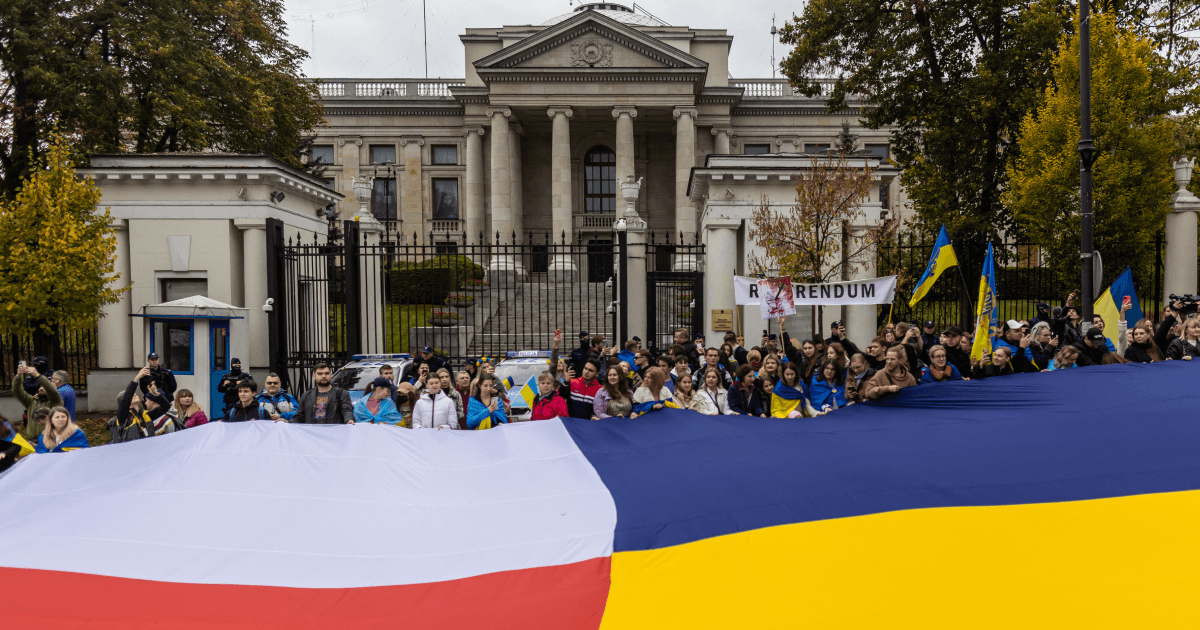 Newsroom
Injured priest tells Poles: ‘Do not blame Ukraine’ for convent attack
Corrie Douglas-Young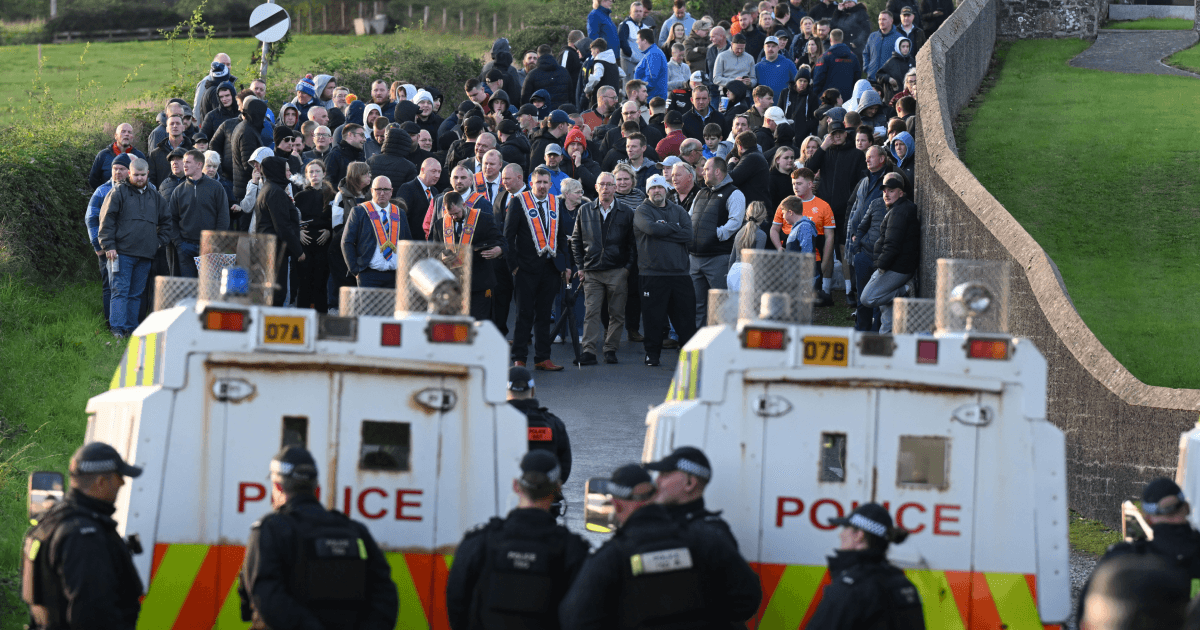 Newsroom
Church leaders urge Drumcree dialogue: ‘Too much is at stake’
Corrie Douglas-Young Newsroom
Thousands of Irish children to join global Rosary campaign
Corrie Douglas-Young Newsroom
TikTok priest urges young people to stand with persecuted Christians
Nathalie Raffray
subscribe to the catholic herald today
Our best content is exclusively available to our subscribers. Subscribe today and gain instant access to expert analysis, in-depth articles, and thought-provoking insights—anytime, anywhere. Don’t miss out on the conversations that matter most.
Subscribe



