



Every bishop and cardinal should watch the film Spotlight, the Vatican’s former chief prosecutor of clerical sex abuse cases has said, so they realise that reporting abuse, not silence, will save the Church. The film underlines the key problem of omertà or a code of silence, Archbishop Charles Scicluna of Malta said, according to the Italian daily La Repubblica. “The movie shows how the instinct – that unfortunately was present in the Church – to protect a reputation was completely wrong,” he said after a showing of the film in Valletta. “All bishops and cardinals must see this film,” he added, “because they must understand that it is reporting that will save the church, not omertà.” The archbishop, 56, is the head of a board within the Congregation for the Doctrine of the Faith that deals with appeals filed by clergy accused of abuse. Before he was named an auxiliary bishop in Malta in 2012, Archbishop Scicluna spent 10 years as promoter of justice at the doctrinal congregation, handling accusations of clerical abuse. He told La Repubblica that an important moment in the film, which looks at the Boston Globe’s investigation into Church leaders covering up abuse allegations, was a line spoken by the lawyer, who said: “If it takes a village to raise a child, it takes a village to abuse one.” The archbishop said this shows how complicity was a major part of the problem. While an individual was responsible for an act of abuse, “also guilty are the others – those who know and don’t say anything”, he told the newspaper. The Globe’s investigative series started to be published in January 2002. Archbishop Scicluna said that that was when the head of the Vatican’s doctrinal congregation the then-Cardinal Joseph Ratzinger, called him to help deal with cases. St John Paul II had put the doctrinal congregation in charge of overseeing cases of clerical abuse in 2001. St John Paul II also asked US cardinals to come to the Vatican just a few months after the Globe began publishing its exposé, telling the cardinals that there was no place in the Church for priests or religious who abused minors. “It was the beginning of a new era for the Church,” Archbishop Scicluna said.
12:00 PM
Archbishop says all cardinals should see Spotlight
Staff writers


4 min read



Already a subscriber? Sign in
5freearticles every month
Continue reading with a free account. No card needed.
- Five free articles every thirty days, on any device you sign in on
- The Catholic Herald newsletter, every morning
- Subscribe whenever you like for everything: every article and the magazine
Related articles
 Newsroom
Church leaders urge Drumcree dialogue: ‘Too much is at stake’
The Catholic and Church of Ireland Archbishops of Armagh have urged a renewed commitment to peace and reconciliation amid the Drumcree stand-off
Corrie Douglas-Young Newsroom
Thousands of Irish children to join global Rosary campaign
Corrie Douglas-Young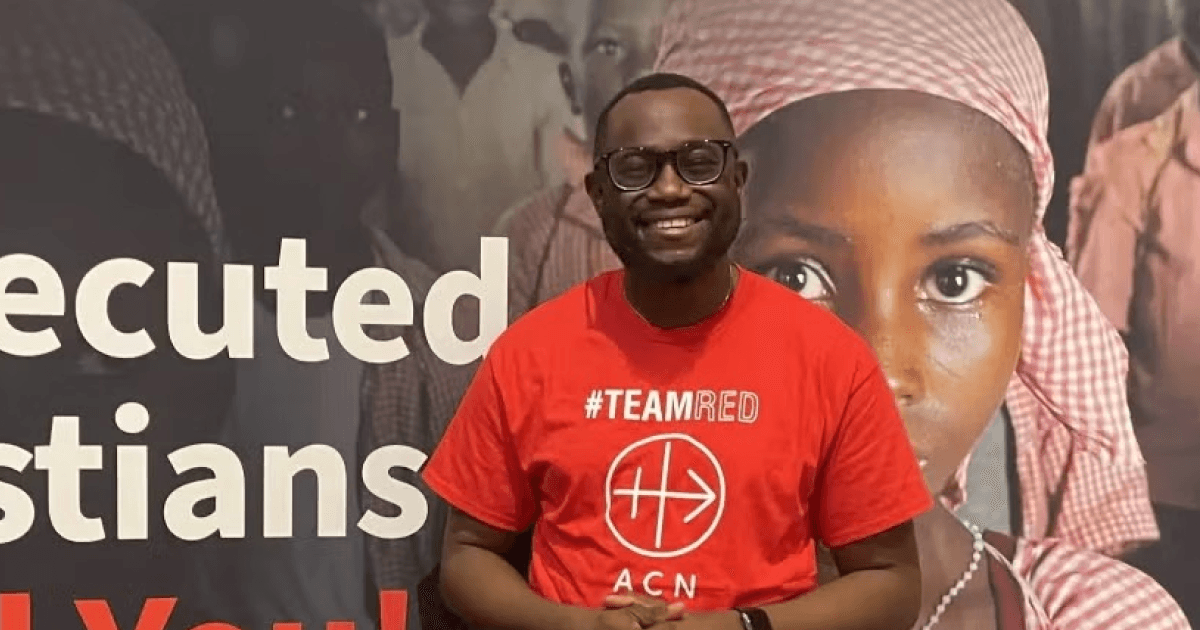 Newsroom
TikTok priest urges young people to stand with persecuted Christians
Nathalie Raffray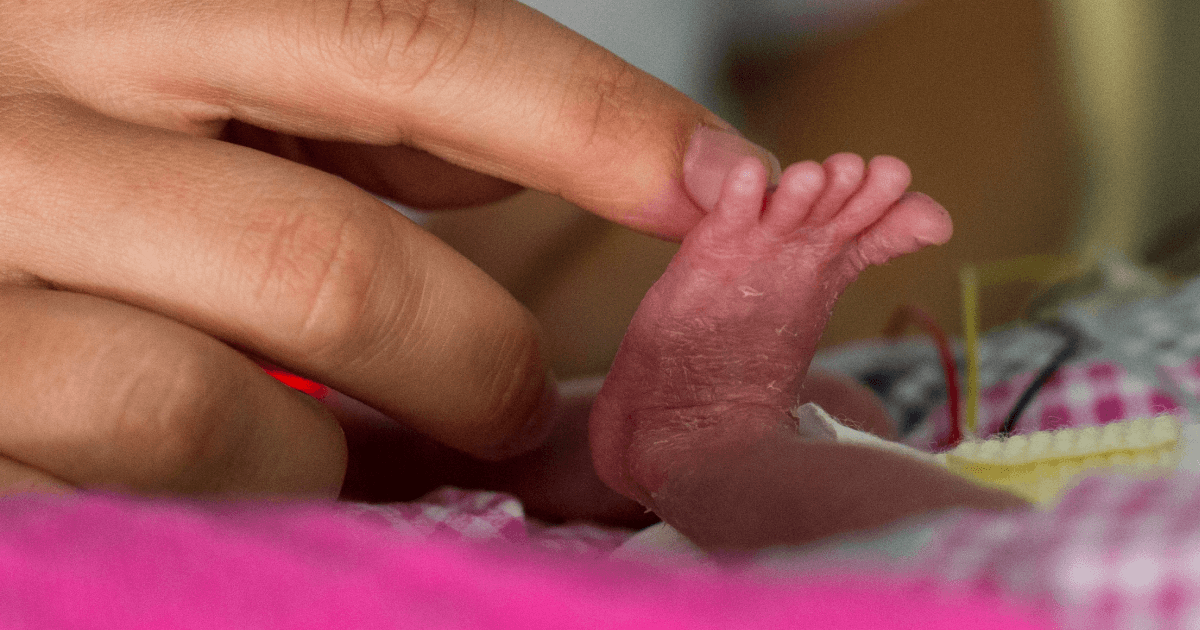 Newsroom
Baby born at 25 weeks reunites with neonatologist two years after leaving hospital
The Catholic Herald Newsroom
Joe Biden honoured by Planned Parenthood after defending abortion rights
Christine Rousselle
subscribe to the catholic herald today
Our best content is exclusively available to our subscribers. Subscribe today and gain instant access to expert analysis, in-depth articles, and thought-provoking insights—anytime, anywhere. Don’t miss out on the conversations that matter most.
Subscribe



