

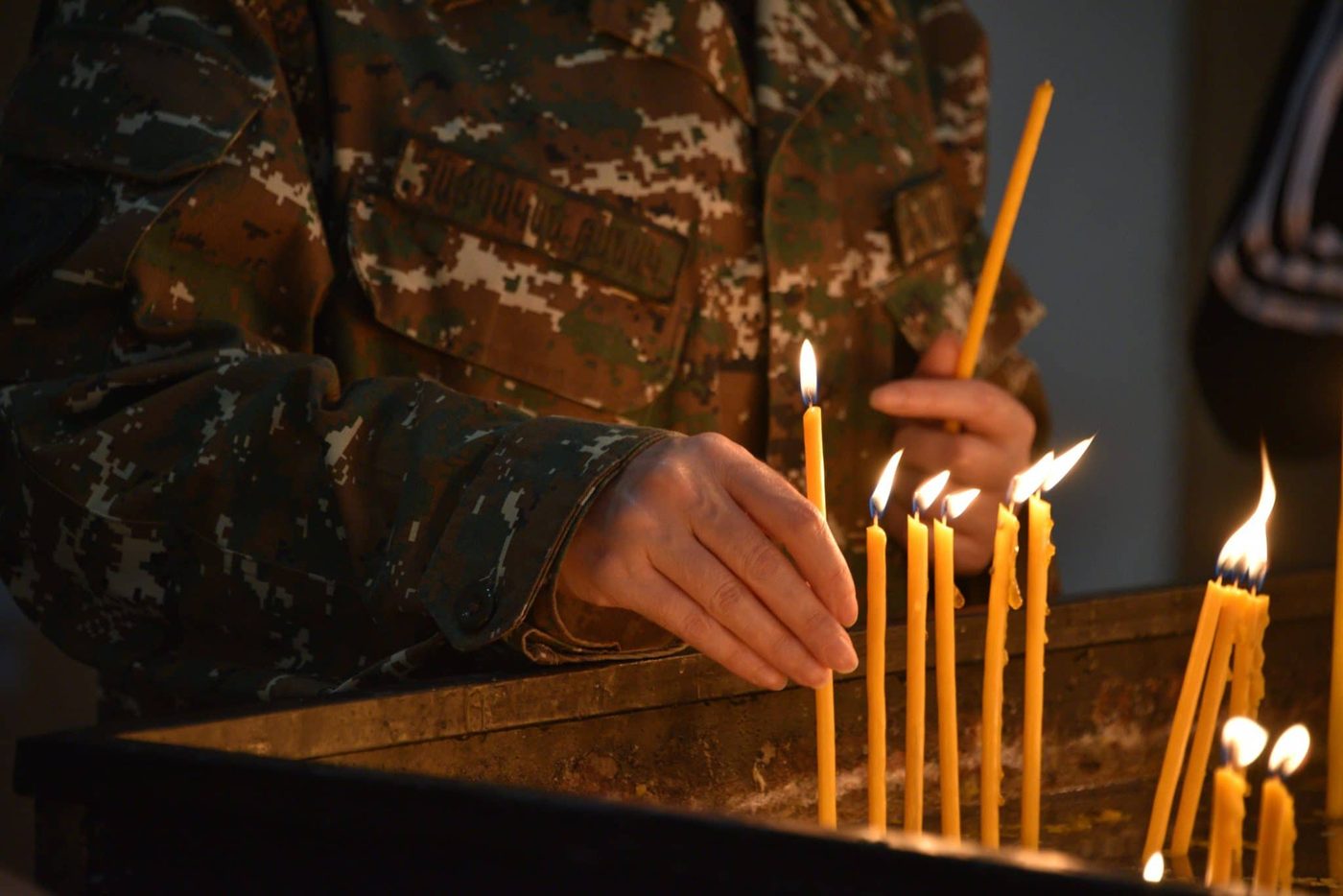
While one ancient Armenian church is restored in Iran, others in former parts of Armenia will have to survive under their new mostly Muslim country of Azerbaijan, which borders Iran to the north, as a result of a recent ceasefire agreement. The fifth-century St. John Church has undergone some rehabilitation works in the village of Sohrol, Iran, near Shabestar city in East Azarbaijan province, Tehran Times reported. Also known as Sohraqeh Church, St. John Church, which is of the Armenian Catholic Rite, was rebuilt on the older church foundation in 1840 by Samson Makintsev, a Russian general in the service of Iran during the Qajar era. The restoration involves the reinforcement of the main structure, filling small cracks, and erecting retaining walls for stabilizing soil from a potential landslide, according to Tehran Times. The Armenians embraced Christianity about AD 300 and were the first people to do so as a nation. About 50 years after the Council of Chalcedon (451), the Armenians repudiated the Christological decisions of the council and became the Armenian Apostolic (Orthodox) Church. In 1740, Abraham Petros I Ardzivian helped bring the Armenian Catholic Church into lasting communion with Rome. In November, a ceasefire was declared in the second brutal war between Armenia and Azerbaijan. However, hundreds of Armenian churches will become part of the predominantly Muslim Azerbaijan under the ceasefire agreement. Some renowned Armenian Church structures that will now be under Azerbaijani control include the Amaras monastery established by St. Gregory and St. Grigoris in the fourth century, the basilica of Tsitsernavank, and the Dadivank Monastery, according to the New York Times. Cover photo: An Armenian person dressed in fatigues lights candles for war dead in a church in Yerevan on October 17, 2020. (Photo by KAREN MINASYAN/AFP via Getty Images)
9:20 AM
Armenian Christians in war-torn region brace for power changeover
After a ceasefire in November, scores Armenian churches could become part of predominantly Muslim Azerbaijan.
David Kilby

2 min read



Already a subscriber? Sign in
5freearticles every month
Continue reading with a free account. No card needed.
- Five free articles every thirty days, on any device you sign in on
- The Catholic Herald newsletter, every morning
- Subscribe whenever you like for everything: every article and the magazine
Related articles
 Newsroom
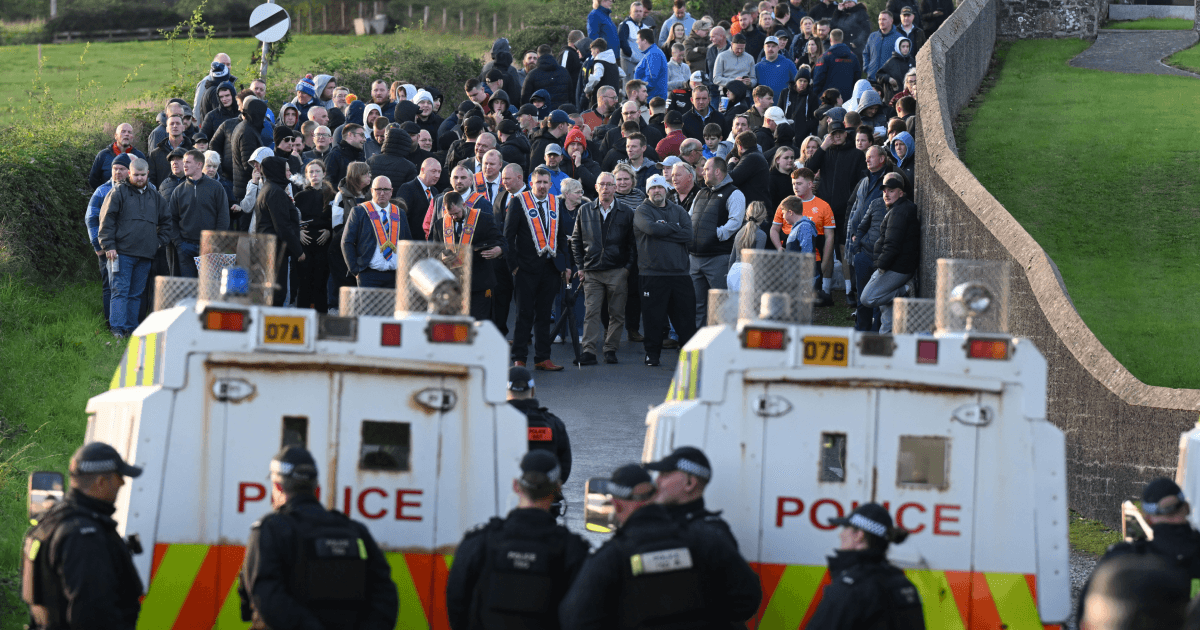
Church leaders urge Drumcree dialogue: ‘Too much is at stake’
The Catholic and Church of Ireland Archbishops of Armagh have urged a renewed commitment to peace and reconciliation amid the Drumcree stand-off
Corrie Douglas-Young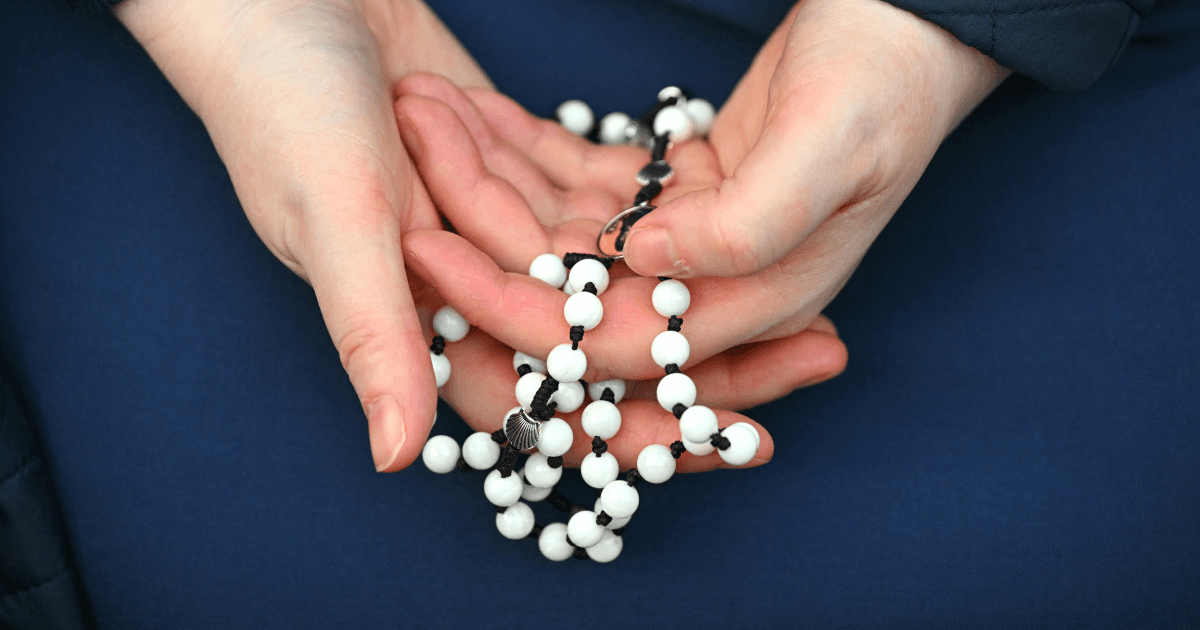 Newsroom
Thousands of Irish children to join global Rosary campaign
Corrie Douglas-Young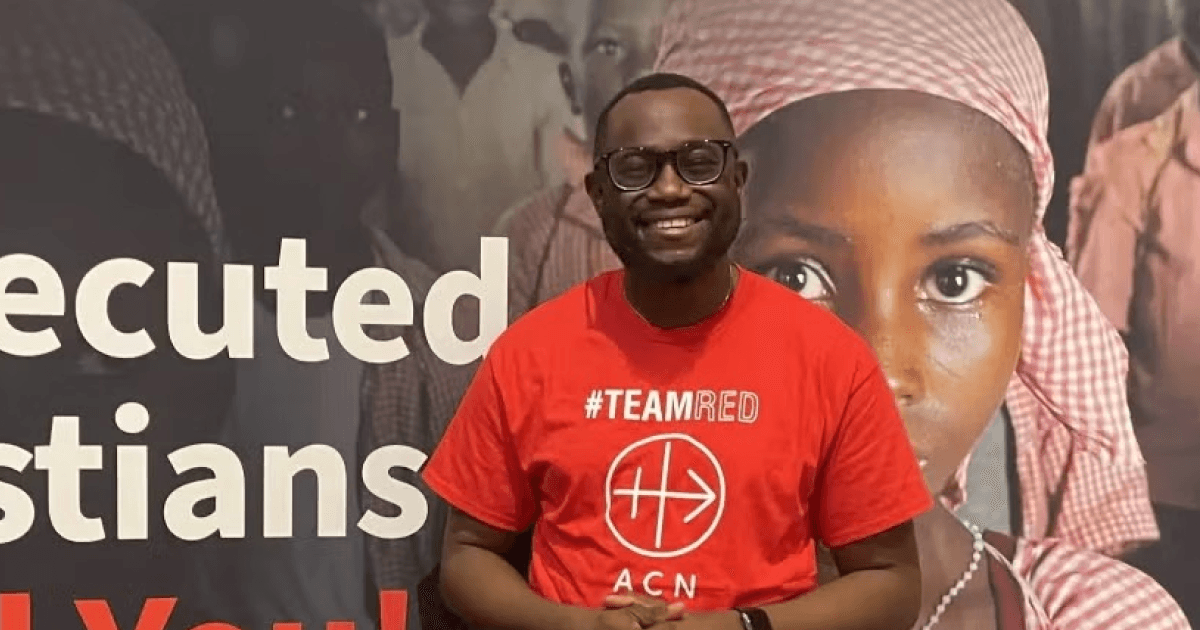 Newsroom
TikTok priest urges young people to stand with persecuted Christians
Nathalie Raffray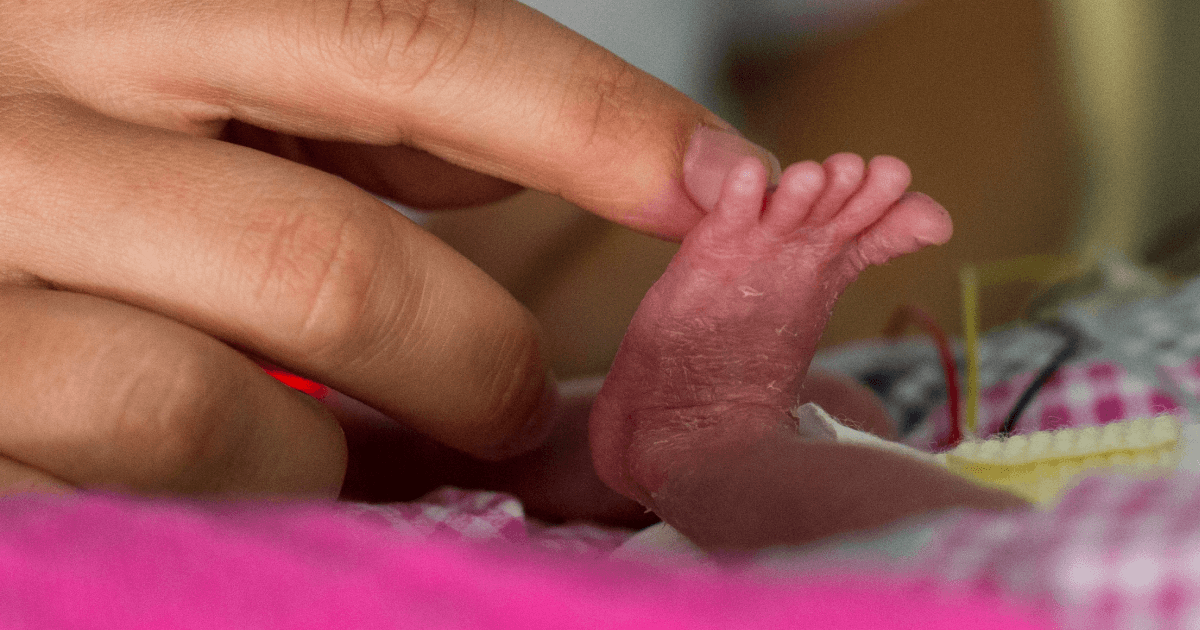 Newsroom
Baby born at 25 weeks reunites with neonatologist two years after leaving hospital
The Catholic Herald Newsroom
Joe Biden honoured by Planned Parenthood after defending abortion rights
Christine Rousselle
subscribe to the catholic herald today
Our best content is exclusively available to our subscribers. Subscribe today and gain instant access to expert analysis, in-depth articles, and thought-provoking insights—anytime, anywhere. Don’t miss out on the conversations that matter most.
Subscribe



