

Severe disabilities His name may not be the most politically correct among the beatified, but Blessed Herman the Cripple remains an extraordinary example of the Church’s special love for the disabled. He also wrote, according to traditional attribution, some of the most frequently sung music in Catholic history. Born in 1013, the son of a German count, Herman was paralysed, almost unable to speak, and suffered from a cleft palate and spina bifida. But he was mentally very quick, and so at age seven Herman went to live in a Benedictine house. The monks drew out Herman’s intellectual as well as spiritual gifts. Aged 20, Herman made his profession at the abbey on Reichenau Island, Lake Constance. Perseverance and will All his life he had to be carried around in a special chair. “His iron will,” says the Catholic Encyclopedia, “overcame all obstacles, and it was not long before his brilliant attainments made him a shining light in the most diversified branches of learning”. In philosophy and theology, but also mathematics, astronomy, music, Latin, Greek and Arabic, Herman became a renowned scholar. But he was not always in his study: his brothers knew him as a holy monk, his students as a loveable teacher. Polymathic genius His main scholarly achievement was a history of major events from the birth of Christ to the present day. It is known for its lucidity and historical precision, at a time when source material was hard to come by. He also wrote poems, and the Alma Redemptoris Mater and Salve Regina have both been attributed to his pen (hence the image here). Among his other works were treatises on music, maths and astronomy. Herman helped to bring mathematical knowledge (in which Arabic civilisation was well ahead) to Christendom. According to academics at the University of St Andrews, he introduced three new instruments – the astrolabe, a portable sundial and a quadrant with a cursor – into Europe. He died in 1054 and was beatified in 1863.
1:00 PM
Blessed of the week: Herman the Cripple (September 25)
Staff Reporter

2 min read



Already a subscriber? Sign in
5freearticles every month
Continue reading with a free account. No card needed.
- Five free articles every thirty days, on any device you sign in on
- The Catholic Herald newsletter, every morning
- Subscribe whenever you like for everything: every article and the magazine
Related articles
 Newsroom
Church leaders urge Drumcree dialogue: ‘Too much is at stake’
The Catholic and Church of Ireland Archbishops of Armagh have urged a renewed commitment to peace and reconciliation amid the Drumcree stand-off
Corrie Douglas-Young Newsroom
Thousands of Irish children to join global Rosary campaign
Corrie Douglas-Young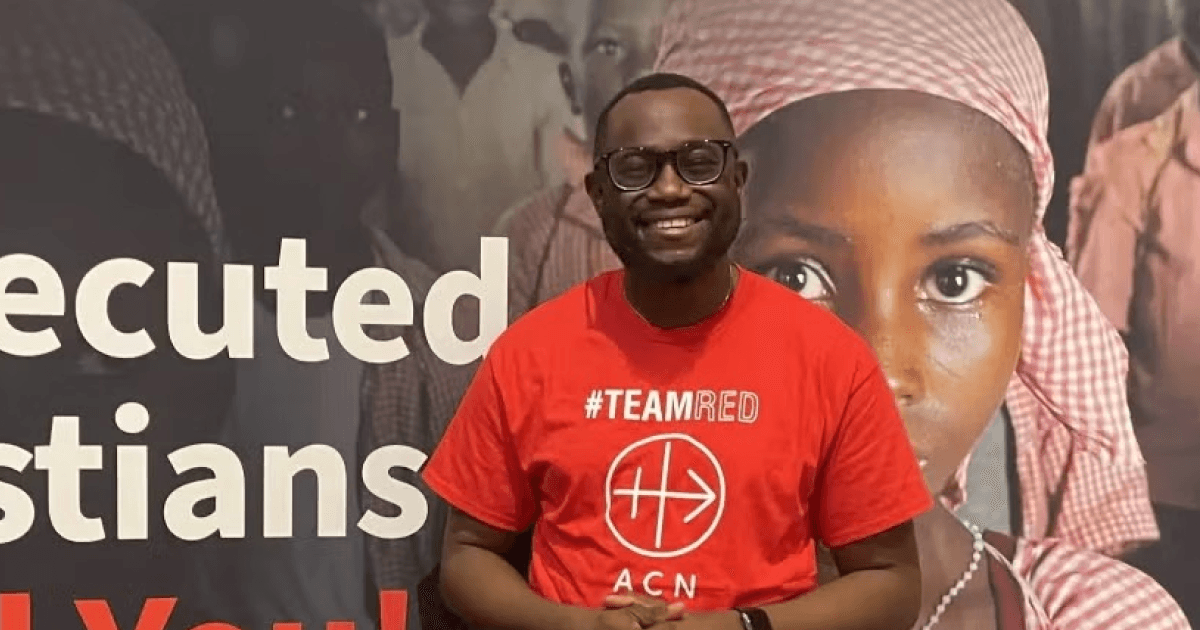 Newsroom
TikTok priest urges young people to stand with persecuted Christians
Nathalie Raffray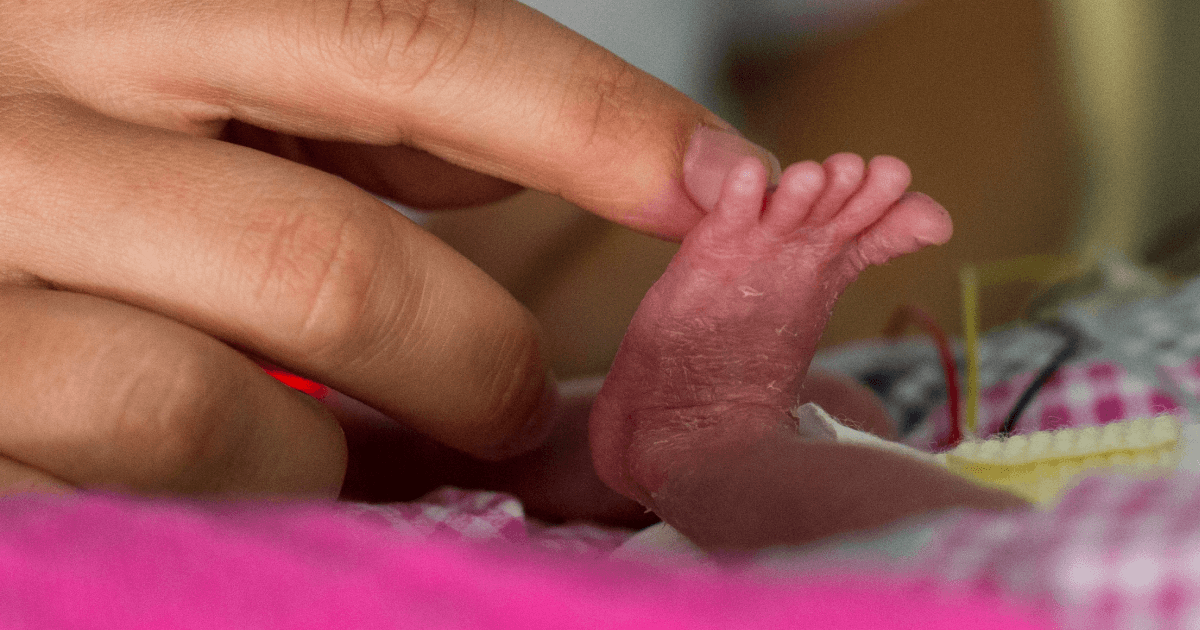 Newsroom
Baby born at 25 weeks reunites with neonatologist two years after leaving hospital
The Catholic Herald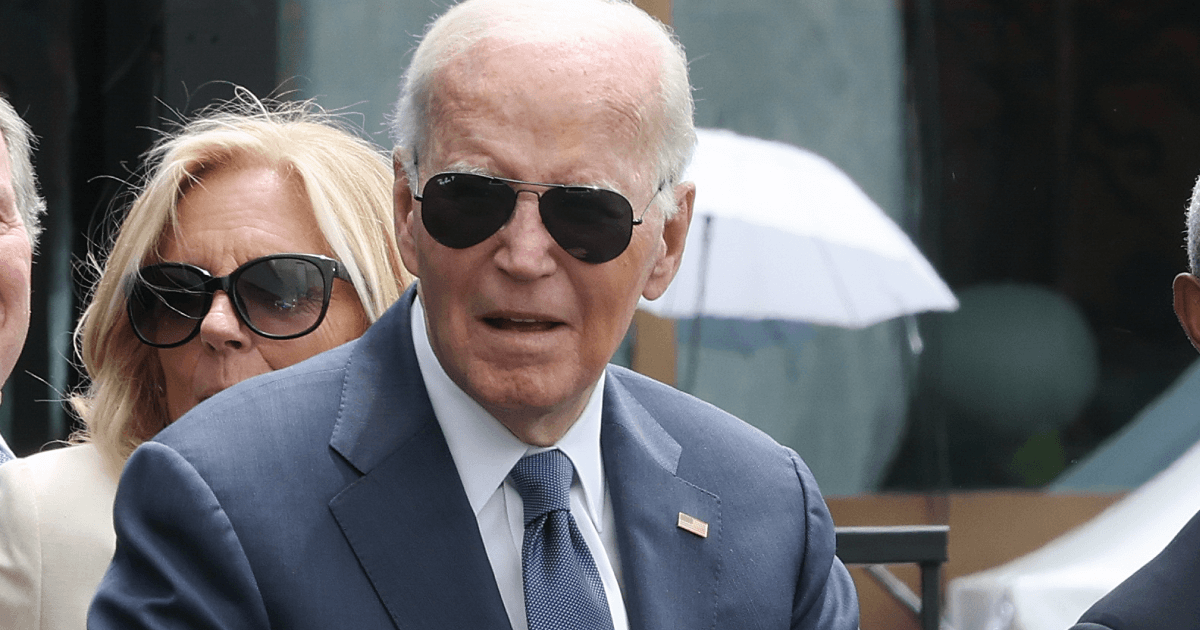 Newsroom
Joe Biden honoured by Planned Parenthood after defending abortion rights
Christine Rousselle
subscribe to the catholic herald today
Our best content is exclusively available to our subscribers. Subscribe today and gain instant access to expert analysis, in-depth articles, and thought-provoking insights—anytime, anywhere. Don’t miss out on the conversations that matter most.
Subscribe



