



As we all know, this coming year has been designated “The Year of Mercy” at the behest of Pope Francis. Many Catholics have become pretty wary of the word “mercy” – especially when it comes from the lips of the Holy Father in various off-the-cuff situations. That is a pity. The mercy of God, which we are enjoined this coming year to reflect, is a much larger and deeper concept than the glosses made of it in the blogosphere, either in support of the Holy Father or in protest against him. Why do I say this? Because I have just been reading a very thought-provoking booklet issued by the Catholic Truth Society for £2.50 (cheap at the price for all the nuggets of wisdom it contains), titled “Mercy Works: Practical Love for the 21st Century”. It is written by the popular American blogger and writer, Mark Shea, whose blogs I often follow on Patheos, simply because they are so good: humorous in a very American way; hard-hitting; seriously Catholic (Shea is a convert) and always provocative. It’s good to be provoked. So often, when one reads a Catholic book one is simply reassured: God is in his heaven and we have the Faith. Shea never stops there. Completely engaged with the Faith himself, his blogs are his apostolate: how to grapple with the hard sayings, leave one’s comfort zone (Catholics know all about comfort zones) and actually live the Gospel imperatives. He dedicates this booklet “To Pope Francis, a model and gift of mercy to the world”. Some people, as I inferred in my opening paragraph, won’t like this – but read on. Shea tackles all the corporal works of mercy that we used to rattle off from the Penny Catechism, such as “feeding the hungry, clothing the naked, visiting the sick, burying the dead” and so on. In a way they are the “easy” part, i.e. straightforward. Shea brings them up to date by suggesting we can fulfil some of these obligations to our Third World and refugee brothers and sisters through the Catholic aid agencies, which are listed at the back of the booklet. But we can also act on the corporal works closer to home. For example, under “Harbour the harbourless” he comments that “Spiritual homelessness in one’s own parish is endemic in the Church.” Indeed, he goes on to say that this is “the number one reason why ex-Catholics are ex-Catholics.” I know this from my own experience of lapsed Catholics and I am sure other readers will, too. It is too true to dispute. We must welcome the stranger at our parish doors: “If we cannot welcome the Catholic whom we have seen, how can we welcome the stranger whom we have not seen?” Shea says. But it is the spiritual works of mercy that are harder to grapple with. They include “To instruct the ignorant”, “To counsel the doubtful” “To admonish sinners” and “To bear wrongs patiently”. Shea is full if perceptive insights in this section. Instructing the ignorant is a “challenge” because “the ignorant usually don’t want our help. Ignorance and arrogance are always twins. The less you know, the more likely you are to be cocky about it.” Experience tells one this is so true also. Possibly with the present Synod in mind, Shea reminds us that Christ distinguishes between the office of teaching in the Church (the bishops) and the saints. The bishop’s task is to “hand down a body of doctrine that he doesn’t invent”, whereas “a saint teaches by personal moral authority.” Occasionally a bishop is also a saint, but it doesn’t happen often. “Admonishing the sinner” is often the hardest thing to do. As Shea points out, “Christ did it and it got him nailed to a cross”. He describes it as meaning “looking somebody in the eye...It means stating truly unpopular opinions, not to peers who share them but to enemies who don’t. It means the risk of losing friends, family, job and reputation... And in our post-Christian world, it means doing it in a grammar and terminology that members of our culture know, if at all, only in a sort of pidgin.” I could go on quoting from this thoughtful booklet but the best thing would be to order a copy and grapple with what Shea says. You will learn a lot more about the meaning of the word “mercy.” The artwork chosen for the cover, “Jesus washes Disciples’ feet”, 1995-96 by Dinah Roe Kendall graphically complements the text.
3:07 PM
Books blog: The book which will teach you what mercy really is
“Mercy Works: Practical Love for the 21st Century” is a must-read
Francis Phillips

4 min read



Already a subscriber? Sign in
5freearticles every month
Continue reading with a free account. No card needed.
- Five free articles every thirty days, on any device you sign in on
- The Catholic Herald newsletter, every morning
- Subscribe whenever you like for everything: every article and the magazine
Related articles
 Newsroom
Church leaders urge Drumcree dialogue: ‘Too much is at stake’
The Catholic and Church of Ireland Archbishops of Armagh have urged a renewed commitment to peace and reconciliation amid the Drumcree stand-off
Corrie Douglas-Young Newsroom
Thousands of Irish children to join global Rosary campaign
Corrie Douglas-Young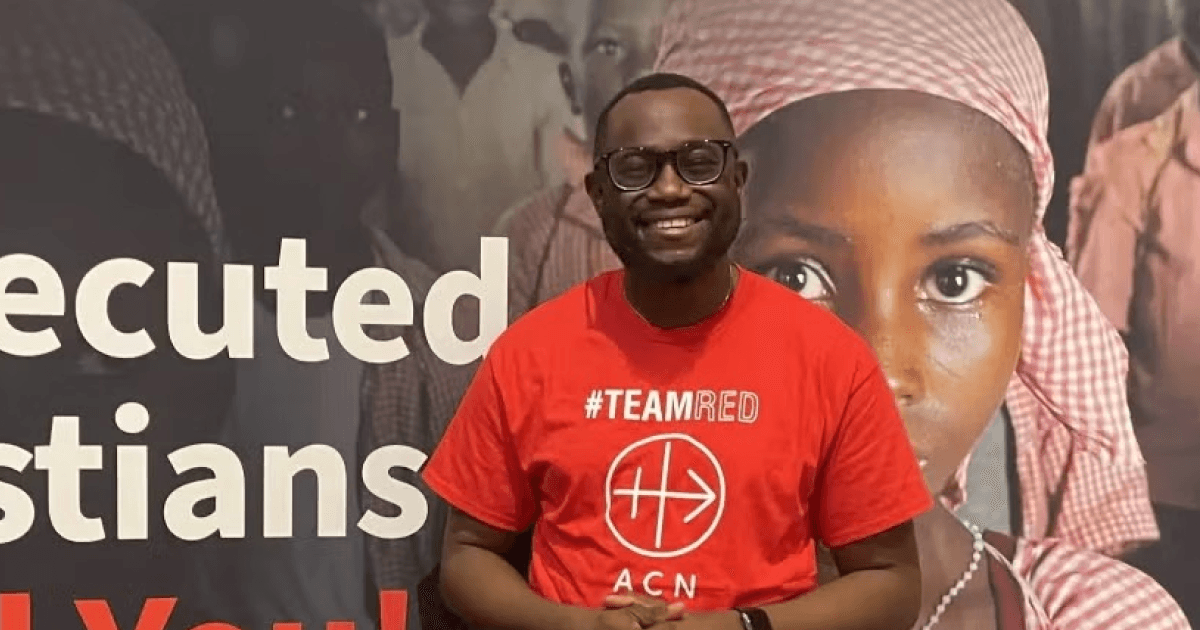 Newsroom
TikTok priest urges young people to stand with persecuted Christians
Nathalie Raffray Newsroom
Baby born at 25 weeks reunites with neonatologist two years after leaving hospital
The Catholic Herald Newsroom
Joe Biden honoured by Planned Parenthood after defending abortion rights
Christine Rousselle
subscribe to the catholic herald today
Our best content is exclusively available to our subscribers. Subscribe today and gain instant access to expert analysis, in-depth articles, and thought-provoking insights—anytime, anywhere. Don’t miss out on the conversations that matter most.
Subscribe



