


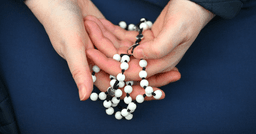
The High Court has upheld a ban on pro-life vigils outside abortion clinics On October 20 last year, Kevin Bigg, a homeless man, was sitting in a small park by Hardwicke Circus, Carlisle. A child who was passing threw a couple of pound coins into Bigg’s sleeping bag. Unfortunately for Bigg, he had been warned by police not to beg in the area. He claimed he had not been begging, just sitting there. But along with three other incidents, the court ruled that he had been begging. He was fined £105. The reason for this dates back to 2014, when the Coalition government came up with a new measure. Public Space Protection Orders (PSPOs) allow councils to criminalise activities within a certain space. Like ASBOs, which preceded them, PSPOs give power to councils to address specific issues, making new rules which, if you break them, could land you with a fine or prison sentence. But while ASBOs were directed against individuals – they criminalised a farmer whose geese were running riot, a teenager playing football in the street, a woman who was playing her Glenn Miller records at deafening volumes – PSPOs make certain activities illegal, whoever you are, if they happen in a particular area: begging, dog-walking, certain forms of street advertising. And, it now appears, holding the wrong opinions. On Monday, the High Court upheld Ealing Council’s PSPO banning pro-life vigils within 100 metres (330 feet) of an abortion clinic in the west London borough. The vigils were fairly simple affairs: people saying the rosary, or handing out leaflets explaining the help that was available. A small but significant minority of women took up the help, dropped the idea of an abortion, and now have babies. It may have been partly the success of the vigils which angered pro-abortion activists. And Ealing was a test case for banning pro-lifers. The Home Office is currently looking into prohibiting such vigils – a measure publicly supported by more than 100 MPs including Jeremy Corbyn. The High Court’s decision will encourage pro-abortion activists, and could embolden councils who are considering following Ealing’s lead. But there could be a legal challenge at the Court of Appeal, given the implications for freedom of expression and freedom of assembly. Those implications have been highlighted by civil liberties groups. In May, the Manifesto Club, Big Brother Watch, Index on Censorship, the Freedom Association and the activist Peter Tatchell co-authored a letter to councils that might ban vigils near abortion clinics. The campaigners observed that harassment is already against the law. The Ealing PSPO stopped people around the clinic from “engaging in any act of approval/disapproval … with respect to issues related to abortion services”. The trouble is, as the letter pointed out, that Ealing Council had ignored the “distinction between activities causing objective nuisance or harm, and activities with which people disagree, or that they find disagreeable”. Since there was no compelling evidence of harassment or obviously anti-social behaviour from the vigils, the council had to criminalise something as vague as “approval”. The precedent it sets is alarming. Could councils criminalise any expression of opinion – against an arms fair, an unethical company with a branch on the high street, or indeed a council? At the time of going to press, the High Court had not yet said whether an appeal would be permitted. But PSPOs look increasingly like a blunt instrument whose shortcomings will, at some stage, have to be addressed by the courts.
1:00 PM
Britain: Buffer zones
Dan Hitchens

3 min read



Already a subscriber? Sign in
5freearticles every month
Continue reading with a free account. No card needed.
- Five free articles every thirty days, on any device you sign in on
- The Catholic Herald newsletter, every morning
- Subscribe whenever you like for everything: every article and the magazine
Related articles
 Newsroom
Church leaders urge Drumcree dialogue: ‘Too much is at stake’
The Catholic and Church of Ireland Archbishops of Armagh have urged a renewed commitment to peace and reconciliation amid the Drumcree stand-off
Corrie Douglas-Young Newsroom
Thousands of Irish children to join global Rosary campaign
Corrie Douglas-Young Newsroom
TikTok priest urges young people to stand with persecuted Christians
Nathalie Raffray Newsroom
Baby born at 25 weeks reunites with neonatologist two years after leaving hospital
The Catholic Herald Newsroom
Joe Biden honoured by Planned Parenthood after defending abortion rights
Christine Rousselle
subscribe to the catholic herald today
Our best content is exclusively available to our subscribers. Subscribe today and gain instant access to expert analysis, in-depth articles, and thought-provoking insights—anytime, anywhere. Don’t miss out on the conversations that matter most.
Subscribe



