January 28, 2026
January 28, 2026

“The Pope is not a Führer”: Cardinal Müller on ultramontanism

Min read
share

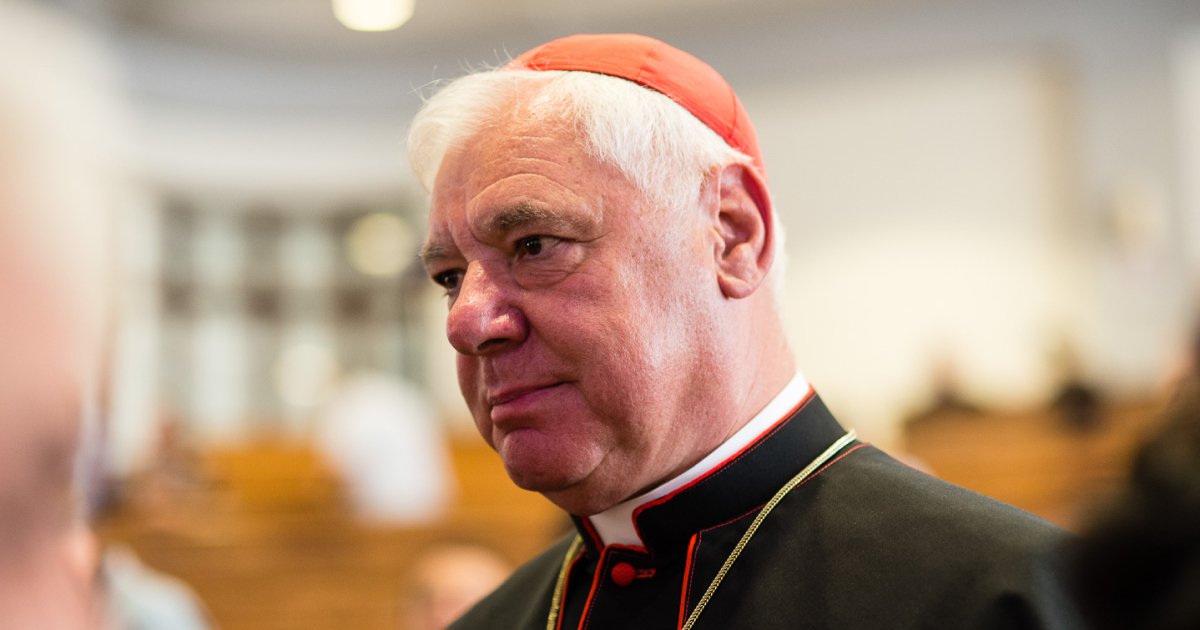
A leading cardinal and former secretary of the Roman Curia has spoken to the Catholic Herald about the state of the Church, the role of the papacy, and how Catholics should approach authority.

Cardinal Gerhard Ludwig Müller, prefect emeritus of the Congregation for the Doctrine of the Faith, described the veneration of the private and political opinions of the late Pope Francis as a “heresy” and said that criticising it was his “duty”. The German prelate insisted that Catholics should not fall into a heretical leaning spiritual posture known as “ultramontanism”, which exaggerates the role and doctrines surrounding the papacy, and said they should remain conscious of the historical context in which such attitudes emerged in the 19th century.

When asked whether he had noticed a conspicuous excess of Pope Francis memorabilia in tourist shops along the Via della Consolazione in front of the Vatican, compared with Pope Benedict XVI, and whether a poltergeist of the former pontiff lingered over proceedings at the Extraordinary Consistory in early January, Cardinal Müller said that both were true and voiced his disapproval.

“It is my duty to criticise this cult of personality,” he said. “It has nothing to do with the Catholic Church… Some of his [Pope Francis’] friends spoke about a ‘new Church’. For me, this is a heresy. To speak of the ‘Church of Francis’.”

“The ‘Church of Benedict’ doesn’t exist,” Cardinal Müller said.

“It is a criticism of Protestants that we have made the Pope the second God,” he continued. Cardinal Müller warned that “now, five hundred years later”, some Catholics, through their lack of restraint, vindicate such Protestant critics.

“It has always been understood that the Pope is a bishop among other bishops but with a special [charism] that he, the Bishop of Rome, is the personal successor of Saint Peter and a principle of unity of the Church, not a unity made by man but a unity given by the Faith, by Jesus Christ, and the revealed truth.”

“And the Pope has a very good title, given by Pope St Gregory I, servus servorum Dei, servant of the servants of God,” he added, emphasising that the Pope is not an absolute monarch unbound by limits or restraints.

“He is the First Servant of the Church, with a special role but we do not have a pope centred Church. In the diocese we do not have a bishop centred Church. And in the parish we do not have a parish priest centred Church. They have to lead the people but they cannot give grace. They are instruments of grace.”

Cardinal Müller suggested that Pope Emeritus Benedict XVI may have been “too intellectual” to attract comparable popular adulation, but urged Catholics to listen to and read him if they wish to understand why exaggerated attitudes towards the papacy are misguided.

“He [Pope Benedict] criticised how beginning in the 19th century there developed a certain pope cult. It has to do with mass media. We have to avoid it. The Pope is not a Führer.”

Cardinal Müller further warned against behaviours that entrench this distorted approach to the papacy.

“When he is going [along] in his car in Saint Peter’s Square, he is not a Caesar. He is there rather to give a blessing to everyone in the name of Jesus Christ, and not because [crowds and tourists] want to have a picture with the Pope.”

Cardinal Müller said that the fact Benedict “spoke so much about the Truth and the transcendence of the Church” may have alienated him and made him enemies, but argued that this emphasis was essential. He added that treating the Pope as a celebrity reflects a disordered hierarchy of priorities, which should instead place Jesus Christ at the centre.

“When he is entering St Peter’s Basilica, everyone is taking a photo of him. No, they should be making a sign of the cross as they are blessed. That is a problem,” he said.

“For the Holy Year, we had nearly 40 million pilgrims and tourists, and this number is nothing if they have not contact with Jesus Christ, contact with the conversion of their life.”

Online, in the media, and in academia, there are often well meaning defenders of the papacy who seek to justify and treat as sacrosanct every word and action of a reigning or former pope. In the English speaking world, they are sometimes known colloquially as “popesplainers”, a label they may or may not embrace. Cardinal Müller agreed that such figures are mistakenly perpetuating the legacy of ultramontanism, a reactionary movement that originated in France, where the role of the papacy had previously been under emphasised and subsequently exaggerated.

To correct this tendency, Cardinal Müller said Catholics need a better understanding of history and must recognise the precarious context in which the pope cult emerged.

“There was a Kulturkampf [culture war], in Italy and in Germany, before the great atheistic dictators of the 20th century, carried out by Bismarck and so forth. They were big enemies of the Catholic Church. In France you had the so-called separation of the Church and State.”

“It’s not a separation of the Church from the state,” he said, “but is the suppression of the rights of the Church and her freedom until now. We have to criticise this concept, where non Christian and anti Christian ideologies are present in public life and the State, and only what is excluded is the Christian standpoint.”

“That is absolutely wrong,” Cardinal Müller added. “Therefore, Catholics, to defend the Pope, developed a certain pope cult.”

“It was an exaggeration that says every private meaning of the Pope is a dogma or is an interpretation of the revealed truth,” he said. “Until the times of Francis, when some people spoke, with a not very deep understanding, of the ‘doctrine of Pope Francis’. There is no doctrine of Francis, there is only the doctrine of the Church, which may be expressed by the Pope.”
A leading cardinal and former secretary of the Roman Curia has spoken to the Catholic Herald about the state of the Church, the role of the papacy, and how Catholics should approach authority.

Cardinal Gerhard Ludwig Müller, prefect emeritus of the Congregation for the Doctrine of the Faith, described the veneration of the private and political opinions of the late Pope Francis as a “heresy” and said that criticising it was his “duty”. The German prelate insisted that Catholics should not fall into a heretical leaning spiritual posture known as “ultramontanism”, which exaggerates the role and doctrines surrounding the papacy, and said they should remain conscious of the historical context in which such attitudes emerged in the 19th century.

When asked whether he had noticed a conspicuous excess of Pope Francis memorabilia in tourist shops along the Via della Consolazione in front of the Vatican, compared with Pope Benedict XVI, and whether a poltergeist of the former pontiff lingered over proceedings at the Extraordinary Consistory in early January, Cardinal Müller said that both were true and voiced his disapproval.

“It is my duty to criticise this cult of personality,” he said. “It has nothing to do with the Catholic Church… Some of his [Pope Francis’] friends spoke about a ‘new Church’. For me, this is a heresy. To speak of the ‘Church of Francis’.”

“The ‘Church of Benedict’ doesn’t exist,” Cardinal Müller said.

“It is a criticism of Protestants that we have made the Pope the second God,” he continued. Cardinal Müller warned that “now, five hundred years later”, some Catholics, through their lack of restraint, vindicate such Protestant critics.

“It has always been understood that the Pope is a bishop among other bishops but with a special [charism] that he, the Bishop of Rome, is the personal successor of Saint Peter and a principle of unity of the Church, not a unity made by man but a unity given by the Faith, by Jesus Christ, and the revealed truth.”

“And the Pope has a very good title, given by Pope St Gregory I, servus servorum Dei, servant of the servants of God,” he added, emphasising that the Pope is not an absolute monarch unbound by limits or restraints.

“He is the First Servant of the Church, with a special role but we do not have a pope centred Church. In the diocese we do not have a bishop centred Church. And in the parish we do not have a parish priest centred Church. They have to lead the people but they cannot give grace. They are instruments of grace.”

Cardinal Müller suggested that Pope Emeritus Benedict XVI may have been “too intellectual” to attract comparable popular adulation, but urged Catholics to listen to and read him if they wish to understand why exaggerated attitudes towards the papacy are misguided.

“He [Pope Benedict] criticised how beginning in the 19th century there developed a certain pope cult. It has to do with mass media. We have to avoid it. The Pope is not a Führer.”

Cardinal Müller further warned against behaviours that entrench this distorted approach to the papacy.

“When he is going [along] in his car in Saint Peter’s Square, he is not a Caesar. He is there rather to give a blessing to everyone in the name of Jesus Christ, and not because [crowds and tourists] want to have a picture with the Pope.”

Cardinal Müller said that the fact Benedict “spoke so much about the Truth and the transcendence of the Church” may have alienated him and made him enemies, but argued that this emphasis was essential. He added that treating the Pope as a celebrity reflects a disordered hierarchy of priorities, which should instead place Jesus Christ at the centre.

“When he is entering St Peter’s Basilica, everyone is taking a photo of him. No, they should be making a sign of the cross as they are blessed. That is a problem,” he said.

“For the Holy Year, we had nearly 40 million pilgrims and tourists, and this number is nothing if they have not contact with Jesus Christ, contact with the conversion of their life.”

Online, in the media, and in academia, there are often well meaning defenders of the papacy who seek to justify and treat as sacrosanct every word and action of a reigning or former pope. In the English speaking world, they are sometimes known colloquially as “popesplainers”, a label they may or may not embrace. Cardinal Müller agreed that such figures are mistakenly perpetuating the legacy of ultramontanism, a reactionary movement that originated in France, where the role of the papacy had previously been under emphasised and subsequently exaggerated.

To correct this tendency, Cardinal Müller said Catholics need a better understanding of history and must recognise the precarious context in which the pope cult emerged.

“There was a Kulturkampf [culture war], in Italy and in Germany, before the great atheistic dictators of the 20th century, carried out by Bismarck and so forth. They were big enemies of the Catholic Church. In France you had the so-called separation of the Church and State.”

“It’s not a separation of the Church from the state,” he said, “but is the suppression of the rights of the Church and her freedom until now. We have to criticise this concept, where non Christian and anti Christian ideologies are present in public life and the State, and only what is excluded is the Christian standpoint.”

“That is absolutely wrong,” Cardinal Müller added. “Therefore, Catholics, to defend the Pope, developed a certain pope cult.”

“It was an exaggeration that says every private meaning of the Pope is a dogma or is an interpretation of the revealed truth,” he said. “Until the times of Francis, when some people spoke, with a not very deep understanding, of the ‘doctrine of Pope Francis’. There is no doctrine of Francis, there is only the doctrine of the Church, which may be expressed by the Pope.”

subscribe to
the catholic herald

Continue reading your article with a subscription.
Read 5 articles with our free plan.
Subscribe
share

subscribe to the catholic herald today

Our best content is exclusively available to our subscribers. Subscribe today and gain instant access to expert analysis, in-depth articles, and thought-provoking insights—anytime, anywhere. Don’t miss out on the conversations that matter most.
Subscribe