


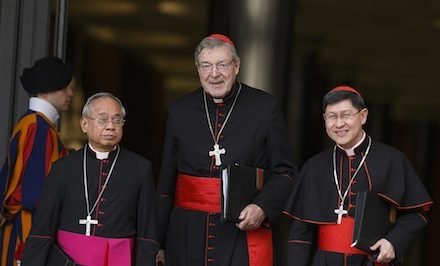
Reform of Vatican finances should lead to a Church that is not "sloppy or inefficient" with its money, Cardinal George Pell has said. A month after unveiling a "new economic framework for the Holy See," including a host of changes to the Vatican's financial structures, the cardinal discussed the meaning of those reforms and the challenges to their implementation in an interview with Catholic News Service (CNS). Pope Francis wants a "poor Church for the poor," but that "doesn't necessarily mean a Church with empty coffers," said Cardinal George Pell, "and it certainly doesn't mean a Church that is sloppy or inefficient or open to being robbed." "We're attempting to put into place the best available set of management practices. There are international standards for accounting and money management. It wasn't as though there was nothing here; there obviously was. The Holy See has very significant financial strengths. But all the appropriate, prudential systems and procedures that are acceptable across the world, we're introducing here," he continued. "What might be some of those things? Regular audits: Before the end of the year we hope to appoint an auditor who'll be completely independent here and to whom anybody can have recourse. We're clarifying even further what I believe they call the 'four eyes' principle, so that any significant piece of business cannot be conducted only by one person. "We will be streamlining and improving budget procedures, we hope returning, within financial parameters, a whole lot of authority to the different congregations and councils. None of this is rocket science but we're very well aware that when people donate to the Church they expect the money to be used wisely, for good purposes." Cardinal Pell, a former archbishop of Sydney who the Pope named in February to the new office of prefect of the Secretariat for the Economy, spoke to CNS about a range of issues, including Vatican financial scandals; the need for more transparency, "checks and balances" and oversight by laypeople; efforts to internationalise the Vatican bureaucracy while reducing its overall size; and the relative importance of his own role in the Church's central administration, the Roman Curia. The cardinal, who sits on the nine-member Council of Cardinals advising Pope Francis on reform of the Curia and governance of the universal Church, also spoke more generally about what the Church can learn from, and teach to, organisations in the secular world. The interview took place on August 5 in the cardinal's office in St John's Tower in Vatican City. For a full transcript of the interview, go here.
12:43 PM
Cardinal Pell: Vatican must not be sloppy with its finances
Cardinal gives interview after unveiling a new economic framework for the Holy See
Francis X Rocca

4 min read



Already a subscriber? Sign in
5freearticles every month
Continue reading with a free account. No card needed.
- Five free articles every thirty days, on any device you sign in on
- The Catholic Herald newsletter, every morning
- Subscribe whenever you like for everything: every article and the magazine
Related articles
 Newsroom
Church leaders urge Drumcree dialogue: ‘Too much is at stake’
The Catholic and Church of Ireland Archbishops of Armagh have urged a renewed commitment to peace and reconciliation amid the Drumcree stand-off
Corrie Douglas-Young Newsroom
Thousands of Irish children to join global Rosary campaign
Corrie Douglas-Young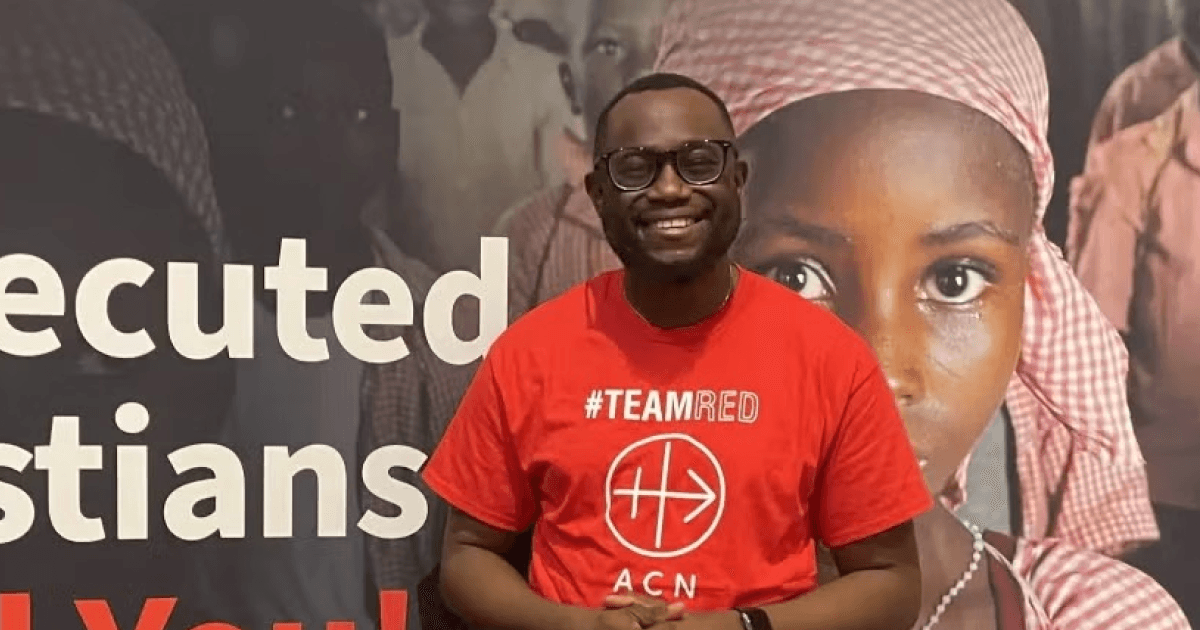 Newsroom
TikTok priest urges young people to stand with persecuted Christians
Nathalie Raffray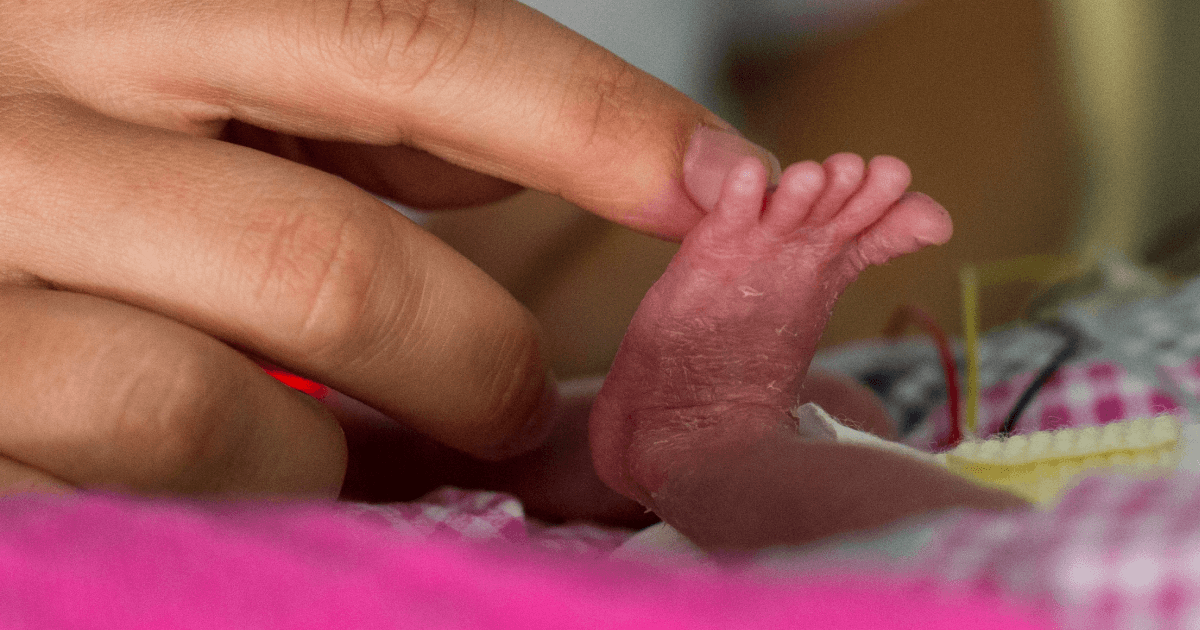 Newsroom
Baby born at 25 weeks reunites with neonatologist two years after leaving hospital
The Catholic Herald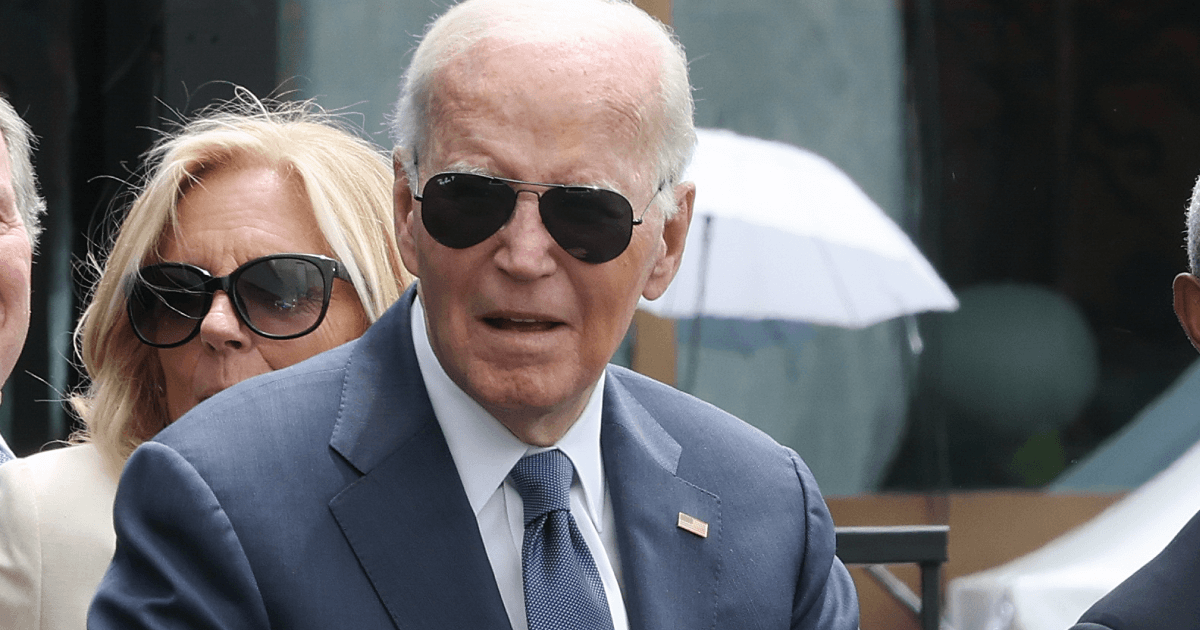 Newsroom
Joe Biden honoured by Planned Parenthood after defending abortion rights
Christine Rousselle
subscribe to the catholic herald today
Our best content is exclusively available to our subscribers. Subscribe today and gain instant access to expert analysis, in-depth articles, and thought-provoking insights—anytime, anywhere. Don’t miss out on the conversations that matter most.
Subscribe



