


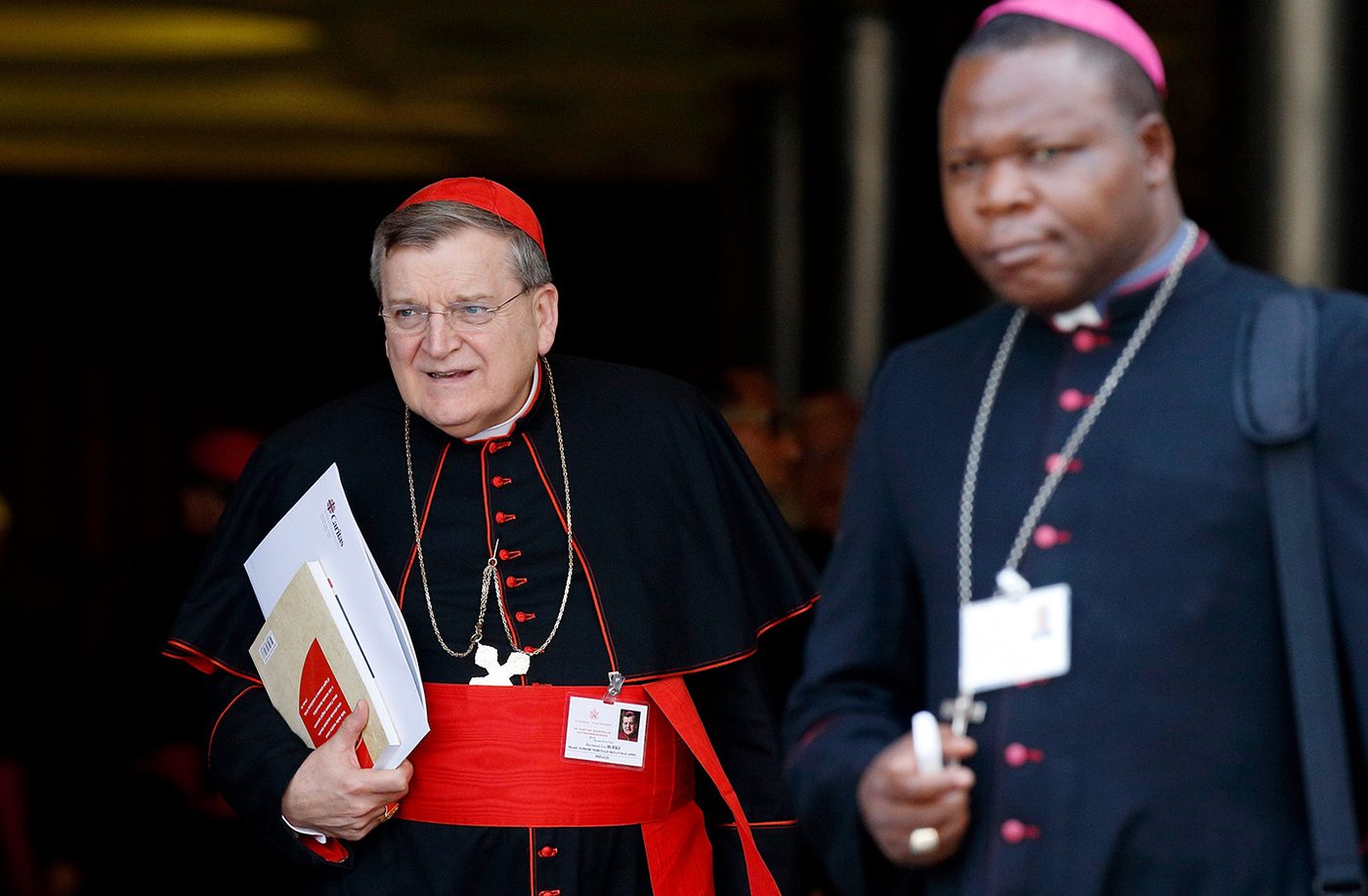
Cardinal Raymond Burke has said that if the family synod opened the way for divorced and remarried Catholics to receive Holy Communion then it has “departed from Catholic teaching in a very fundamental matter”. The cardinal, patron of the Sovereign Military Order of Malta, made the comments in an interview with Mass of Ages, the quarterly magazine of the Latin Mass Society. He cited a recent article by Fr Antonio Spadaro, editor of the Jesuit journal La Civiltà Cattolica, which said the synod had “laid the foundations” for remarried Catholics to be admitted to Communion. Fr Spadaro, said Cardinal Burke, “goes through this whole confused argument about a ‘penitential way’ and ‘internal forum solution’ to say that now the way is open for all this. So I believe that Catholics should be very concerned.” Cardinal Burke said: “If, in fact, the synod is taking this position, then it has departed from Catholic teaching in a very fundamental matter. The teaching of the indissolubility of marriage is based on the very words of Our Lord in the Gospel.” The cardinal was asked by the interviewer what concerned Catholics should do. “I think Catholics should simply say: ‘I cannot accept this teaching as it goes against what the Church has always taught and practised.’ “I don’t think Catholics should permit themselves to be driven away from the Church by those who are not upholding the Church’s teaching.” The cardinal describes that Pope Francis’s annulment reform as from Church practice. The cardinal, a leading canon lawyer and former prefect of the Apostolic Signatura, the highest judicial authority in the Church after the pope, said: “The reforms are a radical departure from what has been the consistent practice with regard to the examination of a claim of nullity of marriage.” He said also bishops should not be asked to judge marriage nullity cases, as will be the case under Pope Francis’s reforms. “Many bishops are not canon lawyers and there is nothing wrong with that, but they shouldn’t be asked to do things they haven’t been prepared to do,” he said. The cardinal said he was “not an enemy of the Pope and never will be”, explaining: “You won’t find a single statement of mine in which I am speaking against the Holy Father. I just don’t do that.” But he suggested that Pope Francis’s liking for language that was “unusual, colloquial and catchy” at times led to confusion. “The danger of it is that because of who he is, the Supreme Pontiff and Bishop of the Universal Church, this language can be taken and used against the Church. This is certainly not the Holy Father’s intention. “So, I think perhaps that’s one thing – and people have pointed this out to him – where he could be more attentive to resist that desire to speak in this way as it does cause confusion.” As examples, Cardinal Burke cited the famous phrase “Who am I to judge”, which he said had been “misused to insinuate that the Church’s teaching had changed”, and the Pope’s speech about the spiritual ailments of the Curia, used by anti-Catholic groups to show how “sick and corrupt the Church is”.
2:00 PM
Cardinal: synod didn’t back Communion move
Staff writers

5 min read



Already a subscriber? Sign in
5freearticles every month
Continue reading with a free account. No card needed.
- Five free articles every thirty days, on any device you sign in on
- The Catholic Herald newsletter, every morning
- Subscribe whenever you like for everything: every article and the magazine
Related articles
 Newsroom
Church leaders urge Drumcree dialogue: ‘Too much is at stake’
The Catholic and Church of Ireland Archbishops of Armagh have urged a renewed commitment to peace and reconciliation amid the Drumcree stand-off
Corrie Douglas-Young Newsroom
Thousands of Irish children to join global Rosary campaign
Corrie Douglas-Young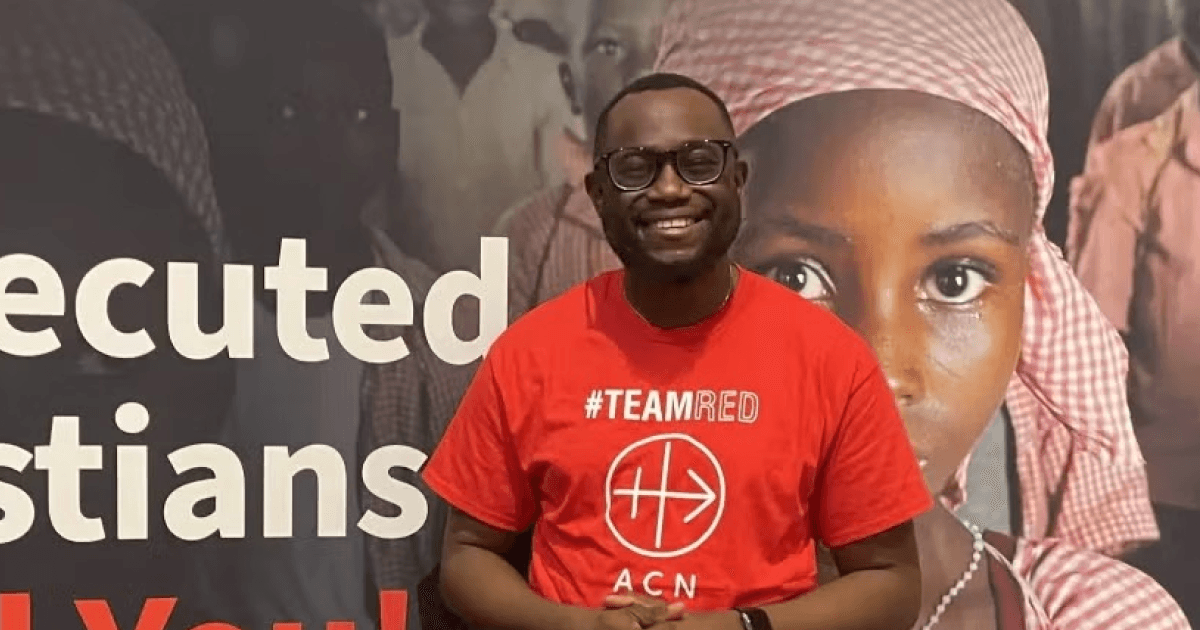 Newsroom
TikTok priest urges young people to stand with persecuted Christians
Nathalie Raffray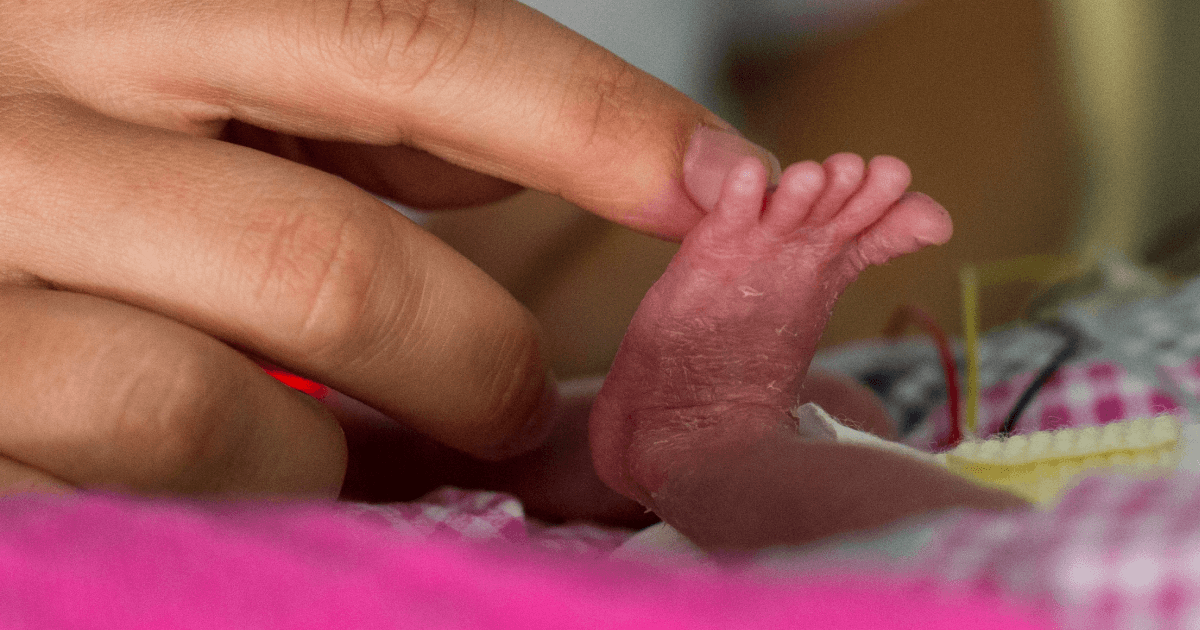 Newsroom
Baby born at 25 weeks reunites with neonatologist two years after leaving hospital
The Catholic Herald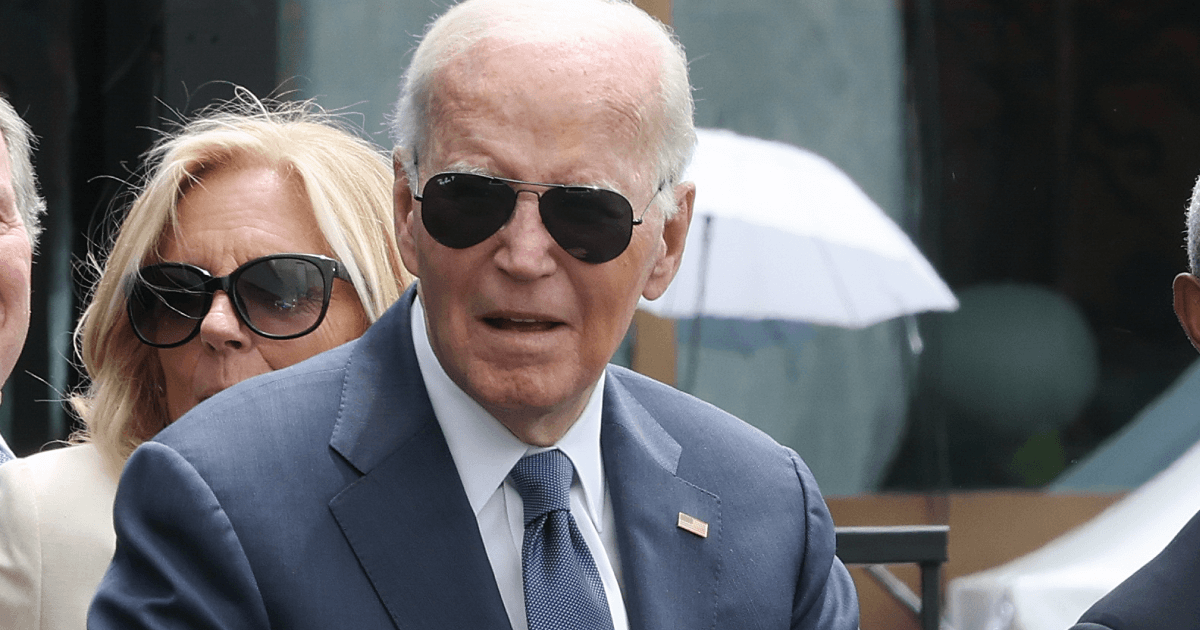 Newsroom
Joe Biden honoured by Planned Parenthood after defending abortion rights
Christine Rousselle
subscribe to the catholic herald today
Our best content is exclusively available to our subscribers. Subscribe today and gain instant access to expert analysis, in-depth articles, and thought-provoking insights—anytime, anywhere. Don’t miss out on the conversations that matter most.
Subscribe



