

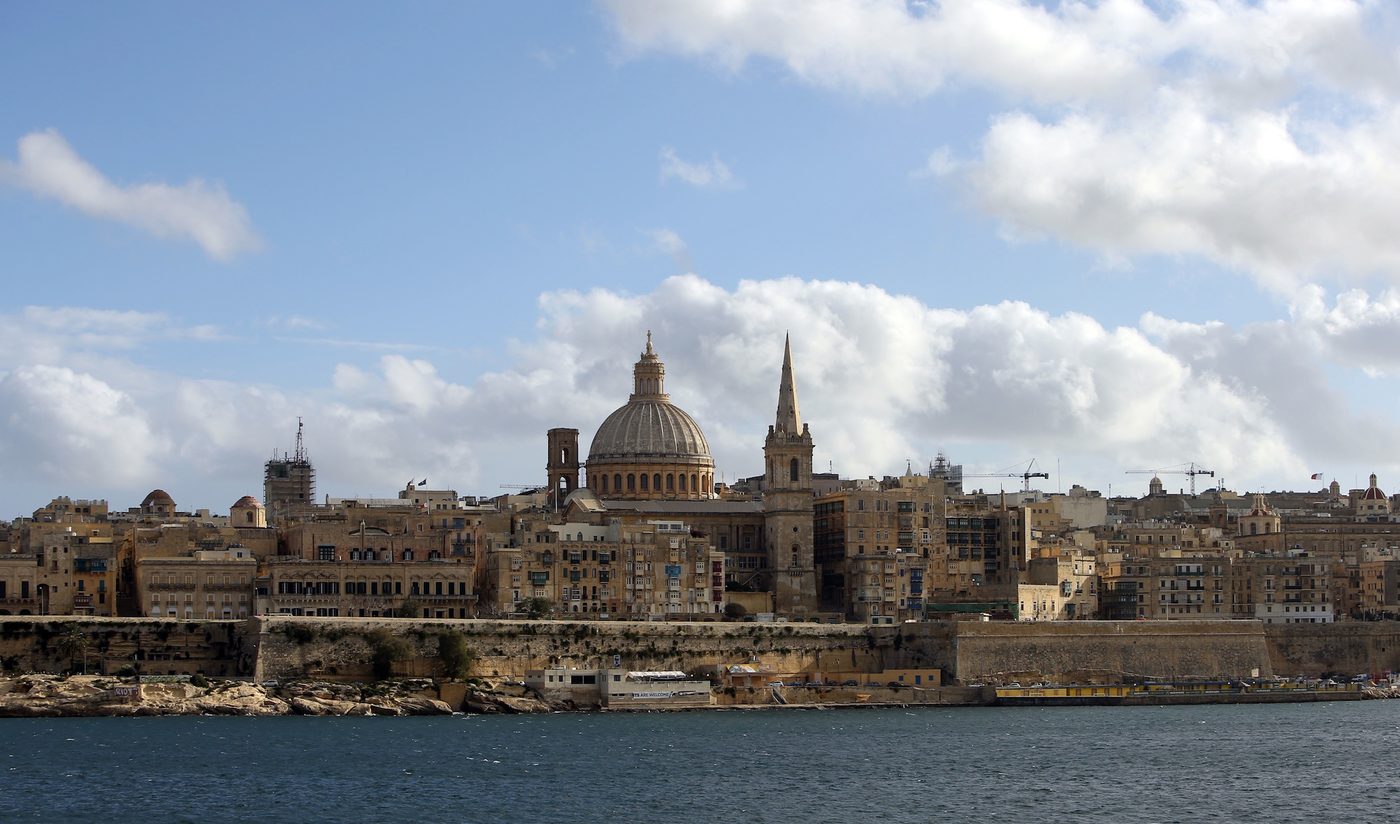
The news that Malta has legalised gay marriage – an event that coincidentally took place while I was visiting the island – has been interpreted by some as a sign of the collapse of Maltese Catholicism. But things are not a simple as that. It is absolutely true that the Maltese bishops opposed the change; however, not for the first time, the bishops found themselves on the losing side. Back in 2011, they opposed the introduction of divorce, which was passed, though by a relatively narrow margin. But those with longer memories may well remember that the Church also opposed integration with Britain back in 1956, though that passed with a huge majority. In addition, the Church had fallings out with the then Prime Minister Dom Mintoff as well as an earlier Prime Minister, Lord Strickland. The condemnations from the pulpits of both Strickland and Mintoff were largely counterproductive, and seem almost quaint by today’s standards. While the British colonial authorities treated the Catholic Church with the greatest respect, recognising it as a power in the land that had to be kept onside, this does not mean to say that the Church’s role in politics was ever as decisive as the British, or even perhaps the Church, might have liked to imagine. Indeed, those who see the Church as a political power, or who see a Catholic country as a political monolith, or simply, as the Independent would have it, “conservative”, are perhaps betraying a lack of understanding of how Catholicism works. The recent legalisation of gay marriage should be seen in the context of the political duel between the ruling Labour Party and the Nationalist Party opposition. Labour, before the recent election, made a manifesto pledge on gay marriage, and the Nationalists did the same, walking into as trap set for them by Labour. The Nationalists consequently voted for gay marriage in a whipped vote (with one honourable exception) and this may well do the party lasting damage, ensuring a split between its Christian Democrat wing and its libertarian free market wing. Malta’s Labour Prime Minister, Joseph Muscat, has not only survived all the Opposition could throw at him, but come out of last month’s election with an enlarged majority. Now, in the first act of the new legislature, he has effectively destroyed the unity of the opposition. None of this political manoeuvring can detract, of course, from the fact that the influence of the Church in Malta is in decline. Yet, this too needs to be viewed in a nuanced way. It is clear that in Malta, as in Ireland and other places, many Catholics simply do not ‘get’ the reason they ought to oppose same sex marriage. The Maltese marriage law ought to enable Catholics to think about this matter more clearly, for it makes some important changes to marriage per se. As the report in the Independent relates:
6:09 PM
Catholic Malta legalises gay marriage - how did it happen?
The Maltese Church needs to re-examine how it deals with change and political challenges
Fr Alexander Lucie-Smith

5 min read



Already a subscriber? Sign in
5freearticles every month
Continue reading with a free account. No card needed.
- Five free articles every thirty days, on any device you sign in on
- The Catholic Herald newsletter, every morning
- Subscribe whenever you like for everything: every article and the magazine
Related articles
 Newsroom
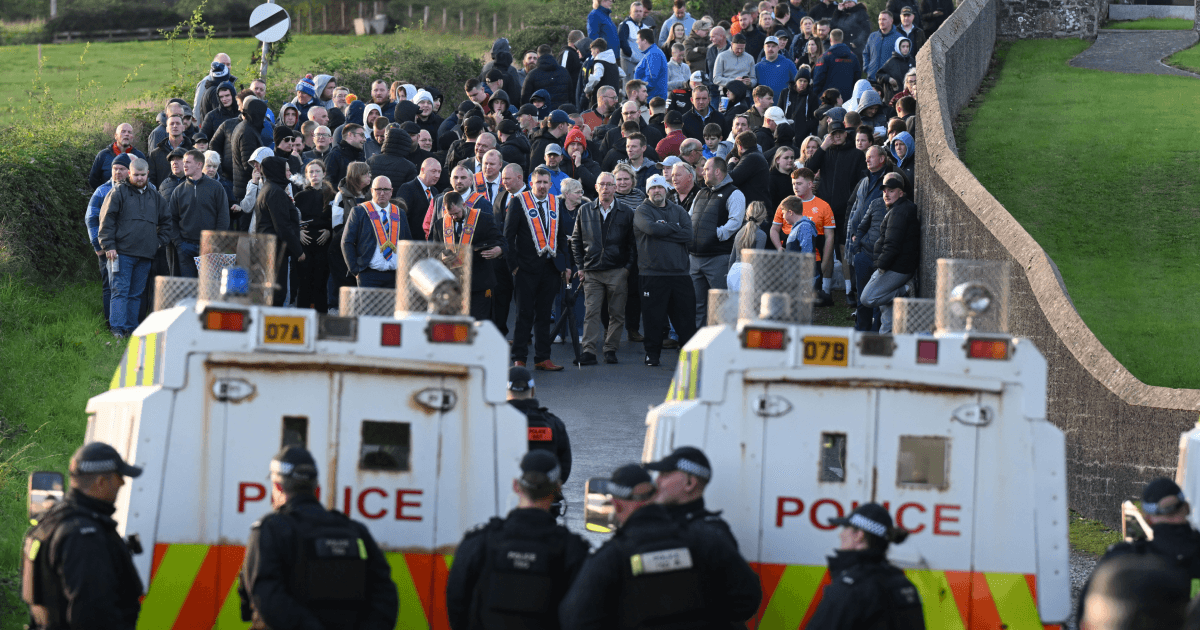
Church leaders urge Drumcree dialogue: ‘Too much is at stake’
The Catholic and Church of Ireland Archbishops of Armagh have urged a renewed commitment to peace and reconciliation amid the Drumcree stand-off
Corrie Douglas-Young Newsroom
Thousands of Irish children to join global Rosary campaign
Corrie Douglas-Young Newsroom
TikTok priest urges young people to stand with persecuted Christians
Nathalie Raffray Newsroom
Baby born at 25 weeks reunites with neonatologist two years after leaving hospital
The Catholic Herald Newsroom
Joe Biden honoured by Planned Parenthood after defending abortion rights
Christine Rousselle
subscribe to the catholic herald today
Our best content is exclusively available to our subscribers. Subscribe today and gain instant access to expert analysis, in-depth articles, and thought-provoking insights—anytime, anywhere. Don’t miss out on the conversations that matter most.
Subscribe



