


So many of the tensions in the Church today relate to a single theme. Consider some of the developments in the past week. • Last Thursday, German bishops announced that they had “overwhelmingly” backed the creation of a guide advising non-Catholic spouses when they can receive Holy Communion. • On the same day, Cardinal Robert Sarah, prefect of the Vatican Congregation for Divine Worship, said we were witnessing an “insidious diabolical attack” on the Sacrament. Writing in the preface of a new book, he also denounced “certain forms” of “intercommunion” as outrages. • On Saturday, the American theologian Fr Thomas Weinandy argued in a lecture in Sydney that the Church’s holiness was “under siege”, especially regarding the Eucharist. He said that churchmen who reduced commandments to mere “ideals” were engaged in an “overt public attack on the holiness of what John Paul termed ‘the Most Holy Sacrament’ ”. Each of these news items provoked uproar, especially on Twitter. What they have in common, of course, is the Eucharist. Why is this Sacrament the subject of so many disputes in the Church today? At one level, that’s easy to answer. According to the Catechism of the Catholic Church, the Eucharist is the “source and summit” of Christian life. It matters so much to Catholics that it is not surprising that it is the focus of the fiercest arguments. Yet the disagreements today seem especially dramatic. They are so ferocious that they seem at times to threaten Church unity. Catholic attitudes towards the Eucharist vary quite widely worldwide. In Germany, for example, the vast majority of the faithful receive Communion at every Mass. In Poland, however, many remain in the pews, believing that they need to confess before they can receive again. (Admittedly, Polish Mass-goers are, on average, significantly younger.) It is inevitable that these contrasting practices lead, however subtly, to divergences of belief. If an anthropologist questioned an average German and Polish Catholic about the Eucharist, they might be struck more by the differences than the similarities between the two. These differences have preoccupied popes of the 21st century. Pope John Paul II’s final encyclical, Ecclesia de Eucharistia, urged Catholics to rediscover what he called “Eucharistic amazement”. He said that without this the Church’s mission to the postmodern world would bear little fruit, because the Eucharist is also “the source and the summit of all evangelisation”. Benedict XVI also promoted Eucharistic devotion, not least when he presided at Adoration in Hyde Park during his visit to Britain. Pope Francis has joined this effort, notably in his recent cycle of general audiences dedicated to the Mass. In these strikingly underreported addresses, he has offered down-to-earth advice on everything from the importance of arriving early to the need for silence in church. But despite these papal efforts, the gap is growing between those who have (to borrow a term from Anglicanism) a “high” theology of the Eucharist and those who have adopted a “low” one. Rome cannot, surely, allow this to continue indefinitely. The time is coming when it will need to restate Church teaching on the worthy reception of Holy Communion with the utmost clarity and compassion. The aim would not be to exclude millions of Catholics from the graces of the Eucharist, but to ensure that they can experience them at their fullest.
12:00 PM
Communion confusion
The Catholic Herald

4 min read



Already a subscriber? Sign in
5freearticles every month
Continue reading with a free account. No card needed.
- Five free articles every thirty days, on any device you sign in on
- The Catholic Herald newsletter, every morning
- Subscribe whenever you like for everything: every article and the magazine
Related articles
 Newsroom
Church leaders urge Drumcree dialogue: ‘Too much is at stake’
The Catholic and Church of Ireland Archbishops of Armagh have urged a renewed commitment to peace and reconciliation amid the Drumcree stand-off
Corrie Douglas-Young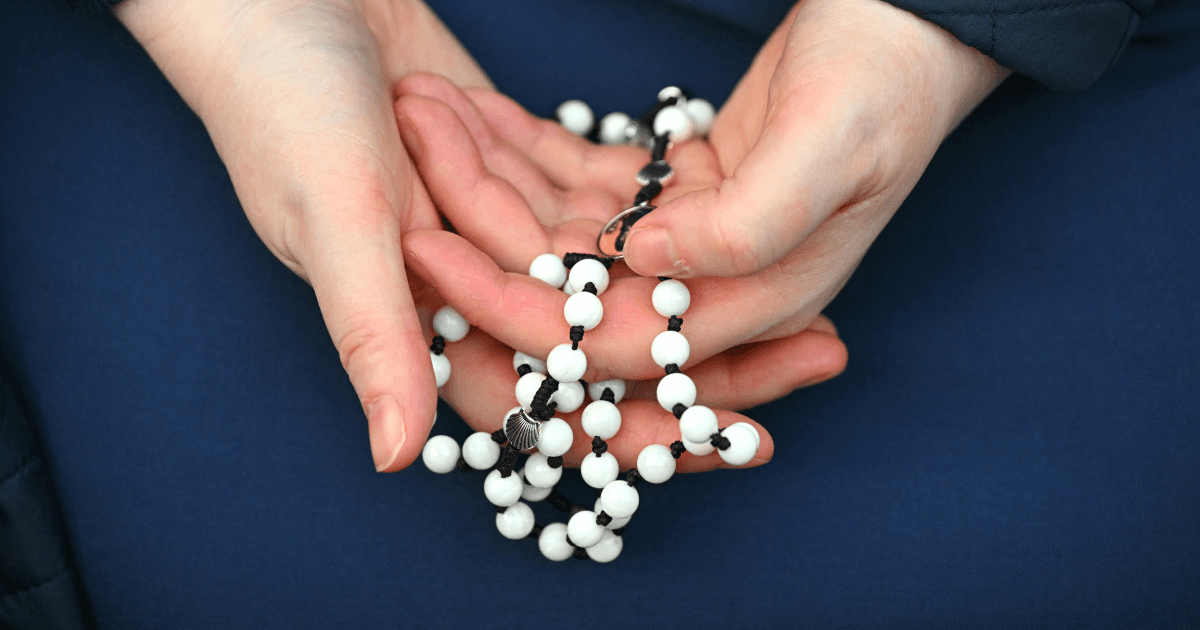 Newsroom
Thousands of Irish children to join global Rosary campaign
Corrie Douglas-Young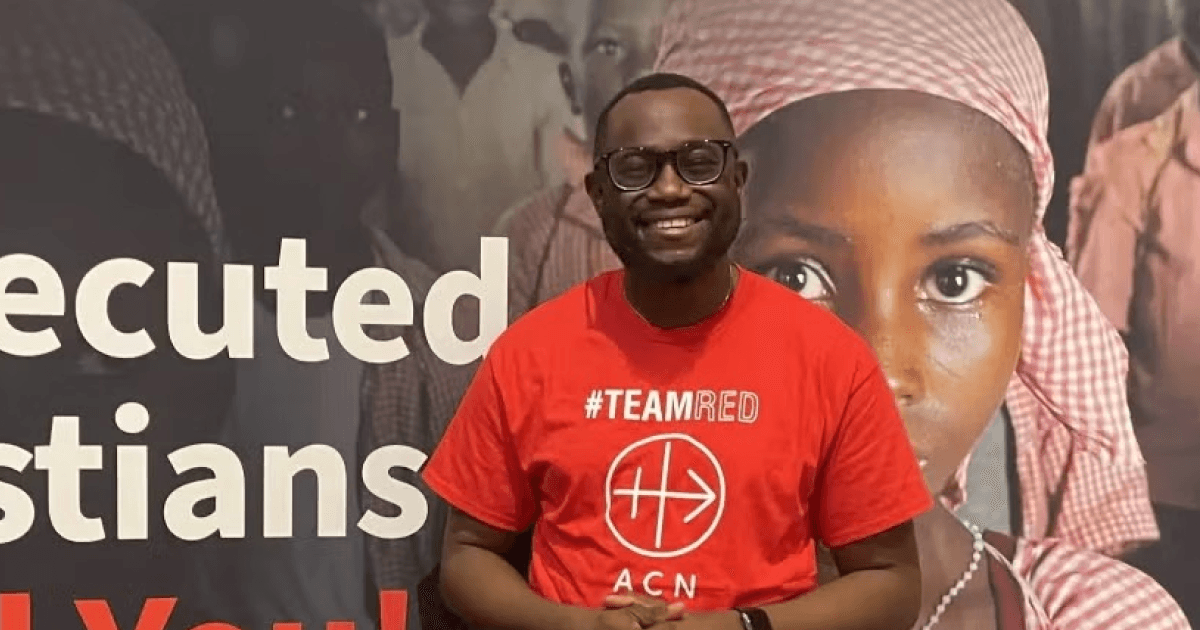 Newsroom
TikTok priest urges young people to stand with persecuted Christians
Nathalie Raffray Newsroom
Baby born at 25 weeks reunites with neonatologist two years after leaving hospital
The Catholic Herald Newsroom
Joe Biden honoured by Planned Parenthood after defending abortion rights
Christine Rousselle
subscribe to the catholic herald today
Our best content is exclusively available to our subscribers. Subscribe today and gain instant access to expert analysis, in-depth articles, and thought-provoking insights—anytime, anywhere. Don’t miss out on the conversations that matter most.
Subscribe



