

February 28, 2026

Contextualising the Great Seige

HJA Sire
More
Related
Min read
share

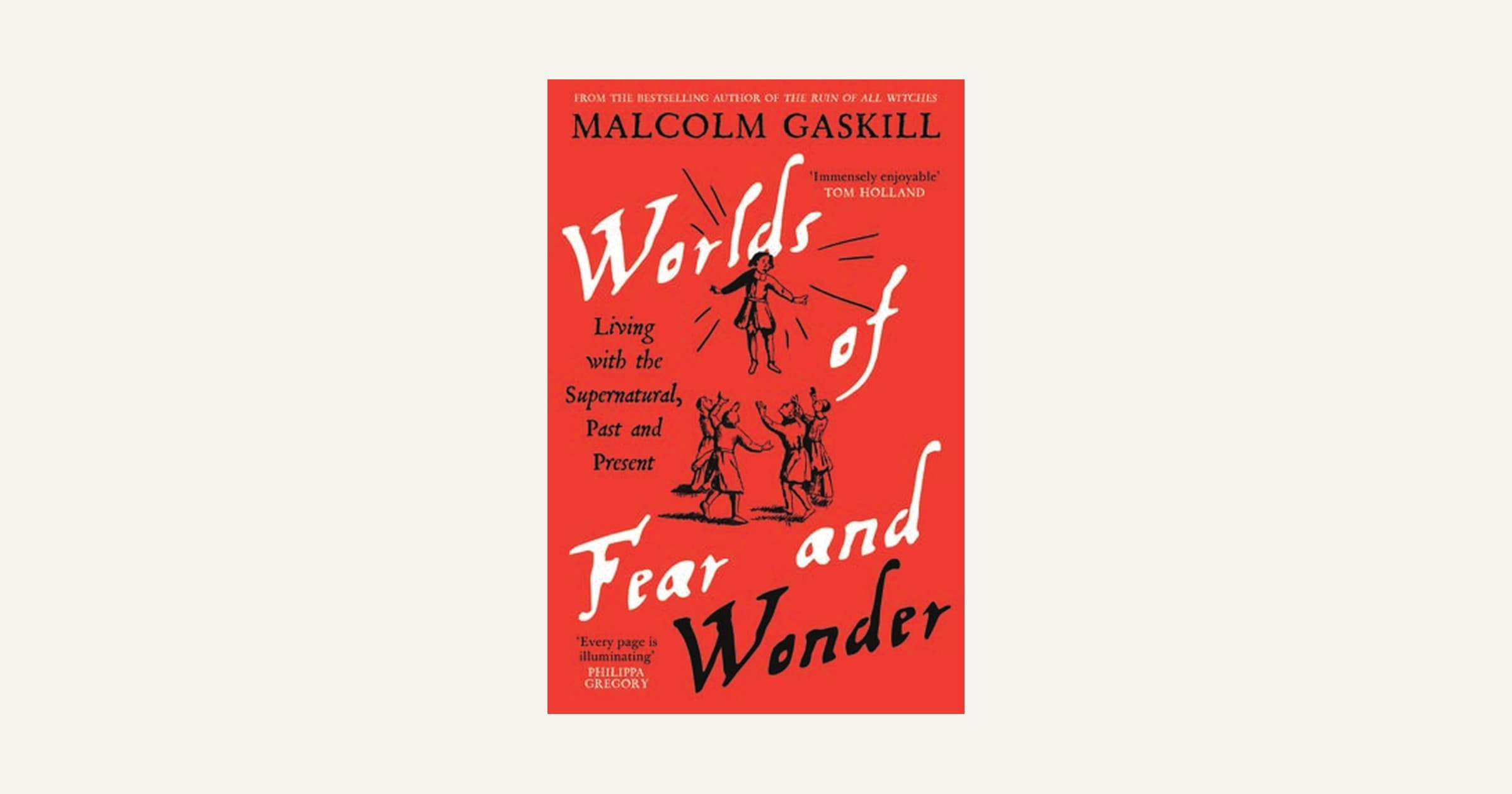
For the past 60 years the main book in English on the siege of Malta has been Ernle Bradford’s quatercentenary publication. It remains a good read but is a monument of amateurism at every level, from the macro-political to the micro-tactical. Marcus Bull’s new book handsomely redresses the balance and vindicates the high professionalism brought to the Order of Malta’s historiography by the late Prof Jonathan Riley-Smith, whose pupil the author is.

As a work of history, Marcus Bull’s book is at the other end of the scale from Bradford’s, so much so that one could almost quip that he makes the siege of Malta a peg on which to hang a comprehensive review of world history in the year 1565. That would be an exaggeration, but there is one chapter which, after glancing at what was happening in China, Japan and India, proceeds to an in-depth description of the stirrings of revolt in the Spanish Netherlands and the beginnings of Spanish imperial rule in the Philippines and on the coast of Florida. Drawing these strands together, the author judges: “it is fair to say that in 1565 the world became significantly more joined up than ever before”. Coming closer to the immediate subject, there is a chapter devoted to a close study of the Ottoman Empire, an area generally shirked by historians of the Order of Malta, who have been content to view the Turks from afar simply as the enemy.
In accordance with this global criterion, the author rises above the parochial views about the siege of Malta often betrayed by historians of the Order. For example, it is an absurd exaggeration to think that the Ottomans’ conquest of Malta in 1565 threatened the fall of much of Western Europe to their rule. As the author points out, they would have found it difficult even to hold Malta itself, let alone advance into Italy from its base. Marcus Bull also inverts the heroification of Jean de la Valette, the Grand Master who led the Order through the siege, and cuts him firmly down to size: “Any competent Knight steeped in the traditions of the order could have conducted the defence of Malta as well as La Valette, if not better.” Such judgments may leave patriots of the Order crestfallen, but even those who wish to take pride in this epic achievement of the Knights need to understand it in a true historical light and not just as a stirring myth.

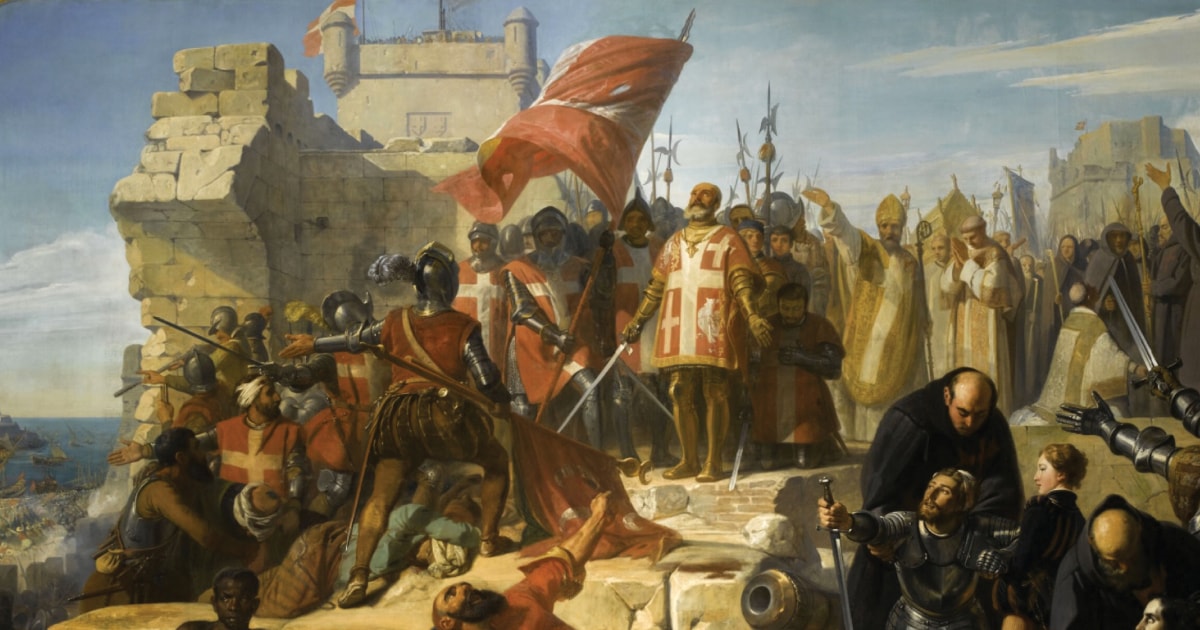
The siege of Malta in 1565 was certainly a crucial event. The Knights of St John, the crack force of Christian Europe not just by their military prowess but by their religious dedication, had been seated in Malta since 1530. This was just at the time when the island became the forward bastion in the defence against the Ottoman Empire, which had established itself as the overwhelmingly dominant power in the eastern and southern Mediterranean. It was symbolic importance, rather than strategic value for future conquests, that led Suleiman to mobilise an army of 25,000 men and a fleet of 130 galleys to dislodge the Knights. The defence of Malta and the crushing naval victory at Lepanto six years later proved to be the twin feats that put an end to the seemingly inexorable advance of the Turkish Empire.

Focusing on the wider significance, only three chapters (out of nine) are devoted to a narrative of the siege itself, but it is based on the contemporary accounts of participants, which are used better here than in most previous books on the subject. I have a particular criticism: the description of the siege of Fort St Elmo, which held up the Turks for four weeks before they could get down to that of the capital itself, would have been improved by the inclusion of a detailed map of that action. The description is impossible to understand without a detailed knowledge of the topography. In fact, I am not entirely convinced that the author has understood it himself. From the fall of St Elmo on June 23, 1565, the siege became a matter of slogging it out around the walls of the Borgo for two-and-a-half months until the long-awaited Spanish relief force arrived on September 8, 1565.

Marcus Bull has raised the subject of the Great Siege from relative neglect and has treated it with a professionalism and indeed a mastery which it deserves. It would be right, however, for a journal of the Order of Malta to voice a criticism which the author will not hear from anywhere else. It relates to the lack, one might say the refusal, of essential empathy with the religious order which is, after all, the hero of his story. The author is probably not even aware of the bias, because it is one so ingrained in modern historians. It begins in a habitual cynicism about the ethos of the Knights, conveyed in a succession of phrases: “members of a national or religious elite gravitated towards the court of a ruler and built courtly behaviours and attitudes into their self-fashioning”; “They thus became embedded in an image of itself that the order liked to cultivate and to present to the world”; “the ideals of laudable and ennobling violence that were wired into the order’s vocation and self-image”. These modes of expression reflect the conviction of modern middle-class historians that 16th-century noblemen must have been putting on an act in a way that 16th-century notaries or bakers were not.

Even less credit is given by Bull to the Knights as followers of a religious vocation. The title of Chapter 1, “Violence, Vanity and Vocation: The Knights of Malta”, constitutes a cliché to the point of caricature, of titles with which modern academics like to embellish their studies; yet it fails to deliver its verbal promise. The chapter devotes much space to criminality in the Order, which was the experience of a minority, and none at all to the religious vocation, which was the experience of all. The “Vocation” proves to be in the title merely to serve the alliteration. In common with other modern historians of the subject, the author views the Order of Malta from a secularist bubble which denies his readers an understanding of the essence of what he describes.

With this book Marcus Bull has provided a distinguished specimen of modern historical scholarship, but I can suggest to him a more unusual challenge: that of rising above the preconceptions of contemporary historiography and seeking to instruct the reader in the religious spirit of the Knights who contributed this epic of military prowess.

This review was originally published in Crux Alba.

For the past 60 years the main book in English on the siege of Malta has been Ernle Bradford’s quatercentenary publication. It remains a good read but is a monument of amateurism at every level, from the macro-political to the micro-tactical. Marcus Bull’s new book handsomely redresses the balance and vindicates the high professionalism brought to the Order of Malta’s historiography by the late Prof Jonathan Riley-Smith, whose pupil the author is.

As a work of history, Marcus Bull’s book is at the other end of the scale from Bradford’s, so much so that one could almost quip that he makes the siege of Malta a peg on which to hang a comprehensive review of world history in the year 1565. That would be an exaggeration, but there is one chapter which, after glancing at what was happening in China, Japan and India, proceeds to an in-depth description of the stirrings of revolt in the Spanish Netherlands and the beginnings of Spanish imperial rule in the Philippines and on the coast of Florida. Drawing these strands together, the author judges: “it is fair to say that in 1565 the world became significantly more joined up than ever before”. Coming closer to the immediate subject, there is a chapter devoted to a close study of the Ottoman Empire, an area generally shirked by historians of the Order of Malta, who have been content to view the Turks from afar simply as the enemy.
In accordance with this global criterion, the author rises above the parochial views about the siege of Malta often betrayed by historians of the Order. For example, it is an absurd exaggeration to think that the Ottomans’ conquest of Malta in 1565 threatened the fall of much of Western Europe to their rule. As the author points out, they would have found it difficult even to hold Malta itself, let alone advance into Italy from its base. Marcus Bull also inverts the heroification of Jean de la Valette, the Grand Master who led the Order through the siege, and cuts him firmly down to size: “Any competent Knight steeped in the traditions of the order could have conducted the defence of Malta as well as La Valette, if not better.” Such judgments may leave patriots of the Order crestfallen, but even those who wish to take pride in this epic achievement of the Knights need to understand it in a true historical light and not just as a stirring myth.

The siege of Malta in 1565 was certainly a crucial event. The Knights of St John, the crack force of Christian Europe not just by their military prowess but by their religious dedication, had been seated in Malta since 1530. This was just at the time when the island became the forward bastion in the defence against the Ottoman Empire, which had established itself as the overwhelmingly dominant power in the eastern and southern Mediterranean. It was symbolic importance, rather than strategic value for future conquests, that led Suleiman to mobilise an army of 25,000 men and a fleet of 130 galleys to dislodge the Knights. The defence of Malta and the crushing naval victory at Lepanto six years later proved to be the twin feats that put an end to the seemingly inexorable advance of the Turkish Empire.

Focusing on the wider significance, only three chapters (out of nine) are devoted to a narrative of the siege itself, but it is based on the contemporary accounts of participants, which are used better here than in most previous books on the subject. I have a particular criticism: the description of the siege of Fort St Elmo, which held up the Turks for four weeks before they could get down to that of the capital itself, would have been improved by the inclusion of a detailed map of that action. The description is impossible to understand without a detailed knowledge of the topography. In fact, I am not entirely convinced that the author has understood it himself. From the fall of St Elmo on June 23, 1565, the siege became a matter of slogging it out around the walls of the Borgo for two-and-a-half months until the long-awaited Spanish relief force arrived on September 8, 1565.

Marcus Bull has raised the subject of the Great Siege from relative neglect and has treated it with a professionalism and indeed a mastery which it deserves. It would be right, however, for a journal of the Order of Malta to voice a criticism which the author will not hear from anywhere else. It relates to the lack, one might say the refusal, of essential empathy with the religious order which is, after all, the hero of his story. The author is probably not even aware of the bias, because it is one so ingrained in modern historians. It begins in a habitual cynicism about the ethos of the Knights, conveyed in a succession of phrases: “members of a national or religious elite gravitated towards the court of a ruler and built courtly behaviours and attitudes into their self-fashioning”; “They thus became embedded in an image of itself that the order liked to cultivate and to present to the world”; “the ideals of laudable and ennobling violence that were wired into the order’s vocation and self-image”. These modes of expression reflect the conviction of modern middle-class historians that 16th-century noblemen must have been putting on an act in a way that 16th-century notaries or bakers were not.

Even less credit is given by Bull to the Knights as followers of a religious vocation. The title of Chapter 1, “Violence, Vanity and Vocation: The Knights of Malta”, constitutes a cliché to the point of caricature, of titles with which modern academics like to embellish their studies; yet it fails to deliver its verbal promise. The chapter devotes much space to criminality in the Order, which was the experience of a minority, and none at all to the religious vocation, which was the experience of all. The “Vocation” proves to be in the title merely to serve the alliteration. In common with other modern historians of the subject, the author views the Order of Malta from a secularist bubble which denies his readers an understanding of the essence of what he describes.

With this book Marcus Bull has provided a distinguished specimen of modern historical scholarship, but I can suggest to him a more unusual challenge: that of rising above the preconceptions of contemporary historiography and seeking to instruct the reader in the religious spirit of the Knights who contributed this epic of military prowess.

This review was originally published in Crux Alba.

subscribe to
the catholic herald

Continue reading your article with a subscription.
Read 5 articles with our free plan.
Subscribe

subscribe to the catholic herald today

Our best content is exclusively available to our subscribers. Subscribe today and gain instant access to expert analysis, in-depth articles, and thought-provoking insights—anytime, anywhere. Don’t miss out on the conversations that matter most.
Subscribe