

To Southend for a delightful evening organised by the ordinariate group at St Peter’s, Eastwood. Fr Jeff Woolnough has done a fine job in transforming the sanctuary of this modern church: it’s now white and gold, glittering with candles for Mass. A good attendance and a good atmosphere. They had asked me to speak about Walsingham and I was glad of the opportunity to explore the story properly. Too many people start by saying, in a slightly sing-song voice: “In 1061 the lady of the manor, Richeldis, had a vision …” without explaining what was happening in 1061, or why it’s all important. Islamic forces were dominating the Holy Land. Meanwhile, here at home Vikings were harrying our coasts, and no one knew whether King Edward had really promised the throne to William of Normandy and what the outcome of all that might be. These were troubled times. Militant Islam, uncertainty and concern for the future. Sound familiar? The Holy House at Walsingham is all about the glorious reality of the Incarnation: God truly coming to be with us and remain with us, a message of hope. ....... Fr Michael Halsall and I travelled up from London. He works at Allen Hall seminary, and had been addressing a plenary gathering of ordinariate priests, discussing vocational formation. He was an Army chaplain for some years and we enjoyed swapping Army talk. But the Army I knew in Berlin in the 1980s, and with which he served in Northern Ireland and Bosnia in the 1990s, is now something rather different. The Armed Forces, like the police, find themselves treading on eggshells to avoid giving even the appearance of political incorrectness. I’m aware from other sources what this is like: people relish catching out someone for being “sexist” or for upholding marriage as the union of a man and a woman, or for appearing insufficiently enthusiastic about using current jargon on these issues. ....... It’s very good indeed that Blessed Paul VI is to be canonised. Among the nastiest things I’ve been sent as a Catholic journalist over the years have been angry rants against him, from people who disliked his reform of the liturgy and also hated him for bringing the Second Vatican Council to a successful conclusion, promulgating its decrees and ensuring that the Council found its place in the life of the Church. He was actually a man of great courage – not only for giving us Humanae Vitae at a time when the the Western world was cheering for contraception, but also, two decades earlier, as assistant to his mentor Pius XII in helping to save Jewish lives in Rome in grim years under Nazi occupation: something of an untold story. ....... Some correspondents also criticise St John Paul II. A recent offering drew attention to the design of a chair in which JPII was sitting, which it was claimed had a Satanic symbol in the form of an upside-down Cross. I wanted to point out that if the symbol could be discerned (by no means clear), it presumably indicated St Peter, who was crucified upside-down. Campaigners sometimes overlap with those announcing that there is a fourth hidden secret of Fatima. I think they’ve given up trying to claim that the third wasn’t revealed, ever since it has become absolutely clear that it was. They’re sounding a bit desperate now. One offering announced that a flood in Lourdes some years ago indicated that St John Paul II shouldn’t have been canonised (no, I didn’t get the connection either) and that the shrine would never recover. Flood repair has long since been completed and the shrine continues to attract millions annually. ....... Leading Catholic history walks around London has proved to be a great project. People are hungry to learn history. Among older people the comment is “I never somehow connected with it while I was at school”, although they do have a sort of general understanding of the basic map (Roman Empire, Saxon invasions, Norman conquest, Middle Ages, etc). Among younger people it’s more anguished: “We didn’t get any of this! We just got the Second World War over and over again.” They feel robbed: they want the basic information that explains how things developed over the centuries to create the country in which they now live. Coffee and tea are cheaper in most takeaway places now if you bring your own mug. My favourite depicts John Paul. It gets a lot of favourable comment. A young Pole making my latte: “Is hero, Polish hero!” A cheery Scot checking my railway ticket: “I liked that Pope.” And people want to talk about him, make a personal connection: “My mum once saw him, in Rome…” Time-consuming when one is hurrying. But fun. Joanna Bogle is an author, broadcaster and historian
1:00 PM
Diary by Joanna Bogle
Joanna Bogle


4 min read



Already a subscriber? Sign in
5freearticles every month
Continue reading with a free account. No card needed.
- Five free articles every thirty days, on any device you sign in on
- The Catholic Herald newsletter, every morning
- Subscribe whenever you like for everything: every article and the magazine
Related articles
 Newsroom
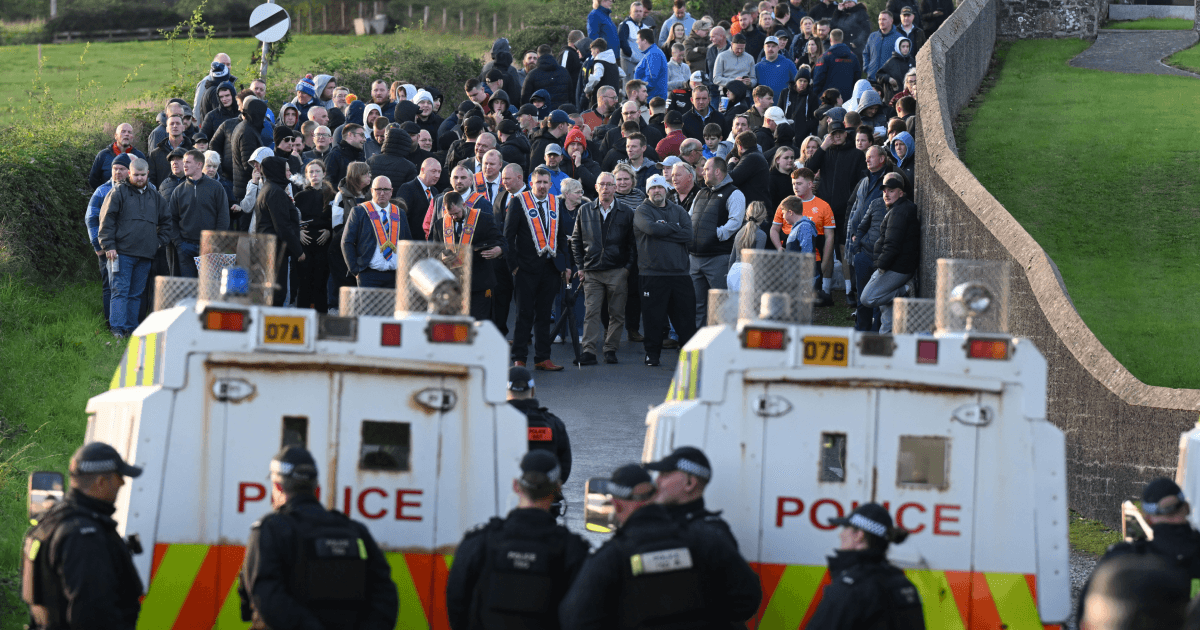
Church leaders urge Drumcree dialogue: ‘Too much is at stake’
The Catholic and Church of Ireland Archbishops of Armagh have urged a renewed commitment to peace and reconciliation amid the Drumcree stand-off
Corrie Douglas-Young Newsroom
Thousands of Irish children to join global Rosary campaign
Corrie Douglas-Young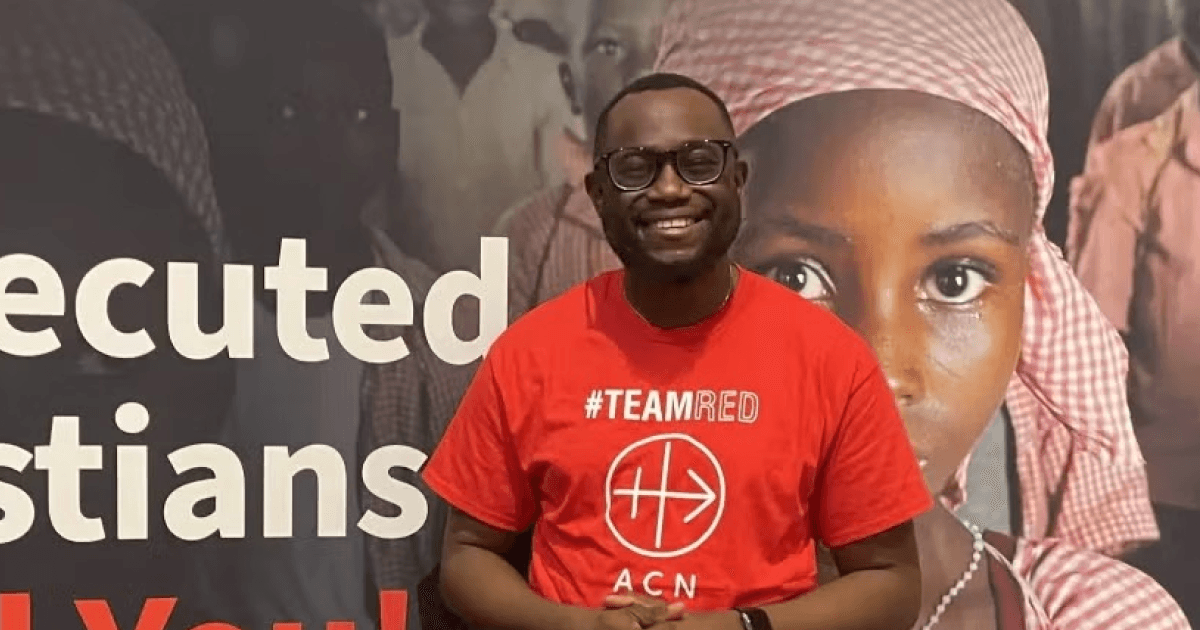 Newsroom
TikTok priest urges young people to stand with persecuted Christians
Nathalie Raffray Newsroom
Baby born at 25 weeks reunites with neonatologist two years after leaving hospital
The Catholic Herald Newsroom
Joe Biden honoured by Planned Parenthood after defending abortion rights
Christine Rousselle
subscribe to the catholic herald today
Our best content is exclusively available to our subscribers. Subscribe today and gain instant access to expert analysis, in-depth articles, and thought-provoking insights—anytime, anywhere. Don’t miss out on the conversations that matter most.
Subscribe



