

Render unto Caesar that which is Caesar’s and to God that which is God’s. The country is effectively leaderless and both major parties plus Ukip have to decide how they want to be led. As usual Christian organisations are circulating the views of the various candidates on those issues that matter to us: abortion, euthanasia, the right to Christian conscience or to display Christian symbols. Yet we are electing Caesar.
It is a question that torments Christians at general elections. One may be inclined to vote Labour but it is the Conservative candidate who is pro-life; or vice versa. Perhaps there is a candidate from a specifically Christian but very fringe party. He cannot win, so is it worth throwing away one’s vote? Usually such questions are determined by the marginality of the seat. Conservatives in Liverpool voted for David Alton to keep Labour out, which must have been just a trifle frustrating for their own candidate.
Andrea Leadsom is a highly committed Christian while Theresa May can be spotted at early morning communion. Yet supposing one was an unbeliever and the other as holy as a saint? Should that have determined a Christian's vote if the contest had gone ahead? Obviously it will tip the balance if other merits are fairly evenly balanced, but should such a consideration ever be sufficiently powerful to reverse a preference altogether? Even when voting for a Prime Minister?
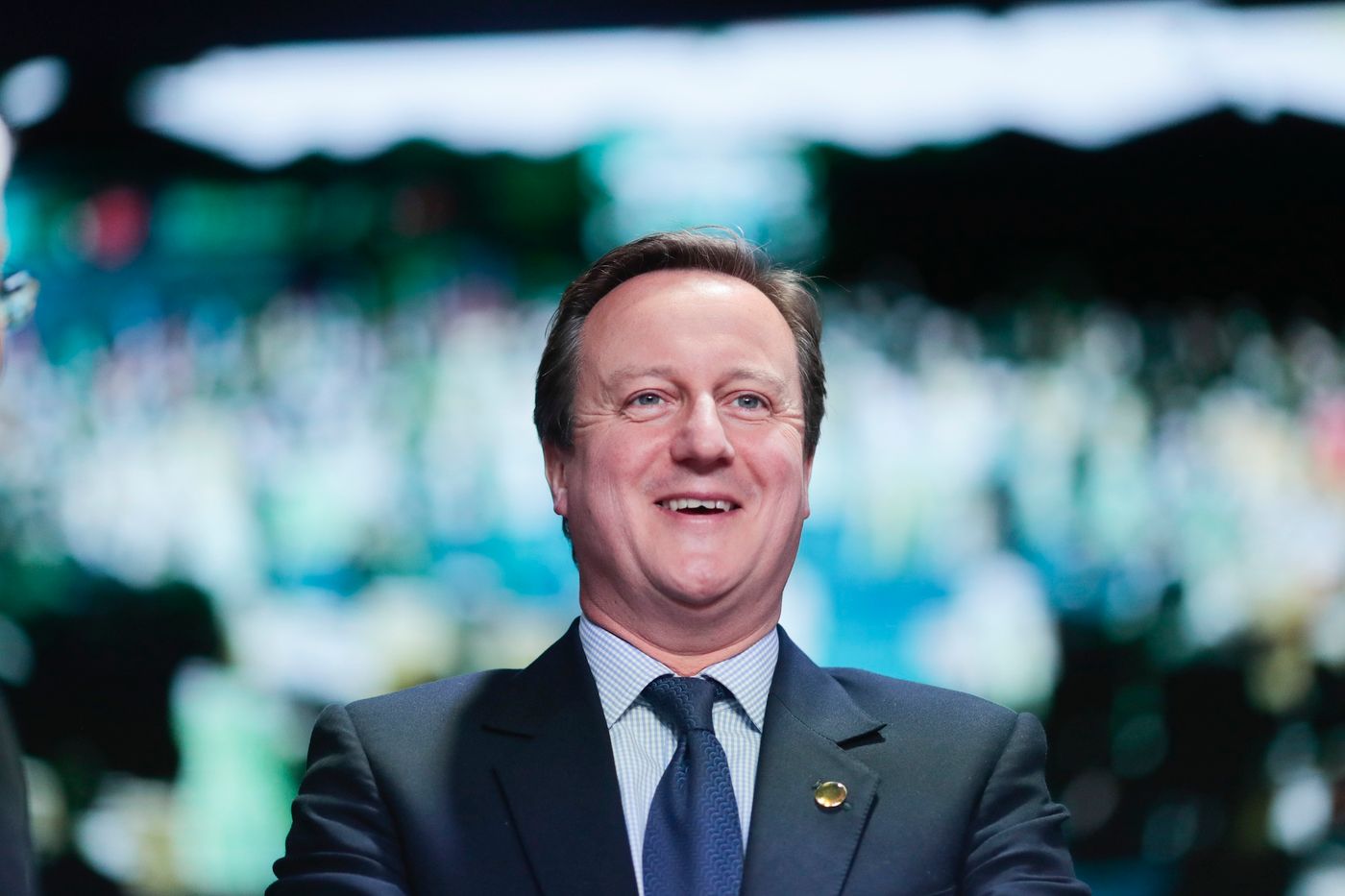
Of course there are nuances. A candidate may not be a Christian himself but still strongly defend Christian conscience. David Cameron always talked about the importance of Christianity but then refused amendments to his gay marriage Bill which would have protected the likes of Adrian Smith, who was demoted with a 40 per cent pay cut by Trafford Housing Trust for disagreeing – in moderate and reasonable terms – with the legislation on his private Facebook site. Cameron also purported to uphold the rights of Christians to wear symbols of their faith while his ministers were arguing the exact opposite in the European courts. By their fruits ye shall know them. A raging atheist who protected Christian conscience on grounds of free speech would have served us better.
If we want godly laws we need godly people making them. Thus I often argue when asked if Christians should get involved in politics. God can work through government and therefore it is essential to have Christian politicians in all major parties. However, it is also necessary to remember that politics, in any form except a theocracy, belongs mainly to Caesar. Government exacts the tribute, keeps order and defines justice. It is not concerned with the soul. It seeks, with varying degrees of success, to make life on earth as smooth as possible and is utterly indifferent to the hereafter.
Two Christians can be devoted to the same end yet discern widely differing political paths to achieving it. Take, for example, one very small New Testament text: let ye who have two coats give unto him that hath none. A conservative will interpret that as, primarily but not exclusively, an exhortation to individual responsibility: he must relieve need as he finds it. A socialist would believe that relief must be provided, principally but not exclusively, by the state through taxation.
Before anybody protests that to be a gross simplification, let me own it myself: it is. My argument, however, is that if one small passage of Scripture can produce such divergent views, it is unsurprising that across the whole panoply of Christian teaching there is no one political view as to how to effect it. So it may well be that the convinced Christian will espouse a course with which one disagrees and the unbeliever propose the course one believes just, with the inevitable consequence that a Christian may prefer the politics of a non-Christian and do so with both honour and conscience.
In such situations motivation plays second fiddle to practicalities when assessing political aspirants. If you can agree with both the motivation and the proposals that flow from it, there is no conflict in the polling booth; but the two do not always coincide.
We serve God when we serve our fellow man and it is necessary to ask ourselves whose policies will best do that as much as to ask what part belief has played in their formation.
In the recent referendum I was president of Christians for Britain, an organisation campaigning for Brexit, and I give thanks for our success, but that did not lead me to believe that either side had a monopoly of Christian virtue. It rarely has in political arguments.
Yet it is still important to know what place faith plays in a politician’s life, not only so that we may look for those who have it but because the wider democratic process depends on understanding what drives any individual standing for office.
Ann Widdecombe is a novelist, broadcaster and former prisons minister