

The greatest challenges faced by the Church in Iraq are the loss of hope among young people, and emigration of Christians seeking peace and stability elsewhere, according to the new Chaldean Patriarch.
The internal political situation in Iraq is “generally good”, and there is some positive expectancy that the government can effect positive change in building a “strong state founded on solid institutions, and combat corruption, which is the nation’s main enemy.” But, the negative impacts of the conflict between the United States and Iran are unavoidable.
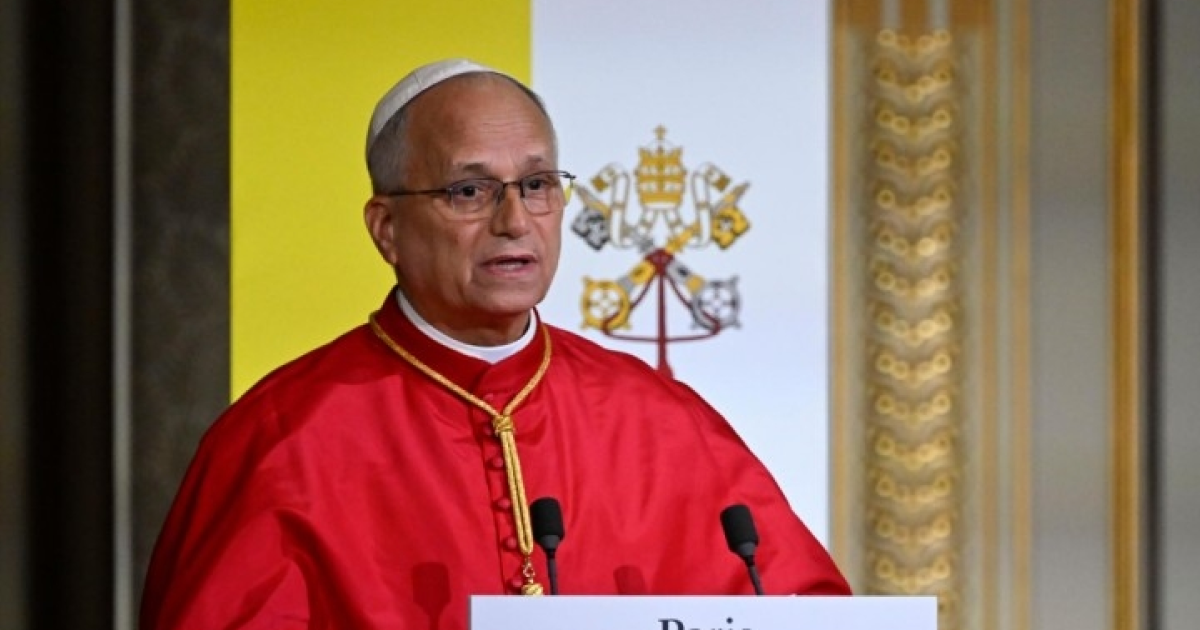
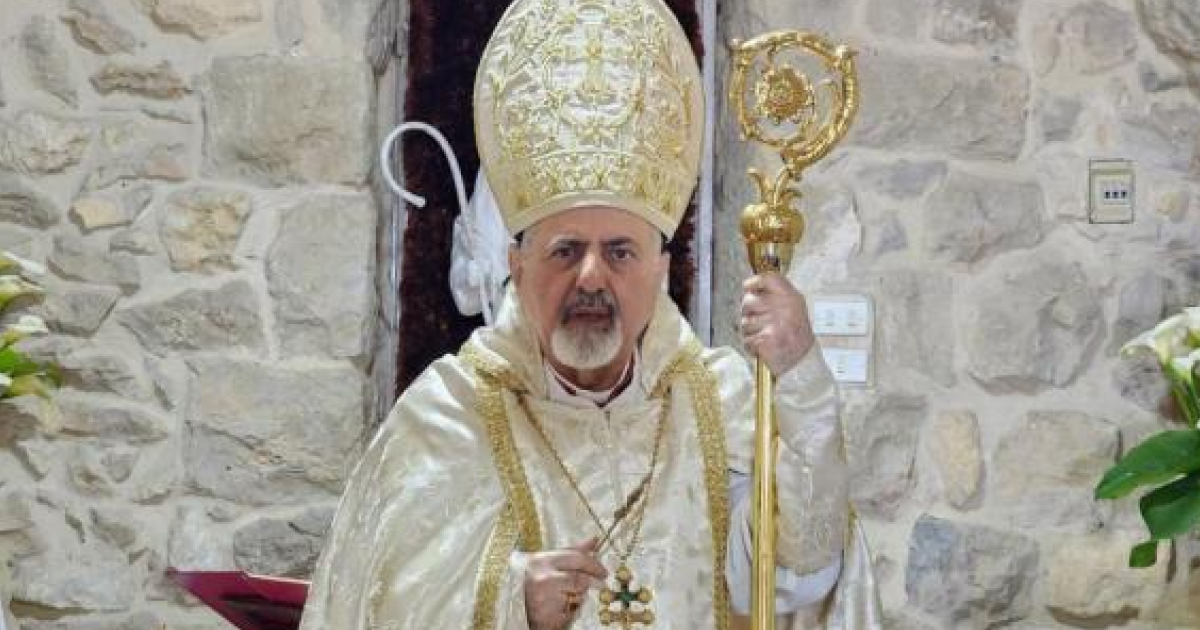
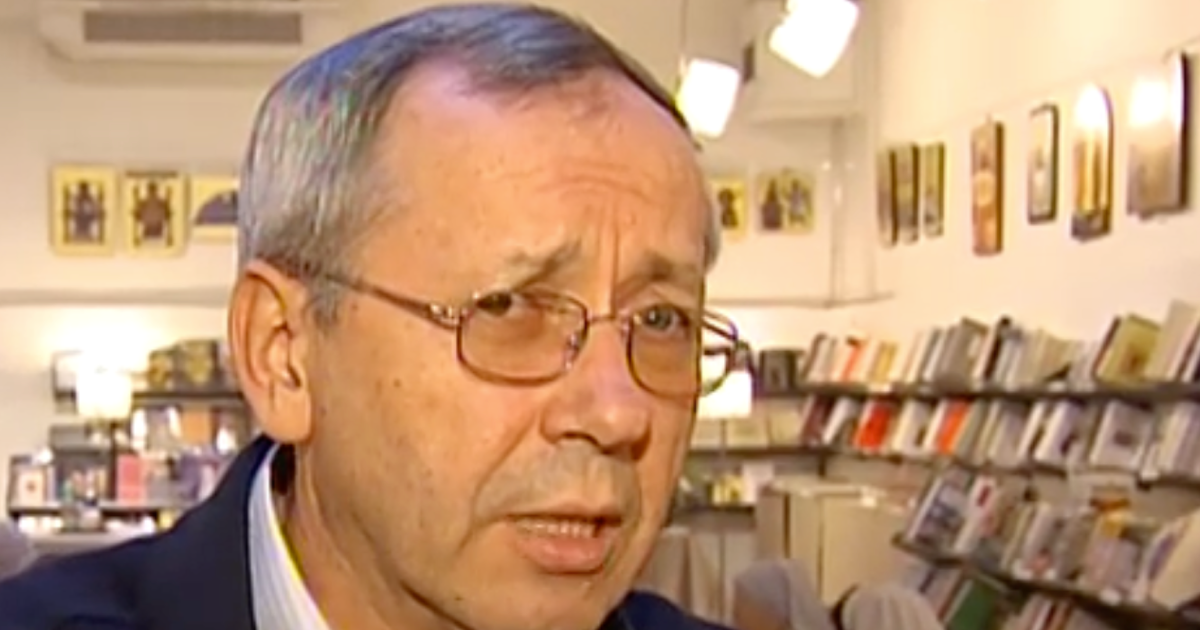
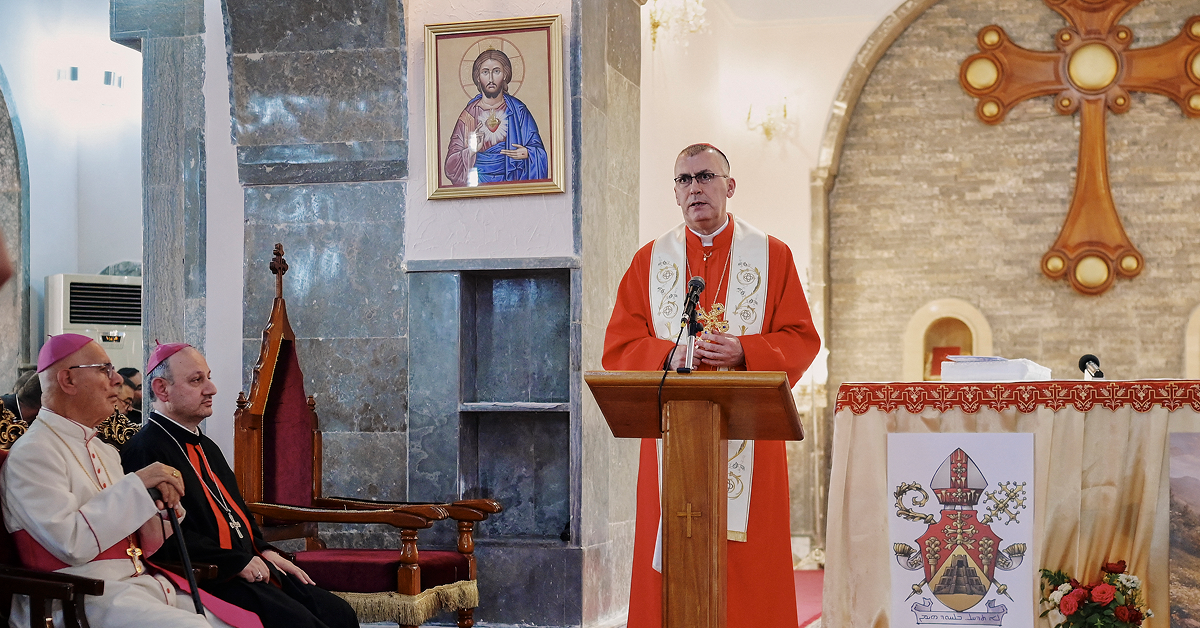
Such is the assessment of Patriarch Paul III Nona, who was elected as the Chaldean Patriarch of Baghdad in April this year. Born in the Nineveh Plains, Paul III was Archeparch of Mosul from 2009 through to 2015, before becoming Eparch of St Thomas the Apostle of Sydney of the Chaldeans. This spring he was elected as successor to Cardinal Raphael Sako as the Patriarch of Baghdad, thus returning to his home land once again.
In the Patriarch’s assessment Iraq does have some political hope, but at a more fundamental level he highlighted a widespread lack of hope in the country’s future as found among the nation’s youth. “Young people have lost hope in the future, in their land, in their homeland, and, in a sense, in almost everything,” he told Vatican News.
This, the Patriarch commented, is the “most serious challenge” Iraq faces, since “it makes young people reluctant to get involved, to build their own lives and those of others, or to actively contribute to the development of society.”
Such a lack of confidence in the country’s future is demonstrated very plainly by the emigration of Christians who are seeking a more stable life. The effect is very real. Due to the numbers emigrating from Iraq, marriages have “decreased significantly”, the Patriarch lamented. “Many young people do not wish to start a family here because they intend to leave the country.”
For those choosing to remain, uncertainty in the nation’s future and stability is also having a direct impact on their lives. The Patriarch highlighted the problem that even Christians who do remain “do not feel comfortable starting a family under conditions marked by uncertainty.”
“The lack of hope for the nation’s future — due to the instability affecting the entire region — means that young people have no desire to participate in public life or to contribute to it…The greatest challenge we face is the failure of all Christians to return to this region: many have emigrated from Iraq, while others have chosen to remain in more stable areas.”
Failure to provide the Iraqi youth with reason to invest in their country is not just an issue for that particular generation, said Paul III, but presents a concern for all Iraqis since without the participation of the youth “the future risks becoming increasingly precarious.”
It is now twelve years since the Islamic State of Iraq and Syria (ISIS) forces stormed the historically Christian Nineveh Plains, massacring as they went and seizing the city of Mosul for a headquarters in the region. The targeted killings of Christians and Yazidis was eventually recognised internationally as a genocide. Hundreds of thousands fled in order to save their lives, and the Christian population plummeted from an estimated 1.5 million in the early 2000s to between 200,00 and 300,000 after the 2014 attacks.
Since then, the Christian population has been slowly stabilising, and Pope Francis’ visit to Iraq in March 2021 served to further push the plight of persecuted Christians into the limelight.
Patriarch Paul III was Archeparch of Mosul at the time of the attacks and speaking to Aid to the Church in Need after the capture of his city he lamented the “tragic” state of the region. “In 2003 there were still 35,000 faithful living in Mosul. Three thousand were still there in early 2014. Now probably not one is left here, and that is tragic.”
These days the situation is markedly different, he stated this week. “Without a doubt, there is a huge difference between those days and the current situation. There is no longer a climate of intense fear.” The historically Christian areas of the country are no longer as plagued by the “security problems of the past,” he said.
But this does not mean that life is easy for Iraqi Christians. The demographic crisis is an omnipresent issue, Paul III noted, as is the “lack of essential services”. Losses incurred by the Christian communities “cannot be compensated for”, and the practice of the faith is still not something which can be taken for granted.
“The freedom to live one’s faith extends not only to what takes place within churches but also to the ability of Christians to be present and to participate freely in all spheres of social life,” observed the Patriarch. “These latter aspects cannot be fully guaranteed without encountering institutional and social obstacles.”
He also noted the impact of the surrounding regional conflict, stating that “there are fears that the country could be dragged into the conflict or become a battleground between the various parties involved.”
Life for Iraqi Christians is a daily struggle on many levels, the Patriarch commented. Ahead of his meeting with Catholic bishops of the region – the first such since 2021 – he urged that Iraq needs to “restore confidence in the future so that every Christian can live freely, with the certainty of being able to build a stable life and have a job in which they do not suffer discrimination or undue interference.”
For Christians to be convinced to return to their native land then the government must deliver. “Their return depends on numerous factors, including the stability of the political situation and the hope that the painful events of the past will not be repeated,” stated the Patriarch.
Michael Haynes is an English journalist in the Holy See Press Corps. He serves as Vatican Correspondent for the Catholic Herald, while readers can follow him at Per Mariam and on X @MLJHaynes.