


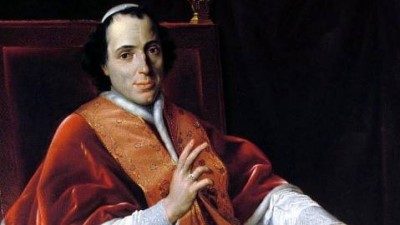
Knowledge of Church history is one of the most helpful things in keeping our balance as Catholics. A few hours’ reading will make clear that nearly all the things that disturb faithful Catholics have happened before. The first encyclical of Pius VII, Diu Satis (May 15, 1800), gives us an excellent example. At the outset we might be puzzled by the place where the encyclical was issued. “Given at Venice in the monastery of San Giorgio Maggiore.” Why in the world was the pope there? Pius VI had died in exile in August of the preceding year. In France the Church was outlawed, Rome itself was occupied by French troops, the cardinals imprisoned or scattered. To many, both friends and foes of Catholicism, it seemed that the end had finally come. The German poet Novalis, admirer of medieval Christendom, wrote toward the end of 1799 that “The old Papacy lies in its grave and Rome for the second time has become a ruin.” But it was not to be. Under the protection of the Holy Roman Emperor, 35 cardinals painfully assembled near Venice and elected the new pope. Before he left Venice he addressed the bishops of the Catholic world in his first encyclical. In the midst of ruin on every side, Pius could say nothing better than to repeat truths which every Catholic should know.
4:00 PM
Encyclical of the month: Pius VII on the only source of hope
Thomas Storck

3 min read



Already a subscriber? Sign in
5freearticles every month
Continue reading with a free account. No card needed.
- Five free articles every thirty days, on any device you sign in on
- The Catholic Herald newsletter, every morning
- Subscribe whenever you like for everything: every article and the magazine
Related articles
 Newsroom
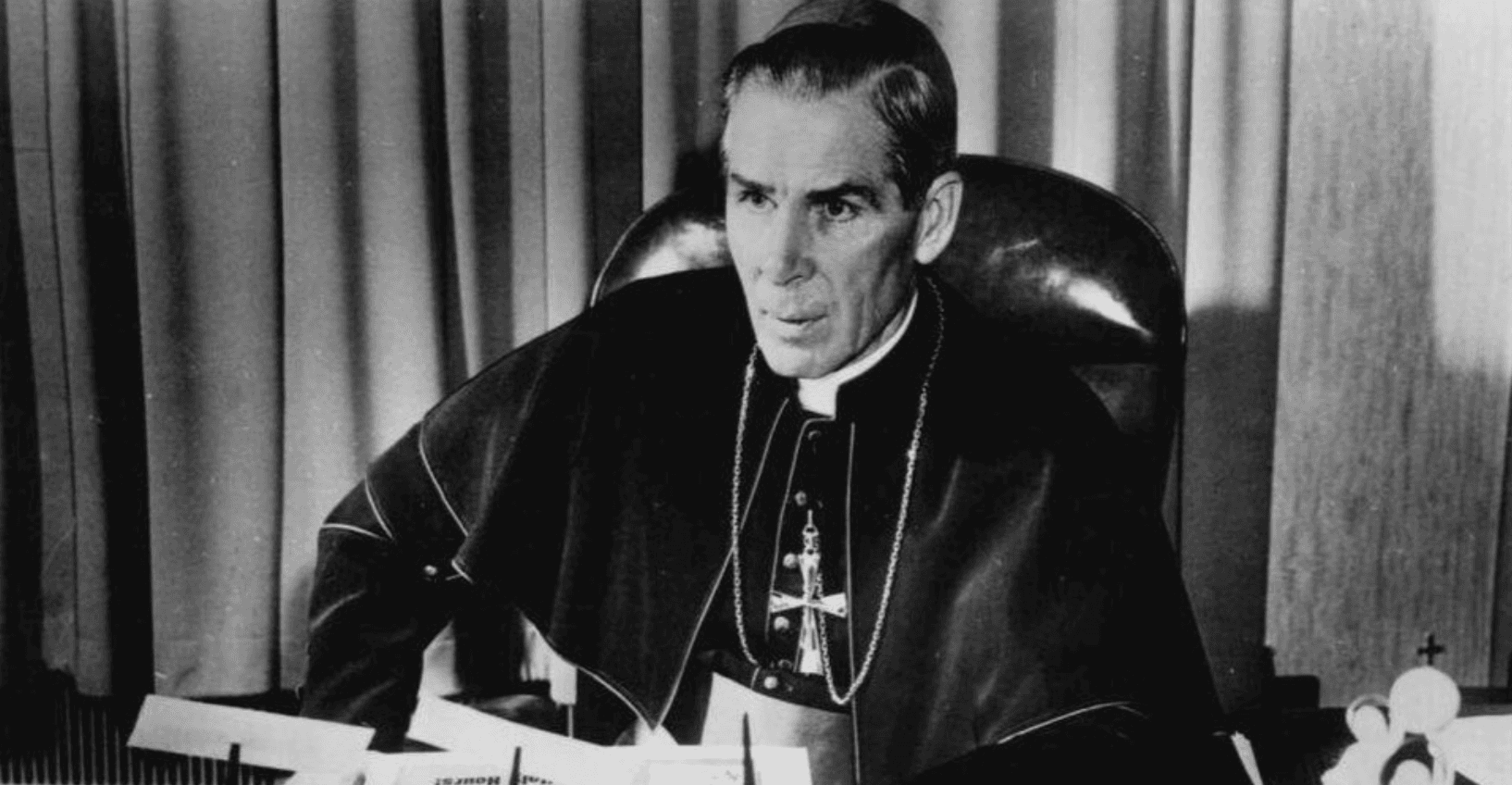
First parish named for Bl Fulton Sheen established in Illinois
Bishop Louis Tylka of Peoria announced the new Blessed Fulton Sheen Parish two days after Sheen became the first American-born bishop to be beatified
Christine Rousselle Newsroom
Injured priest tells Poles: ‘Do not blame Ukraine’ for convent attack
Corrie Douglas-Young Newsroom
Church leaders urge Drumcree dialogue: ‘Too much is at stake’
Corrie Douglas-Young Newsroom
Thousands of Irish children to join global Rosary campaign
Corrie Douglas-Young Newsroom
TikTok priest urges young people to stand with persecuted Christians
Nathalie Raffray
subscribe to the catholic herald today
Our best content is exclusively available to our subscribers. Subscribe today and gain instant access to expert analysis, in-depth articles, and thought-provoking insights—anytime, anywhere. Don’t miss out on the conversations that matter most.
Subscribe



