




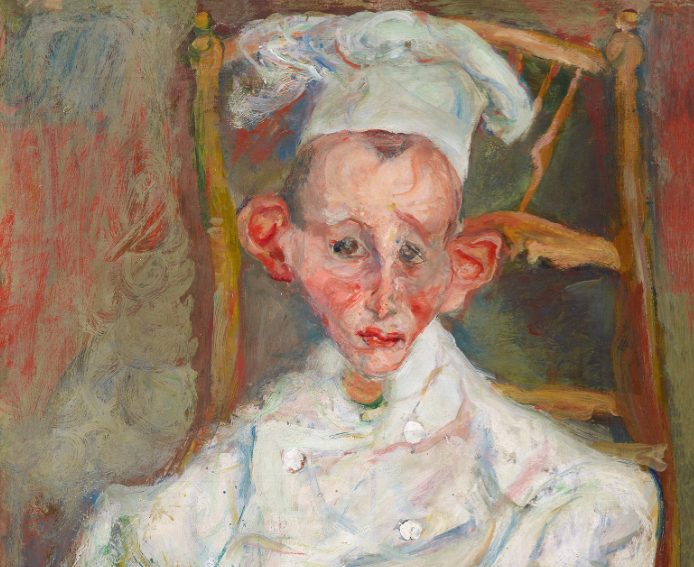
Soutine’s Portraits: Cooks, Waiters and Bellboys Courtauld Gallery, London, until January 21 Last chance The Courtauld is missing the point. Its Soutine show is subtitled “Cooks, Waiters and Bellboys”, like a below-stairs Downton Abbey, disguised as the mock-creaky Parisian jeu de main of a melancholic ilustre: Soutine, darling of Roaring Twenties hostesses, set up today to look slightly out of date. That’s balderdash. Soutine’s genius transcends bellhops, cooks, etc – it could be a bourgeois or a gentleman he is painting. Goya and Madame Bovary show us that human life in all its grotesqueness can be seen in these two social classes too. The label of their trade is irrelevant. As a young, penniless painter escaped from Smilovitchi, a town in modern-day Belarus, Soutine went to Paris and soon fell in with Modigliani, with whom he shared a dealer, Léopold Zborowski. Zborowski sent Soutine to Céret in the Pyrenees, between 1919 and 1922, where he first painted the incarnadine smocks of butcher boys. An American collector saw The Pastry Cook (not hung here) hanging in a bistro and promptly bought 50 canvases. A working tour of France’s finest hotels soon followed. What strikes you when you look at this awful, striking rogues’ gallery, is that there is an incredible accretion of humanity here. We see a housekeeper who is so expressive that she looks beaten up. Her eye is bleeding at the duct, diagonally. The nostrils of her nose rear up at us. Her right jaw is lumped, like Picasso’s Portrait of Dora Maar, 1937, to create an impression of sexuality (and I think this is the key expression with Soutine). The Pastry Cook of Cagnes seems to be a picture of a man becoming a mouse, like in Roald Dahl’s The Witches. (Dahl featured Soutine as a character in his short story Skin). The cook’s ears are that big. His dignity is intact. His black eyes fat in their sclera, the curdled red of his cheeks and the poignant dignity of his insult-forbearing, tender lips hold the face together. We live in the descent towards war, in an age of uncertainty, where the internet has given us wings and we don’t know what we are. In the 1920s, Reconstructivism coloured the trend to create an artistic compendium of the working classes – which was for the first time piercingly subjective. Modigliani, Van Gogh and Cézanne all tried their hand. People wanted to reconstruct the fabric of a country through its working people. As Adam Curtis said in his essential film HyperNormalisation, big business will take the place of government. As we slide, seemingly inexorably, into a new era of conflict, it is, perhaps, becoming the new fascist state. Soutine helps us still marvel lovingly at our humanity, which perdured despite the accoutrements of the 1920s hotel era. Moreover, we can laugh at its grotesqueness: its warts-and-all, rambling, somehow medieval corruptions.
12:00 PM
Fine arts: All humanity is displayed in this rogues’ gallery
Miguel Cullen

3 min read



Already a subscriber? Sign in
5freearticles every month
Continue reading with a free account. No card needed.
- Five free articles every thirty days, on any device you sign in on
- The Catholic Herald newsletter, every morning
- Subscribe whenever you like for everything: every article and the magazine
Related articles
 Newsroom
Church leaders urge Drumcree dialogue: ‘Too much is at stake’
The Catholic and Church of Ireland Archbishops of Armagh have urged a renewed commitment to peace and reconciliation amid the Drumcree stand-off
Corrie Douglas-Young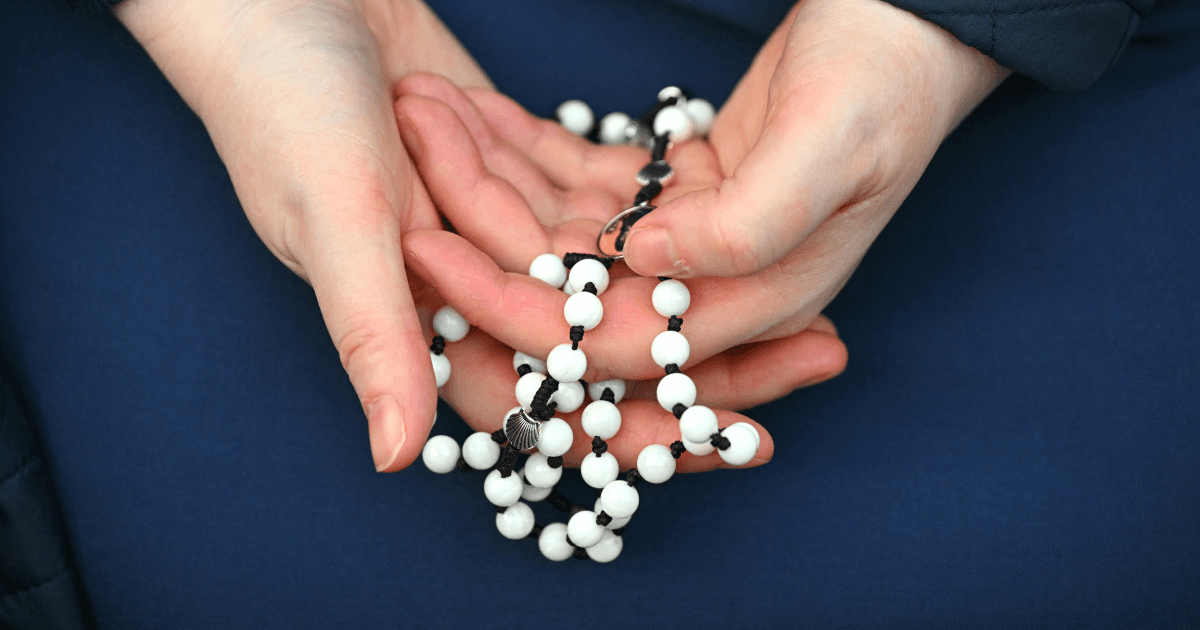 Newsroom
Thousands of Irish children to join global Rosary campaign
Corrie Douglas-Young Newsroom
TikTok priest urges young people to stand with persecuted Christians
Nathalie Raffray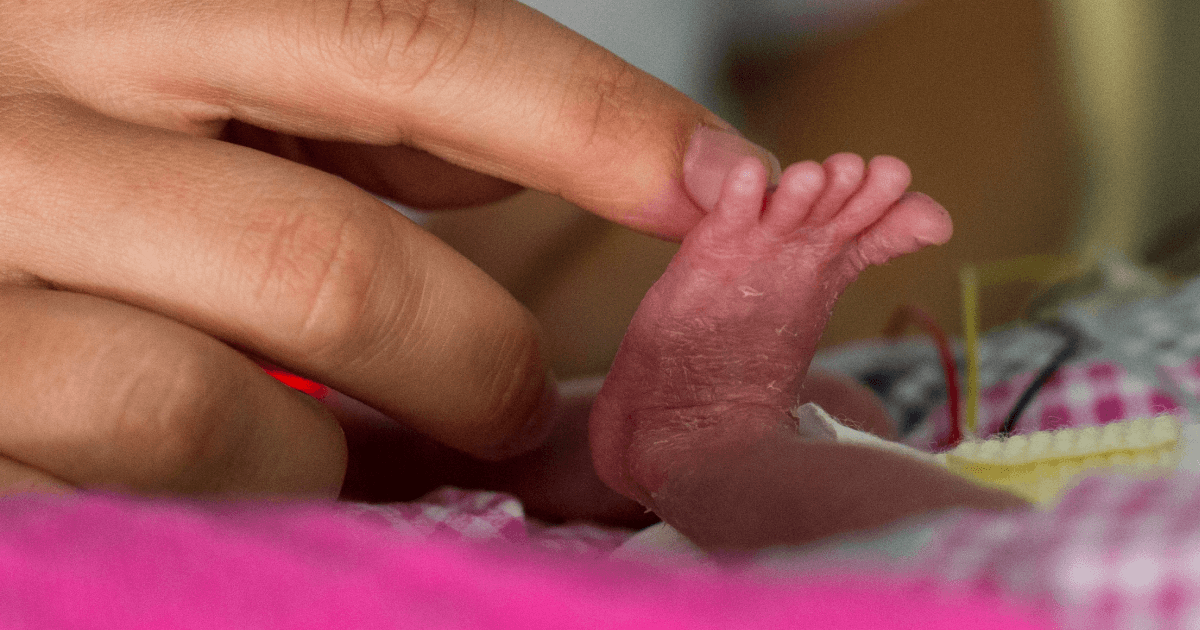 Newsroom
Baby born at 25 weeks reunites with neonatologist two years after leaving hospital
The Catholic Herald Newsroom
Joe Biden honoured by Planned Parenthood after defending abortion rights
Christine Rousselle
subscribe to the catholic herald today
Our best content is exclusively available to our subscribers. Subscribe today and gain instant access to expert analysis, in-depth articles, and thought-provoking insights—anytime, anywhere. Don’t miss out on the conversations that matter most.
Subscribe



