




Amedeo Modigliani has suffered from being turned into the classic one-trick pony of 20th-century art. During the 1970s era of Athena posters, myriad student rooms were adorned with his recumbent nudes, their geometrical faces echoing the African masks which helped to inspire his brief foray into sculpture. The signature impact of these figures has since tended to obscure the potency of his vision as a portrait painter, draughtsman and colourist in the classic tradition of his native Italy. Hence the value of Tate Modern’s current conspectus in emphasising the totality of Modigliani’s achievement. Passionately prolific he may have been, but this is not a blockbuster display. It opts instead for the high points in a career which, after all, lasted barely two decades. The artist’s unerring command of line, linked to his sculptural hankerings, is revealed in sketches of caryatids and dramatic figure drawings which transform women into mermaids or amazons. His palette’s sensitivity to changing light effects is emphasised by a sudden shift to something almost akin to pastel when the outbreak of the Great War sees him leaving Paris for the greater safety of a sunlit Riviera. An entire room is dedicated to his stone heads, not a false turning but a prelude to a new kind of monumental severity in his treatment of the model on canvas. How tonal subtleties made icons out of his various muses, combative Beatrice Hastings or elegant Hanka Zborowska, adds a further narrative thread to the show. Its documentary framework includes a virtual recreation of Modigliani’s studio and a video cleverly splicing together cinema footage from Belle Époque Paris. At first glance the city’s unique light effects stunned him. “My Italian eyes cannot get used to them” he claimed. Yet it is as an undoubted heir to the medieval Sienese and the Renaissance Venetians that the painter emerges from this latest exhibition. His portraits echo the grave-faced Madonnas of Duccio and Simone Martini, while the poses of his nudes hark back to Titian. France may have given Modigliani the impetus to work but Italy surely never let him go. Modigliani, at the Tate Modern, shows until April 2
12:00 PM
Fine arts: The artist who found Venice on the Seine
Jonathan Keates
2 min read



Already a subscriber? Sign in
5freearticles every month
Continue reading with a free account. No card needed.
- Five free articles every thirty days, on any device you sign in on
- The Catholic Herald newsletter, every morning
- Subscribe whenever you like for everything: every article and the magazine
Related articles
 Newsroom
Church leaders urge Drumcree dialogue: ‘Too much is at stake’
The Catholic and Church of Ireland Archbishops of Armagh have urged a renewed commitment to peace and reconciliation amid the Drumcree stand-off
Corrie Douglas-Young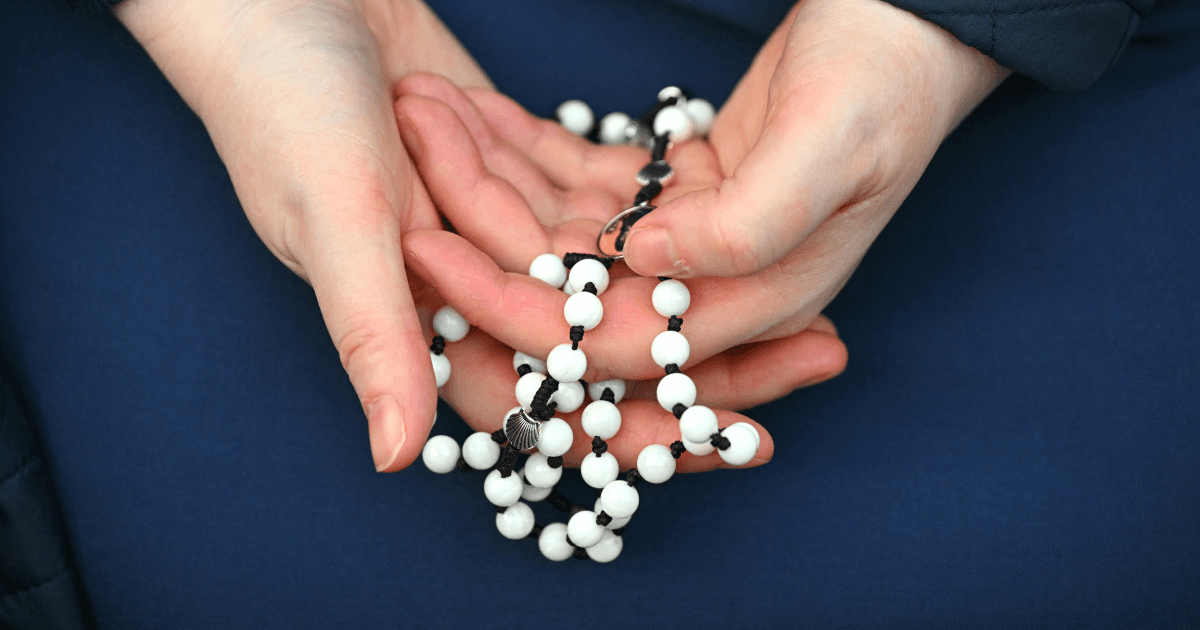 Newsroom
Thousands of Irish children to join global Rosary campaign
Corrie Douglas-Young Newsroom
TikTok priest urges young people to stand with persecuted Christians
Nathalie Raffray Newsroom
Baby born at 25 weeks reunites with neonatologist two years after leaving hospital
The Catholic Herald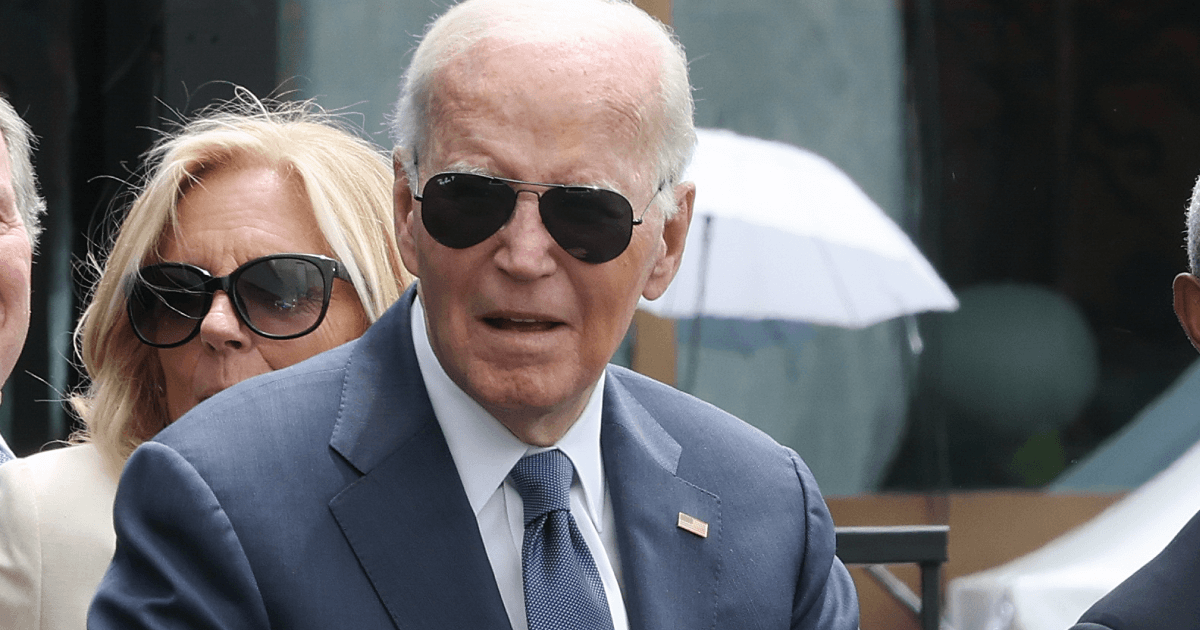 Newsroom
Joe Biden honoured by Planned Parenthood after defending abortion rights
Christine Rousselle
subscribe to the catholic herald today
Our best content is exclusively available to our subscribers. Subscribe today and gain instant access to expert analysis, in-depth articles, and thought-provoking insights—anytime, anywhere. Don’t miss out on the conversations that matter most.
Subscribe



