

While some leading prelates are calling for greater provision of the traditional Mass following the excommunication Decree on the Society of Saint Pius X bishops, four German dioceses have declined to offer more.
The Archdiocese of Cologne, and the dioceses of Regensburg, Hamburg, Passau, have all downplayed any suggestion that they would offer greater availability of the traditional Mass, following the Holy See’s call for Catholics to avoid liturgies celebrated by the SSPX.
The SSPX have regular Mass centres in all four dioceses, but according to CNA Deutsch, no change would take place. “The regulations of the letter Traditionis custodes of July 16, 2021, apply worldwide” and “the Archdiocese of Hamburg follows these regulations”, a spokesman said. “The rite is regularly celebrated by various priests at several locations within the Archdiocese of Hamburg. There are currently no plans to change this.”
Such lack of desire or impetus to change the availability of the traditional Mass was the case with each of the four dioceses. The Archdiocese of Hamburg added that “it is a small group of believers who regularly attend this form of Mass. Empirically, we have no evidence as to whether young people feel particularly addressed by it.”
In light of the SSPX’s episcopal consecrations and the penalty of incurred excommunication on the six bishops, as outlined in the Vatican’s decree, a number of bishops have increased their calls for a rollback of the restrictions on the traditional Mass contained in Traditionis Custodes.
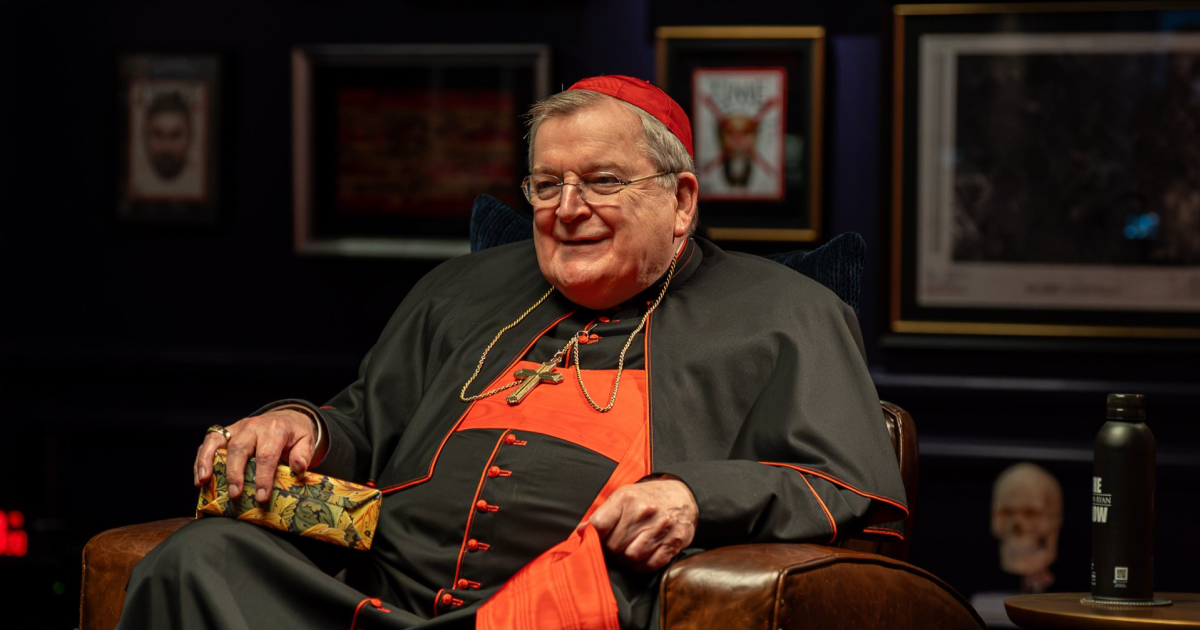
Cardinals Kurt Koch, Raymond Burke, and Gerhard Müller have led the way, while other prelates – including Pope Benedict’s former secretary Archbishop Gänswein – have also added their support to such a move.
“It’s simply so beautiful and the faithful have been nourished spiritually by this form of the Latin rite. This should be allowed freely,” Cdl. Burke stated just prior to the SSPX’s consecrations.
Certain countries have seen bishops take an even more direct response. Scotland’s Bishop Hugh Gilbert has just expanded provision of the traditional Mass in light of a Redemptorist congregation declaring themselves to be sede-vacantist.
Norway’s Bishop Frederik Hansen promised his diocese that he would offer more provision of the traditional Mass as needed, and Bishop Bishop Elias Ayuban Jr in the Philippines expressed similar openness to widen the offering of the old rite.
The Diocese of Sion, in which the SSPX’s international seminary at Écône is situated, had already responded to the consecrations by noting its “deep sadness and intense concern”. The local ordinary, Bishop Jean-Marie Lovey, attested that the SSPX’s action “reflects rather a refusal of the world than a fidelity to the Gospel”.
As demonstrated by the opposing stance of such bishops responding to the SSPX’s consecrations, the Holy See increasingly finds itself in a position where it must act more precisely to the liturgical question.
There is a sense amongst many that the Vatican should respond in a manner similar to that of the SSPX consecrations in 1988, and liberalise the offering of the traditional Mass. Indeed New York canonist Father Gerald Murray stated last week that if Pope Leo is serious about implementing peace and unity in the Church then “tell the Pope it’s time to derestrict the traditional Latin Mass”.
“If you’re going to tell Catholics not to attend SSPX Masses and other sacraments, then pastoral charity demands that you make available to those people legitimate places to go”, he commented to Raymond Arroyo.
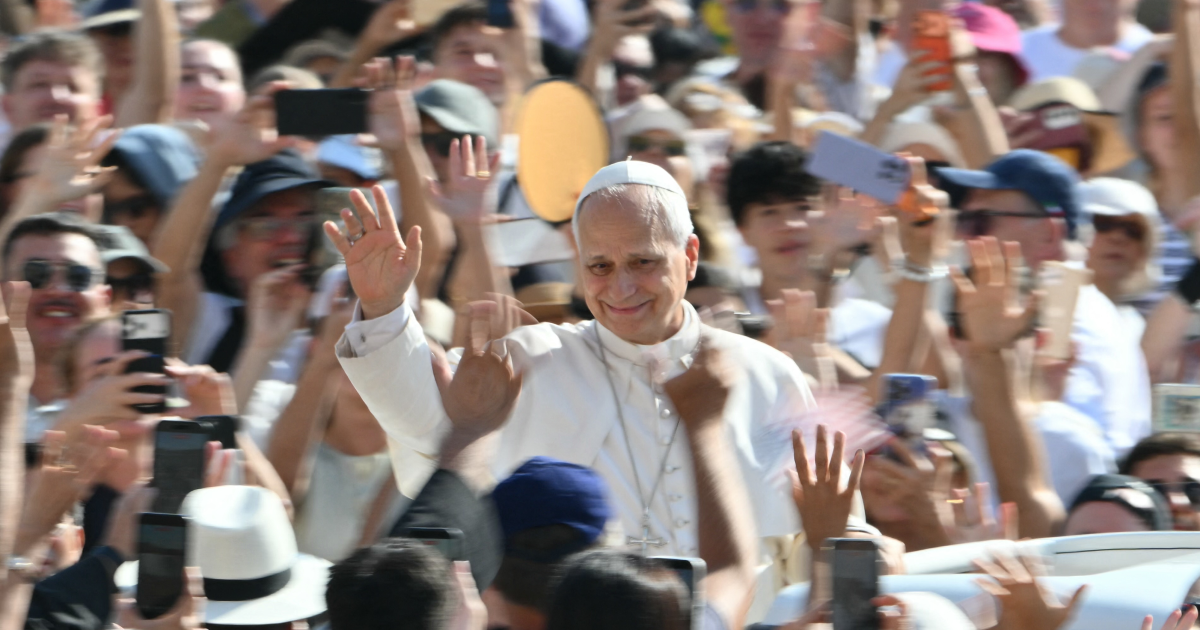
While Leo XIV has met with a number of prominent advocates of the traditional liturgy, and expressed a greater openness to its celebration in the Vatican, so far he has not indicated any formal change in policy regarding Traditionis Custodes. But the calls for him to do so are growing.
“I believe we should return to Summorum Pontificum, which the majority of bishops have viewed positively in terms of its impact on liturgical life in their dioceses,” Bishop Marian Eleganti OSB told me last week. “The so-called Vetus Ordo is today one rite among others and should be treated as such. It is not an expression of a backward-looking faith that rejects the liturgical reform and other documents of the Council.”
Traditionis Custodes marked its fifth anniversary on 16 July this year, but though the document attempted a clampdown on the old rite, it also thrust the traditional Mass into a new prominence. Liturgist and theologian Dr. Peter Kwasniewski told the Catholic Herald that the motu proprio “provoked a library full of apologetics from the traditionalist side that utterly dwarfs and defeats the arguments for the conciliar reforms.”
“Pope Francis’s move has backfired more dramatically than perhaps any other papal act in history,” he opined.
Michael Haynes is an English journalist in the Holy See Press Corps. He serves as Vatican Correspondent for the Catholic Herald, while readers can follow him at Per Mariam and on X @MLJHaynes.