


February 12, 2026

Heretic of the week: Paul Tillich

Charles Coulombe
More
Related
Min read
share

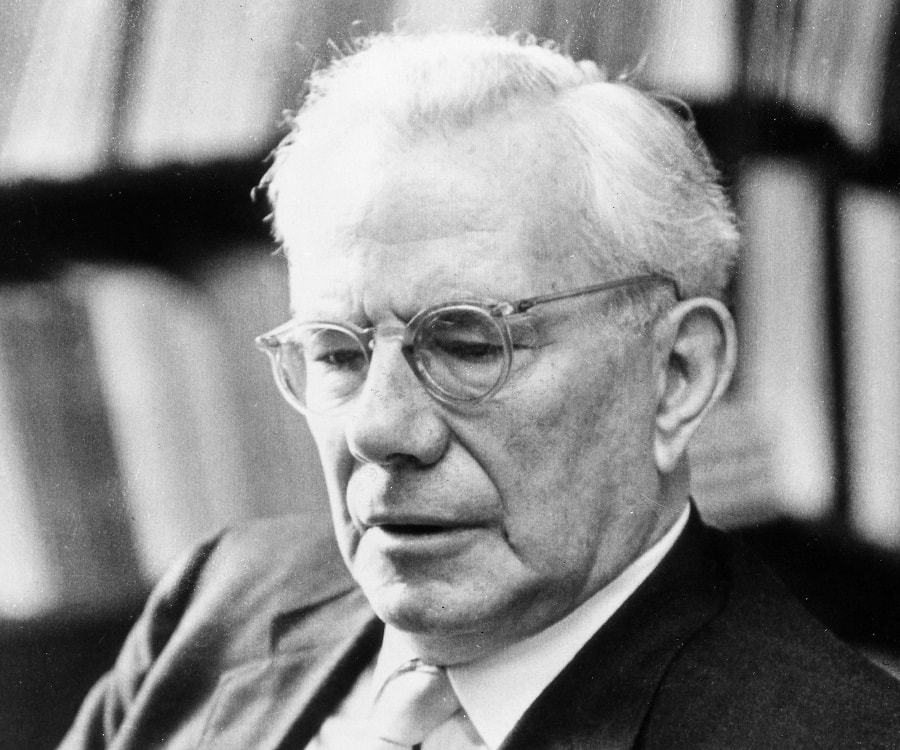
Paul Tillich (1886-1965) was born to a minister of the Prussian State Church in what is now Poland. He and his family moved to Berlin when he was young, and he studied successively at the universities of Berlin, Tübingen and Halle-Wittenberg.  

Receiving his Doctor of Philosophy at the University of Breslau in 1911, Tillich was awarded his Licentiate of Theology at Halle-Wittenberg and was ordained the following year. He served as a German army chaplain in World War I, and taught theology at various German universities until 1933, when conflict with the Nazis led to him accept a position at the Union Theological Seminary in New York, where he did much of his most important work and would stay until 1955. 
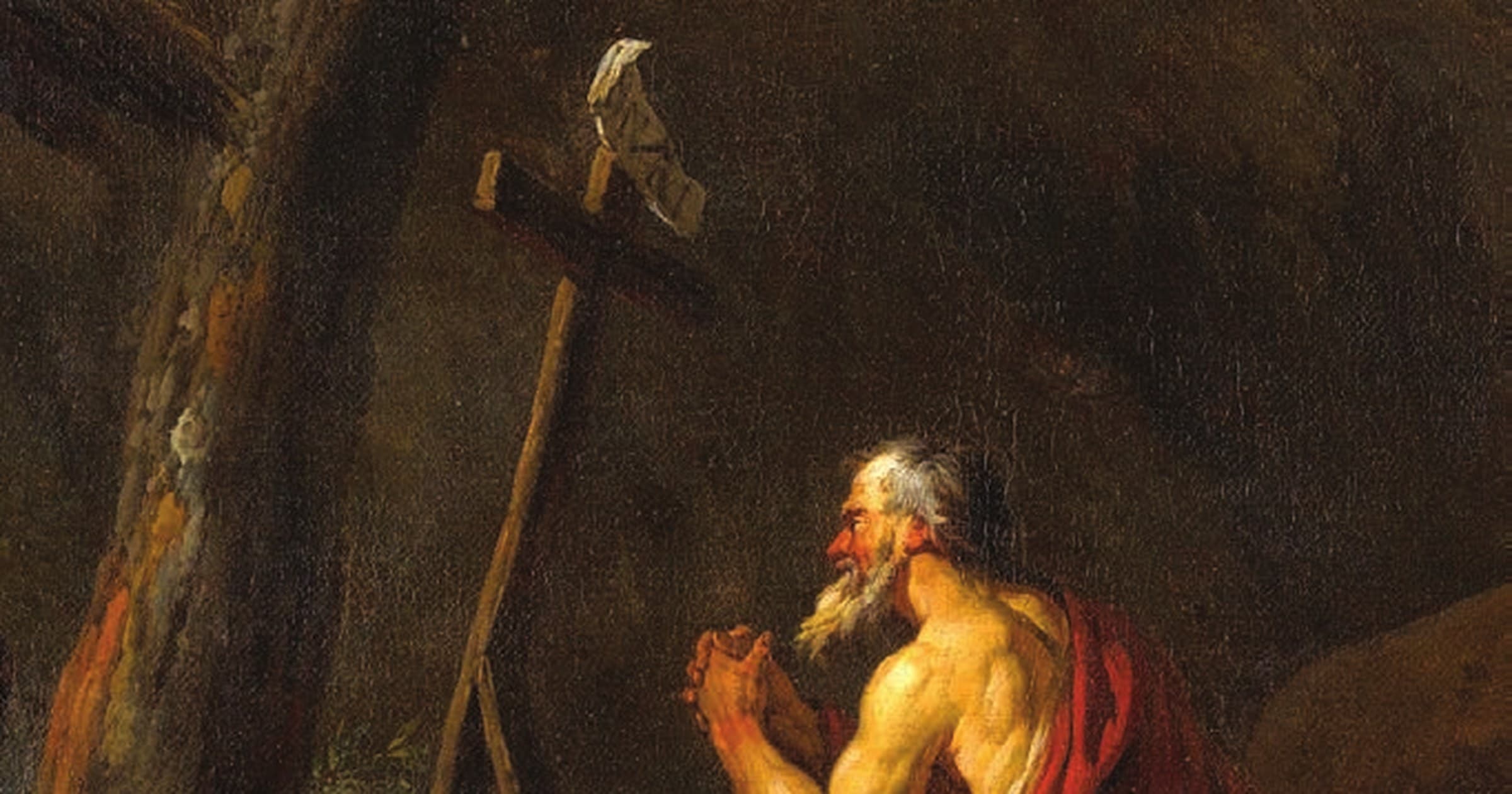
Ensconced in the United States, he developed his thought, which was an attempt to merge existentialism, Marxism and Protestant theology.  

In 1951 he published the first volume of his Systematic Theology and followed it up the next year with The Courage to Be. These won him a great deal of acclaim with the Protestant theological establishment in the US, as well as a position at Harvard Divinity School. Tillich taught that God cannot be conceived of as a personal being, per se, but is completely transcendent – Tillich rejected theism completely. His moral teachings were reflected in his own life, in that he and his second wife had what is euphemistically called an “open marriage”.  

Despite these theological and moral issues – or perhaps because of them – Tillich was hailed as the greatest American theologian of his era. As the Library of Living Theology swooned: “The adjective ‘great’, in our opinion, can be applied to very few thinkers of our time, but Tillich, we are far from alone in believing, stands unquestionably amongst these few.” 

Paul Tillich (1886-1965) was born to a minister of the Prussian State Church in what is now Poland. He and his family moved to Berlin when he was young, and he studied successively at the universities of Berlin, Tübingen and Halle-Wittenberg.  

Receiving his Doctor of Philosophy at the University of Breslau in 1911, Tillich was awarded his Licentiate of Theology at Halle-Wittenberg and was ordained the following year. He served as a German army chaplain in World War I, and taught theology at various German universities until 1933, when conflict with the Nazis led to him accept a position at the Union Theological Seminary in New York, where he did much of his most important work and would stay until 1955. 
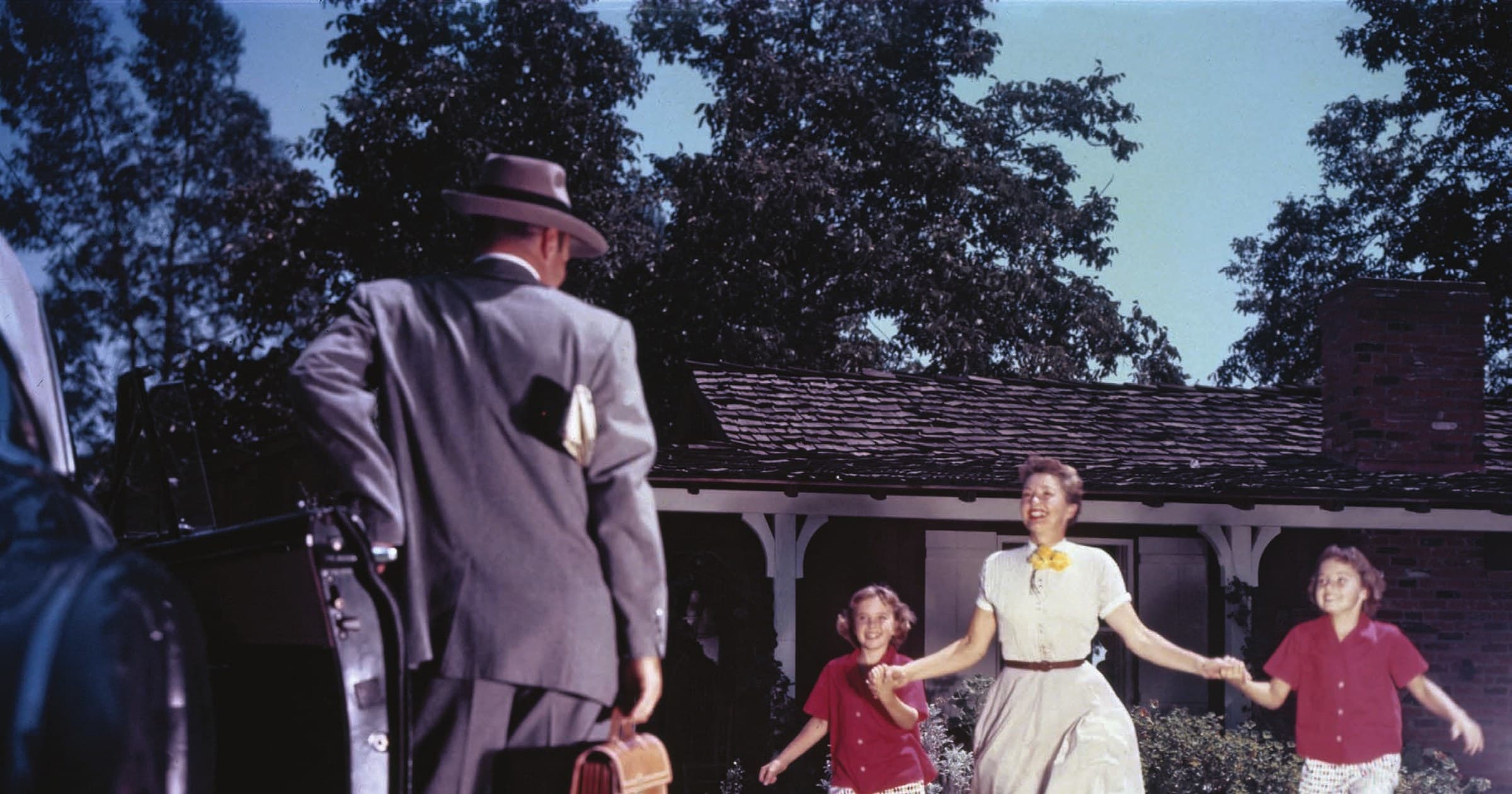
Ensconced in the United States, he developed his thought, which was an attempt to merge existentialism, Marxism and Protestant theology.  

In 1951 he published the first volume of his Systematic Theology and followed it up the next year with The Courage to Be. These won him a great deal of acclaim with the Protestant theological establishment in the US, as well as a position at Harvard Divinity School. Tillich taught that God cannot be conceived of as a personal being, per se, but is completely transcendent – Tillich rejected theism completely. His moral teachings were reflected in his own life, in that he and his second wife had what is euphemistically called an “open marriage”.  

Despite these theological and moral issues – or perhaps because of them – Tillich was hailed as the greatest American theologian of his era. As the Library of Living Theology swooned: “The adjective ‘great’, in our opinion, can be applied to very few thinkers of our time, but Tillich, we are far from alone in believing, stands unquestionably amongst these few.” 

subscribe to
the catholic herald

Continue reading your article with a subscription.
Read 5 articles with our free plan.
Subscribe

subscribe to the catholic herald today

Our best content is exclusively available to our subscribers. Subscribe today and gain instant access to expert analysis, in-depth articles, and thought-provoking insights—anytime, anywhere. Don’t miss out on the conversations that matter most.
Subscribe