



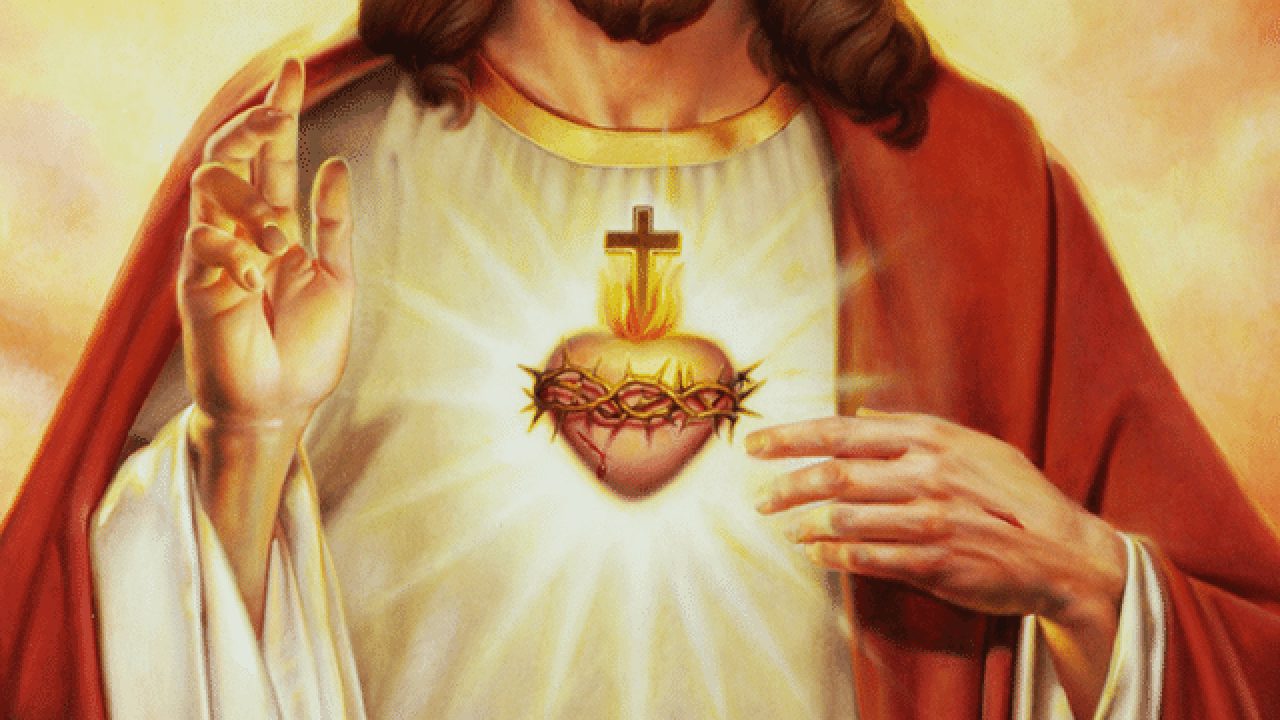
We can be tempted to think of Gregorian chant as a fixed canon, handed down since time immemorial, unchanging like the Faith. But it is good to remember that over history chant has been subject to much change, whether in its composition, liturgical use or performance. For example, when a new feast arises in the Church, where do the chants to celebrate it come from? They can be taken from other feasts, newly composed, or something in between: putting new words to an ancient tune or combining bits of different tunes to make a new one. A good example of this is the Feast of the Sacred Heart: there have been four different sets of Mass chants in use since it was first celebrated in 1672, and it was not until 1929 that the set of chants we use today was finalised. St John Eudes, who composed the first Mass of the Sacred Heart in 1670, used several methods for making his Mass chants, adapting the common Introit "Gaudeamus", borrowing his Alleluia "Paratum" from a Sunday Mass and creating his own unusual non-Biblical Communion text. In 1929, the creators of the latest Mass put their chants together similarly, working with pre-existing melodies to make something new but rooted in tradition. In doing this they created links between the new chants and pre-existing ones which can resonate with the attentive singer or congregant. Particularly striking is the 1929 Communion chant. The text is:
1:35 PM
How chant helps us appreciate the Sacred Heart
Matthew Ward

3 min read



Already a subscriber? Sign in
5freearticles every month
Continue reading with a free account. No card needed.
- Five free articles every thirty days, on any device you sign in on
- The Catholic Herald newsletter, every morning
- Subscribe whenever you like for everything: every article and the magazine
Related articles
 Newsroom
Church leaders urge Drumcree dialogue: ‘Too much is at stake’
The Catholic and Church of Ireland Archbishops of Armagh have urged a renewed commitment to peace and reconciliation amid the Drumcree stand-off
Corrie Douglas-Young Newsroom
Thousands of Irish children to join global Rosary campaign
Corrie Douglas-Young Newsroom
TikTok priest urges young people to stand with persecuted Christians
Nathalie Raffray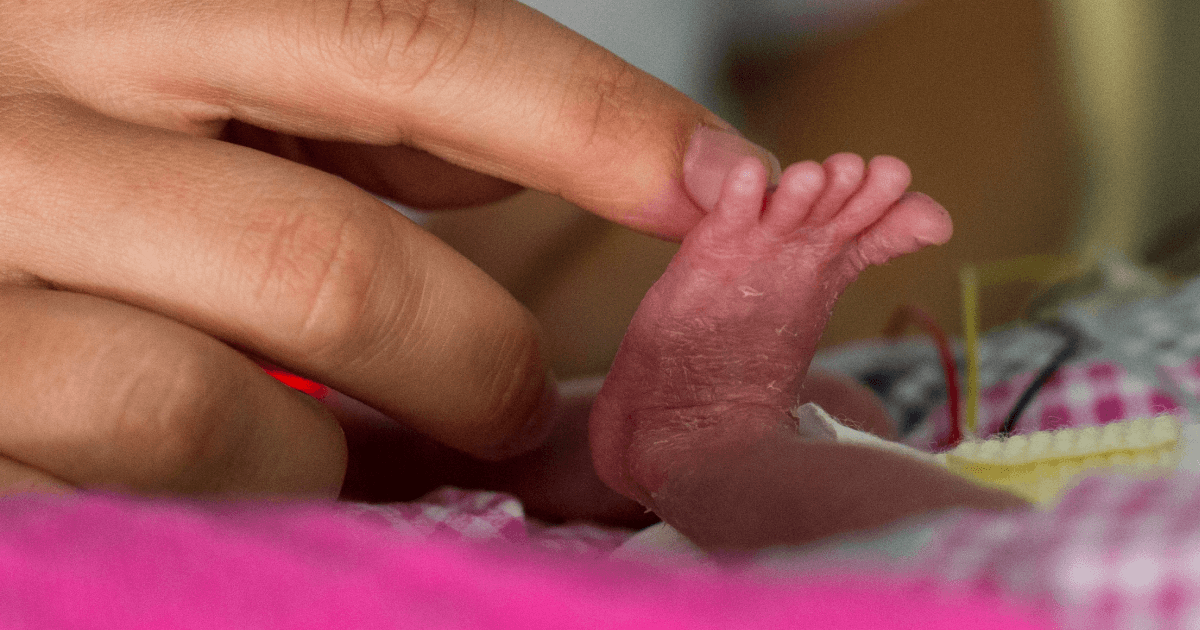 Newsroom
Baby born at 25 weeks reunites with neonatologist two years after leaving hospital
The Catholic Herald Newsroom
Joe Biden honoured by Planned Parenthood after defending abortion rights
Christine Rousselle
subscribe to the catholic herald today
Our best content is exclusively available to our subscribers. Subscribe today and gain instant access to expert analysis, in-depth articles, and thought-provoking insights—anytime, anywhere. Don’t miss out on the conversations that matter most.
Subscribe



