


Since the earliest centuries, the Church in Rome has celebrated special days of fasting spread over the year, the ‘Ember Days’. They are today a feature of the calendar of the Extraordinary Form, although they are not found in the Universal Calendar of the Ordinary Form. They are also found in the Calendar of the Ordinariate of Our Lady of Walsingham, having been preserved in Anglican usage over the centuries. The origin of the term English term ‘ember’ is unclear; it may derive from the Old English ‘ymbren’, meaning a circuit or revolution. Other European languages use some version of the Latin term, ‘Quatuor tempora’, ‘four times’. These celebrations may have been brought to England by St Augustine of Canterbury, and seem to have become established here before they spread from Rome to France and elsewhere. The days consist of Wednesday, Friday, and Saturday of a particular week. The weeks are the last full week of Advent (associated with St Lucy’s feastday, 13th December), the first full week of Lent (that is, after Ash Wednesday), the week following Pentecost, and a week after the Feast of the Exaltation of the Cross (14th September). (This was adjusted to fall slightly later in 1960: since then the Ember Wednesday falls between 18th to 24th September.) Their dates can be remembered by this old mnemonic:
10:36 AM
How observing the Ember Days can enhance your spiritual life
Ember days are a particularly ancient and rich part of the Church’s liturgical patrimony
Joseph Shaw


5 min read



Already a subscriber? Sign in
5freearticles every month
Continue reading with a free account. No card needed.
- Five free articles every thirty days, on any device you sign in on
- The Catholic Herald newsletter, every morning
- Subscribe whenever you like for everything: every article and the magazine
Related articles
 Newsroom
Church leaders urge Drumcree dialogue: ‘Too much is at stake’
The Catholic and Church of Ireland Archbishops of Armagh have urged a renewed commitment to peace and reconciliation amid the Drumcree stand-off
Corrie Douglas-Young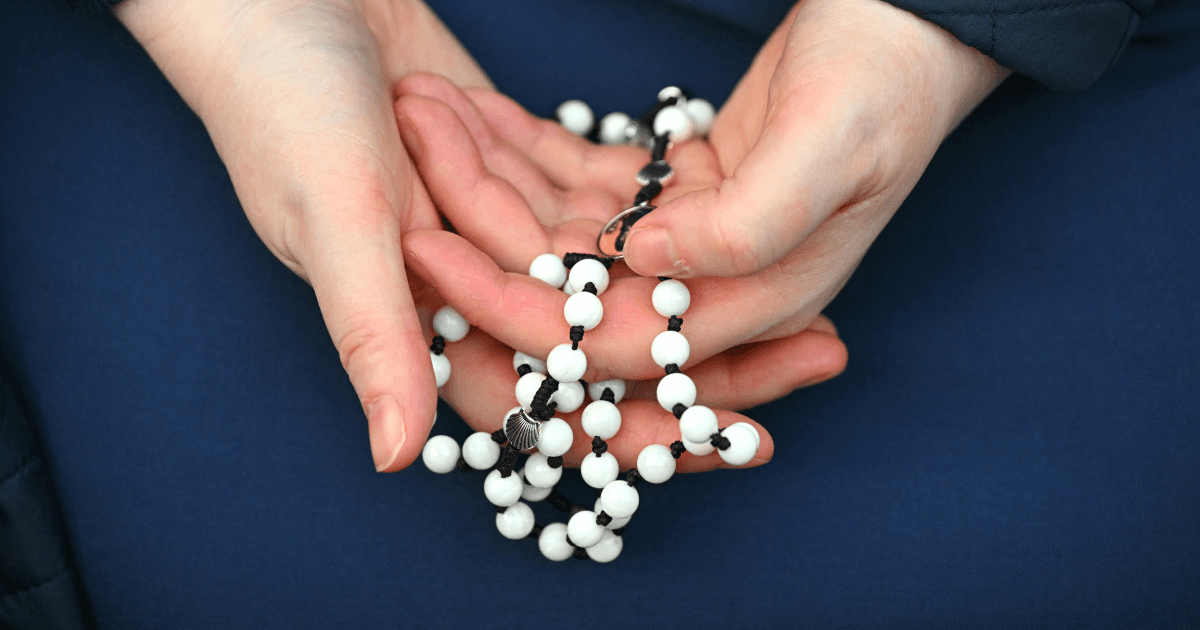 Newsroom
Thousands of Irish children to join global Rosary campaign
Corrie Douglas-Young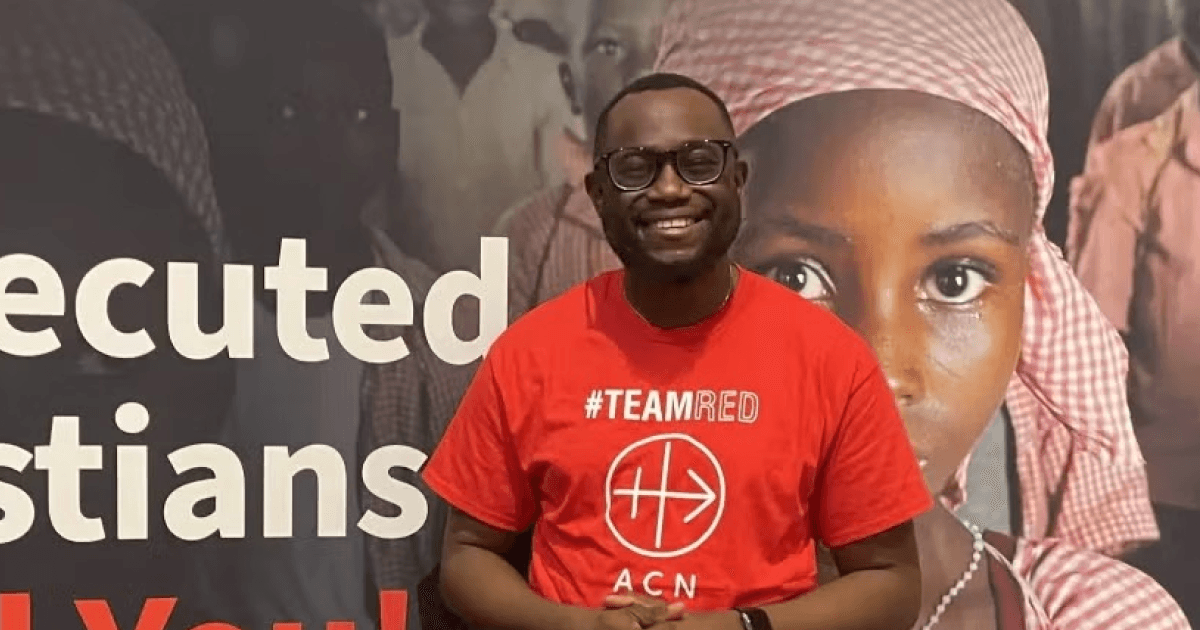 Newsroom
TikTok priest urges young people to stand with persecuted Christians
Nathalie Raffray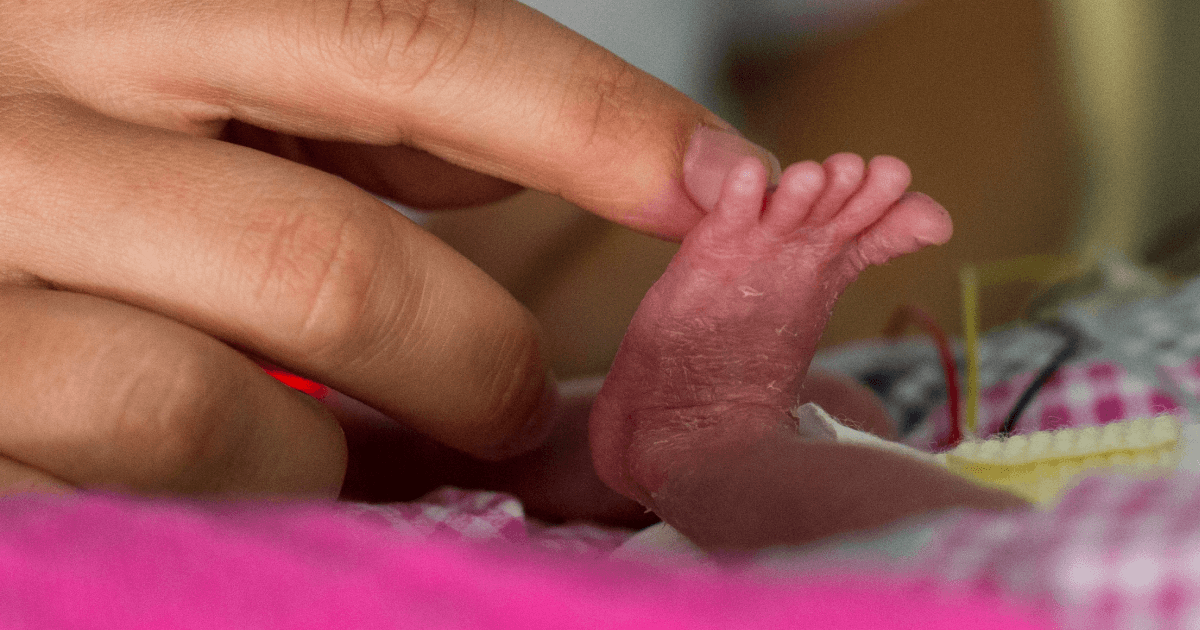 Newsroom
Baby born at 25 weeks reunites with neonatologist two years after leaving hospital
The Catholic Herald Newsroom
Joe Biden honoured by Planned Parenthood after defending abortion rights
Christine Rousselle
subscribe to the catholic herald today
Our best content is exclusively available to our subscribers. Subscribe today and gain instant access to expert analysis, in-depth articles, and thought-provoking insights—anytime, anywhere. Don’t miss out on the conversations that matter most.
Subscribe



