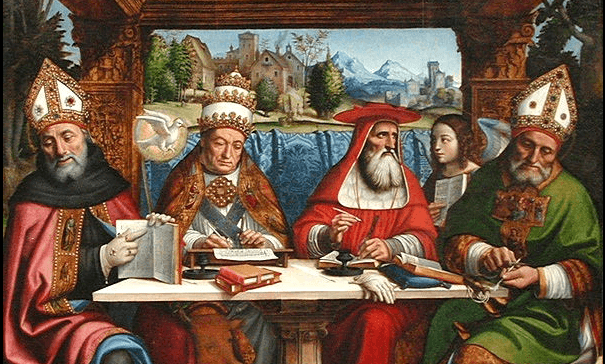



Anyone aspiring to become a Doctor of the Church requires an impressive CV. The official criteria are a major contribution to Christian thought (be it at the spiritual or lofty theological level), a hefty dose of sanctity, and formal recognition by the pope or a General Council. Thus far, the final nod of approval has always been left to the pope. The standard was set by the big four who were promoted during the 13th century: Saints Augustine, Ambrose, Jerome and Gregory the Great.
You don’t have to be an overly enthusiastic fan of Rome to get the job. During the 16th century four more easterly Doctors were granted the honour: John Chrysostom, Basil the Great, Gregory of Nazianzus and Athanasius. In 2015 St Gregory of Narek, a 10th-century member of the Armenian Apostolic Church, made the grade. And quite right, too. His Book of Lamentations tackles the toughest of issues: wanting to be perfect, knowing you are not, and realising how God can help to bridge the gap.