As we begin the tenth week of Ordinary Time, it is a good time to apply the spiritual equivalent of a tune-up. The afterglow of Easter and Pentecost has, by this time, worn off for most. What was a rich flavour has grown less tasteful, and keen enthusiasm has ebbed. The honeymoon period of Baptism is over, as I heard from a recent OCIA initiate.
If this has been happening to you, rest assured, there is a gift hiding in this season – one that is far more profitable than feeling good. God wastes nothing. Yes, this strain reveals the weakness of our love, but, like physical exercise, a muscle can only grow when it is pushed to its limit.
God does not wish for us to remain weak in our hearts. He longs for bold saints who would follow Him to the Cross. This is the time we get to rededicate ourselves to the ordinary work of Catholic life – especially if we do not feel like it. This is how we make holiness a habit. Here are a few things we can do to make loving God a choice this Ordinary Time.
If you are anything like me, there is a small chance you may have failed once or twice since Easter Sunday. Maybe more than a couple of times. There is great news: believe it or not, God had our weakness in mind when He saved us and gave the Sacrament of Confession as our way to begin again when we have failed.
Confession can feel overwhelming, especially if you are one of the many newly baptised this Easter. Rest assured, Confession is not a place of judgement, not unless you count your own. Confession is the place where you get to judge yourself like the prodigal son and say: “Yes! I am guilty.”
Your faults are like wounds you inflict on yourself. Be quick to accuse yourself of fault in Confession – as quick as you would be to show a broken leg to a doctor. If a loved one broke a bone, you would think them very foolish to avoid the doctor out of shame.
Be unashamed. Boldly seek the Lord in Confession and be healed. If only once a month is available, that is a fine starting place, but not less frequently. In general, it is easier to recall sins if no more than a week has passed between visits.
If this Ordinary Time is a time for exercising our wills, then we should not neglect our nutrition. The Eucharist is given ever so generously by Our Lord for us to approach Him. We would be remiss if we approached the Lord’s table no more than once a week. Here you will find Love Himself, the Word made flesh.
Do not neglect Mass. If there are simply no Masses available other than on Sunday, then at least attempt to make a Spiritual Communion once per day. Especially if your initial zeal is waning, make use of this spiritual sustenance.
Our affections are affected by our choices, particularly what we choose to focus on. The Lord has given us 24 hours in the day – what of that is given back to Him?
Chesterton wrote that when we exercise temperance, we show gratitude. We say thank you for alcohol by not drinking too much of it. How better to say thank you for these 24 hours than to give some part of them back to God in prayer?
This is essential if we are to make proper use of this season. We cannot regulate our relationship with God to Sunday. No relationship could survive so acute a strain – perhaps God could, but only because His patience with our folly is endless.
No, daily we must make the effort to meet with God. He has made us, given us every good thing, and asks that we get to know Him. Lest we forget, God is perfect in Himself – He gains nothing from our friendship. He offers it because we gain everything from it.
Make it a daily habit to set aside some time – maybe only 10 minutes to begin with – to meet with God and share your life with Him.
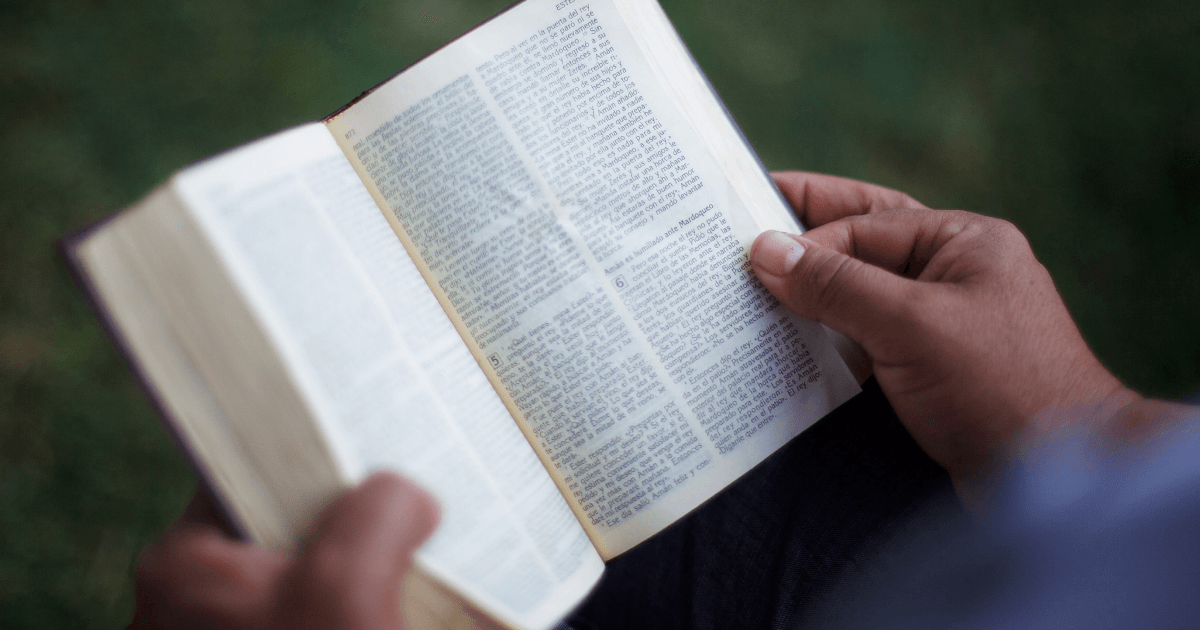
We also wish to hear what God would share with us. Along that line, I have found it indispensable to have a book of spiritual reading. This is especially helpful when periods of spiritual dryness persist.
I have found the works of St Josemaría Escrivá and My Daily Bread very beneficial personally. Above all else, sacred scripture is the best source of spiritual reading – particularly if you have a copy with detailed explanations, such as the Ignatius Catholic Study Bible.
The last thing that I would add is that our Catholic Faith is decidedly not an isolated endeavour. We need the community of like-minded men and women who will encourage the habits that lead us to holiness.
If a parish lacks community, there are Catholic events such as the We Believe Festival, the Chartres Pilgrimage, or any number of other apostolate gatherings.
There is a great danger in growing tepid. We must resist lukewarmness and avoid succumbing to the doldrums of ordinary Catholic life. We must make holiness a habit – through the sacraments, through daily prayer, through holy writings, and through the men and women God has given us as fellow pilgrims on this journey.
Act manfully – seek the Lord while He may be found.

.png)

.jpg)
.png)
.png)
.png)