July 21, 2026

Illinois bishop says SSPX are now ‘basically another Protestant sect’

Michael Haynes
More
Related
Min read
share

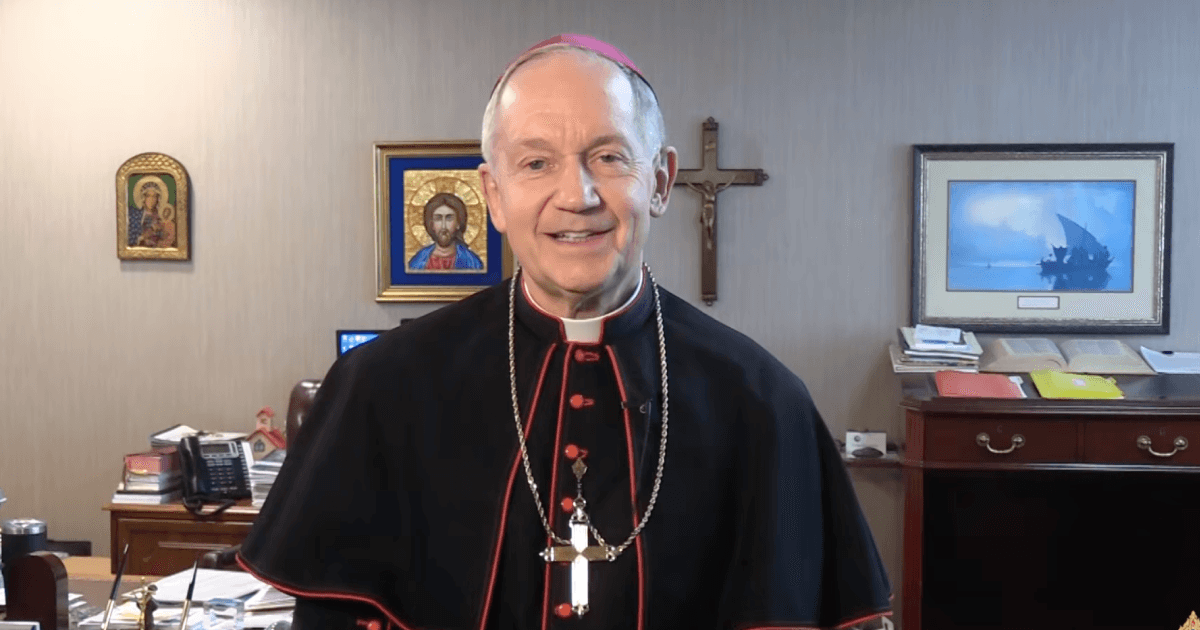
A prominent U.S. bishop has said the Society of Saint Pius X is now “basically another Protestant sect” due to their consecrating bishops in defiance of the Pope.  

“The main problem with the SSPX is their rejection of the doctrinal teachings of the Second Vatican Council and their defiance of Papal authority.” Such was the underlying theme of Bishop Thomas Paprocki’s recent message regarding the SSPX, in light of the 1 July episcopal consecrations.  

Paprocki is known for his unassuming defence of traditional Catholic morality, something which has over time put him in juxtaposition to other members of the U.S. episcopate. As bishop of Springfield since 2010, he has become one of the most consistently outspoken American prelates on issues such as abortion, LGBT, and also opposed the mandating of COVID-19 injections – all issued which the SSPX would agree with him on.  
But this overlapping in views did not extend to agreement on the matter of the 1 July episcopal consecrations.  

Paprocki strongly urged Catholics in his diocese not to attend SSPX liturgies, warning also that the Confessions and Marriages would be “invalid”. This point is something which has instigated debate among canonists, with many arguing that since Pope Francis directly gave approval to the SSPX for those two sacraments, then only Leo can remove it, something which he has not done.  

But the Springfield bishop appeared to draw a hard line when it comes to SSPX ceremonies, going even further than the Holy See’s own documents on the issue of attendance. “Obviously, faithful Catholics should not attend SSPX Masses,” he said. “While a person who happens to attend an SSPX Mass would not be automatically excommunicated, doing so may be said to be like playing with fire.”

There is no issue with the traditional Mass, said Paprocki, but rather the stance of the Society regarding the Second Vatican Council. “The problem with the SSPX is not that they celebrate the Traditional Latin Mass”, but their “rejection of the doctrinal teachings of the Second Vatican Council and their defiance of Papal authority”.

The bishop referenced both the SSPX’s Profession of Faith and the response given by the Notary during the episcopal consecration as evidence of the Society’s “rejection” of Vatican II.

“By disobeying the pope and rejecting the teachings of the Second Vatican Council, the Society of St. Pius X is now basically another Protestant sect that thinks they are right and the pope is wrong,” he said.  

“Protestantism”, he continued, “is an exhausted project and its continued existence is a scandal. To say that Protestantism is an exhausted project simply means that it has run its course.”

In Paprocki’s assessment, “the continued proliferation of Protestant denominations is not reforming the Church, but is dividing the Church.”

The SSPX has rejected designations of the group as anything other than Catholic. In a theological essay published on the Society’s website on 9 July, the Society argued that: “The SSPX remains fully a work of the Church. Its clergy and faithful are entirely Catholic and in no way excommunicated. Its priests and bishops administer the sacraments validly and licitly.”

However since then, the SSPX has begun the formal process of initiating a canonical procedure to protest against the Decree of excommunication on the six bishops. No precise details were given by the Society regarding who signed their appeal to Rome, nor the specific request made, but it is believed that they will be reiterating their former argument that the excommunication is unjust given the state of necessity which they cite.  

The very fact of the Society’s appeal is notable in that it would appear to imply an acceptance of the validity of the penalties incurred, since the SSPX is choosing to engage in the formal, canonical process to lift those same penalties. Notably, after the 1988 consecrations, the SSPX did not perform such a step, with Archbishop Marcel Lefebvre citing canons 1323 and 1324 as exculpating him from the exacting penalty of excommunication.  

Yet the SSPX have also argued after the consecrations that the penalties against them are both unjust and invalid. Given thatthe Holy See will be looking for a change of stance from the bishops if it is to lift the Decree of excommunication, it is thus unlikely that the SSPX’s appeal will change anything if they argue against the licit of the excommunication.  

Michael Haynes is an English journalist in the Holy See Press Corps. He serves as Vatican Correspondent for the Catholic Herald, while readers can follow him at Per Mariam and on X @MLJHaynes.

Continue reading with a free account

Create a free account to read up to five articles each month
Create free account

You have # free articles remaining this month.

Subscribe to get unlimited access.
Sign up

subscribe to the catholic herald today

Our best content is exclusively available to our subscribers. Subscribe today and gain instant access to expert analysis, in-depth articles, and thought-provoking insights—anytime, anywhere. Don’t miss out on the conversations that matter most.
Subscribe