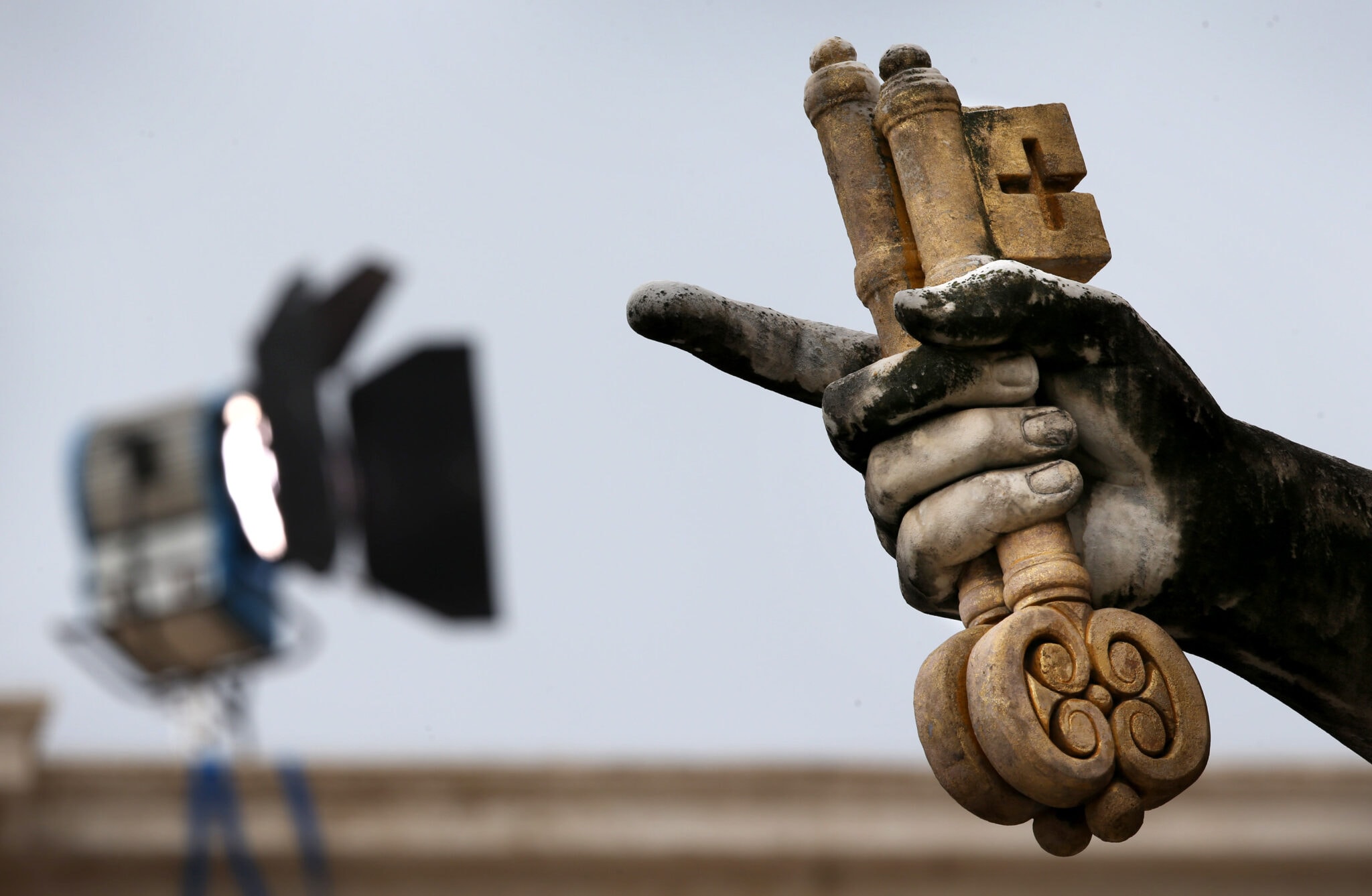




Among the many wonderful paradoxes of Catholic faith, practice and history is that now-canonised saints did not always act so saintly. From St Monica’s alcoholism to St Athanasius’s irascibility to St Jerome’s chronic ill-temper, the tradition is replete with examples of inconstancy. It is perhaps not an accident that the earliest example of this phenomenon is St Peter himself. This rock upon whom the Church is built was as often an example of fickleness as steadiness.
The Gospel of St Mark is often attributed to a young companion and protégé of St Peter. Thus Mark is considered the closest to Peter’s own account of the life of Jesus. In the ninth chapter of the gospel, a man brings his demon-possessed son to Jesus in the hope that the boy will be healed. When the demon seizes his son, the man explains, it causes him to foam at the mouth, gnash his teeth, and go into rigid convulsions. The demon has attempted to kill the boy by both drowning and immolation.