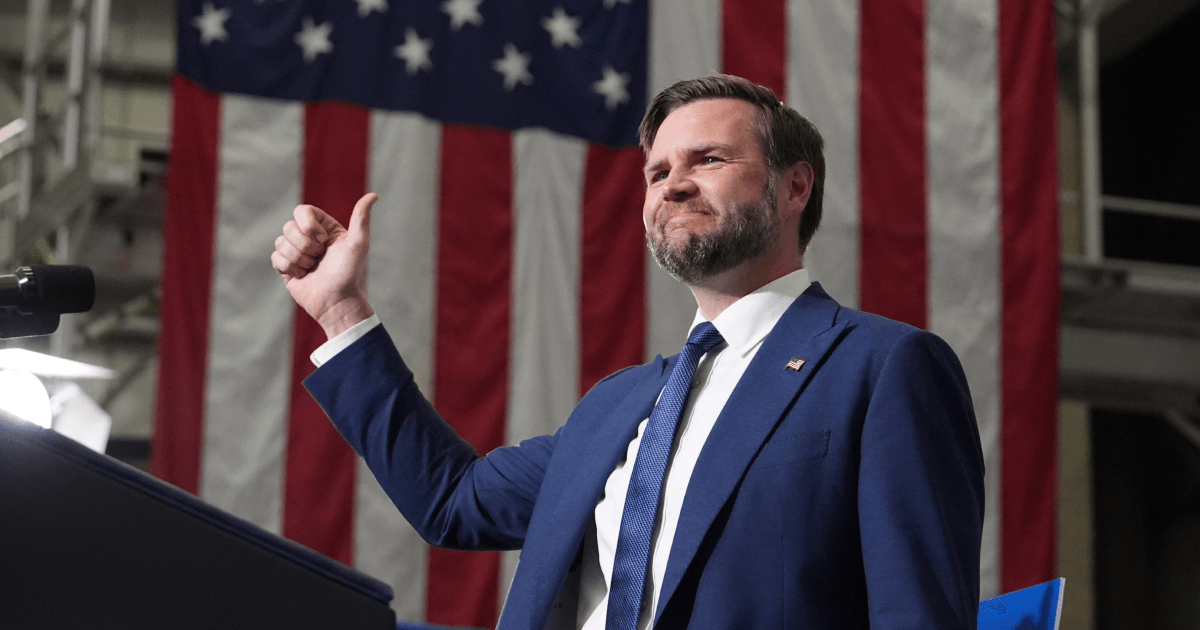



Catholic social teaching offers humanity an opportunity to recover a more fully Christian approach to politics, Vice President JD Vance has said.
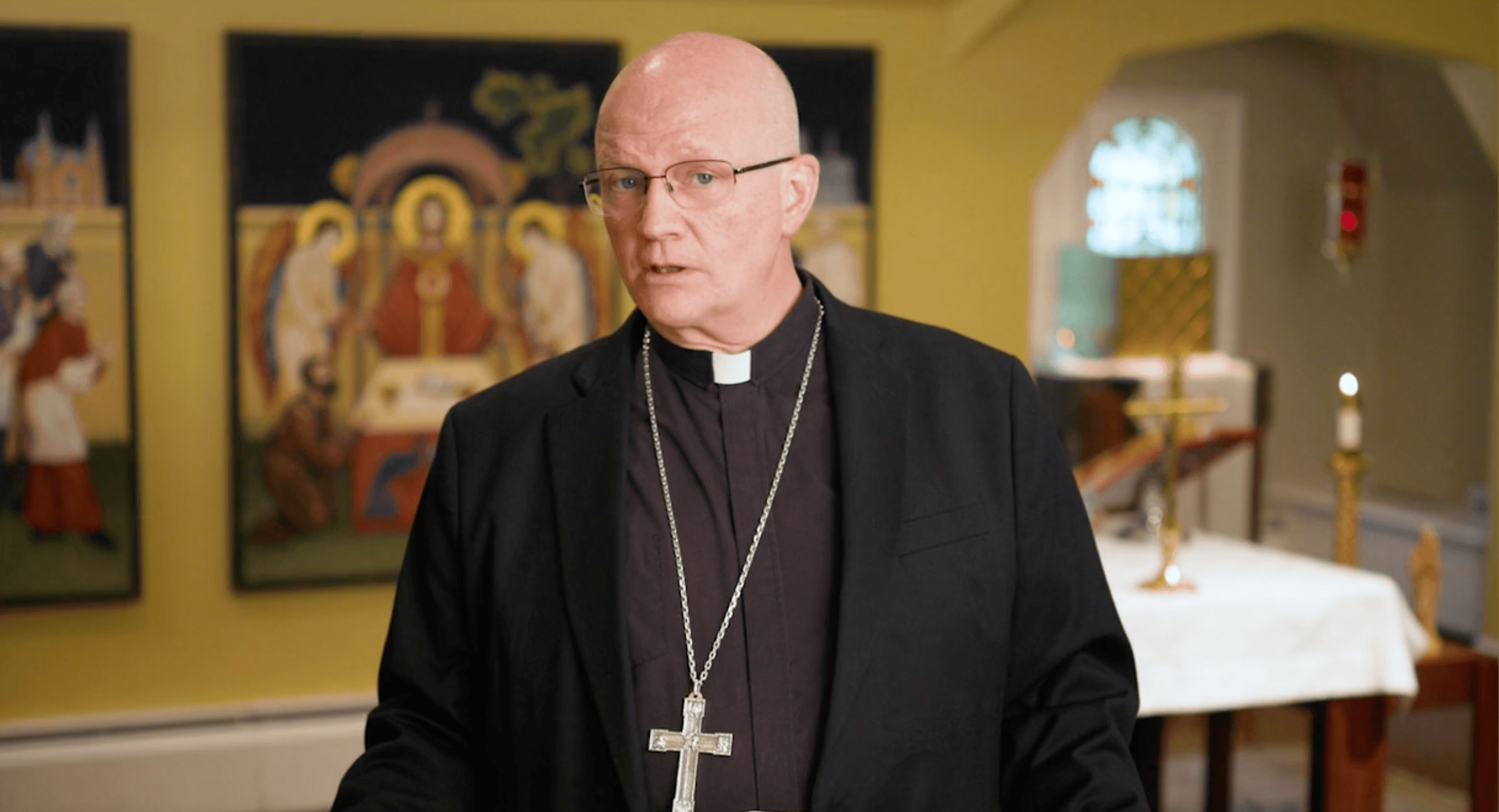
Vance made the remarks during the July 17 episode of Bishop Barron Presents: Conversations at the Crossroads, hosted by Bishop Robert Barron. Barron is Bishop of Winona–Rochester, Minnesota, and founder of Word on Fire.
The pair discussed Vance's conversion to Catholicism, political philosophy and the role the Church can, and should, play in American public life.
Referring to the Church's teaching on the universal destination of goods, Vance argued that it is sometimes incorrectly dismissed as “Marxist”.
“Well, and that's again back to the point of the devil being a deceiver. One way to try to turn people's minds off of very traditional and I think ultimately true Christian teaching is to name it as something else,” he said.
While Catholics reject Marxism, Vance said, “there are ideas that are very not-Marxist, but are also extremely Christian, about the universal destination of goods that we have to contend with.”
He argued that there should be “a kind of balance” between promoting economic growth and ensuring that everyone has an opportunity to “get their piece of the pie, so to speak”.
“One of the things that I liked, and one of the things that, more importantly, spoke to some deep part of me about the Catholic social teaching, is this idea that Jesus Christ does not confine himself to little spheres of your life. That if it's true, it has to be true everywhere,” Vance said.
Before his conversion to Catholicism, Vance said one of his frustrations was that “it sometimes felt like whenever Christians engaged in politics, we were very comfortable engaging with this or that social or cultural issue, but not anything else”.
Catholic social teaching, he continued, provides “an opportunity for us to rediscover a more fully Christian politics that says that, ‘actually, Jesus had opinions about all of these things. In fact, if you don't get all of it right, you risk getting the most important parts wrong.’”
A person's faith, Vance argued, cannot be confined to “narrow little slices of society or of culture or of your own life”.
As an atheist, he admitted, “part of me wanted to say God should be about God, and religion, churches should be about churches. Leave the politics to the politicians.”
But anyone who believes Jesus Christ is the Son of God and the source of all truth must ultimately conclude that such a separation is impossible, Vance said.
Jesus “actually has a lot to say about all parts of your life”, he said.