



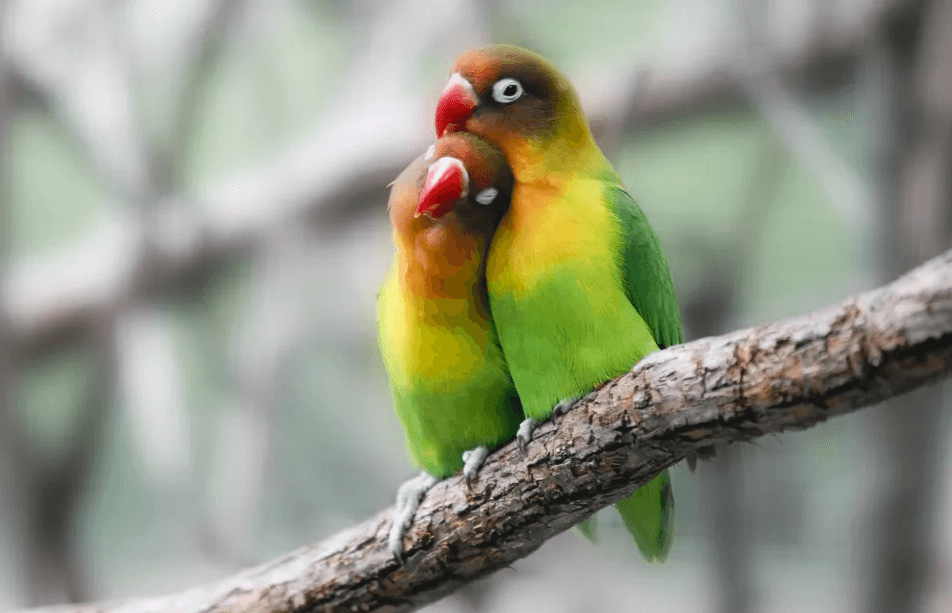
Since next week we mark the feast of St Valentine – a priest and physician in Rome whose cult came to be associated with love because of the traditional belief that birds pair up around this date – it might be entertaining to recommend phrases in Latin for those who go a-wooing. I regret that I know little Latin, but having grown up in an ambience where it was the language of faith, many Latin words have a familiar ring. Virgil, Horace, Juvenal, Catullus and Ovid wrote phrases that might well be suitable for those seeking to impress a swain or inamorata. Imagine receiving a Valentine’s card with words taken from Virgil: “Omnia vincit amor: et nos cedamus amori.” (Love conquers all – let us, too, surrender to love.) Or, perhaps, choose Horace’s adage, which will surely be partly familiar: “Dum loquimur, fugerit invida aetas: carpe diem.” (While we are speaking, jealous time flies: seize the day.) Yes, that “carpe diem” has been motto-ised in many a collection of quotations. Ovid, who wrote whole books on love and seduction, could also be invoked with his warning: “Militiae species amor est.” (“Love is a kind of war.”) Although some of his amorous counsel would not pass muster in our age of feminist sensitivity to consent: “Risit et argutis quiddam promisit ocellis.” (“She smiled and made a certain promise with her eyes.”) Sorry, Ovid, that wouldn’t stand up in a court of law today … Latin terms of endearment can be very charming: Ocelle (apple of my eye), Vita (my life), Verculum (my little spring chicken) and Melculum (my little honey). Responses to declarations of romantic devotion may well be positive, with love reciprocated “Omnino” (completely), “Studiose” (devotedly) “Dulciter” (sweetly), “Iocose” (playfully) or “Corpus Animaque” (body and soul). Though, alas, hearts may also be broken and the wooer rebuffed, too, with “In somnis!” (In your dreams!) or “Noli me tangere!” (Leave me alone.) Or with more gentle rejection: “Te amo, sed non deperire” ("I love you, but I’m not in love with you.”) Those disappointed in romance can always sing, with Gloria Gaynor, “I Will Survive” (Superabo), or, more mournfully, Numquam alterum te inveniam – “I’ll never find another you.” St Valentine was a Roman, so Latin surely fits his feast day.
1:30 PM
Latin is the true language of love
since next week we mark the feast of st valentine – a priest and physician in rome whose cult came to be associated with love because of the...
Mary Kenny

4 min read



Already a subscriber? Sign in
5freearticles every month
Continue reading with a free account. No card needed.
- Five free articles every thirty days, on any device you sign in on
- The Catholic Herald newsletter, every morning
- Subscribe whenever you like for everything: every article and the magazine
Related articles
 Newsroom
Isabel Vaughan-Spruce pleads not guilty to fresh charges over silent prayer
Isabel Vaughan-Spruce has pleaded not guilty to five fresh charges relating to silent prayer inside an abortion facility buffer zone, with her trial set for January 2027
Corrie Douglas-Young Newsroom
Canonisation cause of Irish First World War priest enters Roman stage
Corrie Douglas-Young Newsroom
Bishops condemn Scottish Greens’ up-to-birth abortion proposals
The Catholic Herald Newsroom
Christa Pike conscious and talking after botched execution attempt
Christine Rousselle Newsroom
Pittsburgh diocese warns faithful against unauthorised Traditional Latin Mass
Christine Rousselle
subscribe to the catholic herald today
Our best content is exclusively available to our subscribers. Subscribe today and gain instant access to expert analysis, in-depth articles, and thought-provoking insights—anytime, anywhere. Don’t miss out on the conversations that matter most.
Subscribe



