



John 8:1-11 1 Then everyone went home, but Jesus went to the Mount of Olives. 2 Early the next morning he went back to the Temple. All the people gathered round him, and he sat down and began to teach them. 3 The teachers of the Law and the Pharisees brought in a woman who had been caught committing adultery, and they made her stand before them all. 4 “Teacher,” they said to Jesus, “this woman was caught in the very act of committing adultery. 5 In our Law Moses commanded that such a woman must be stoned to death. Now, what do you say?” 6 They said this to trap Jesus, so that they could accuse him. But he bent over and wrote on the ground with his finger. 7 As they stood there asking him questions, he straightened himself up and said to them, “Whichever one of you has committed no sin may throw the first stone at her.” 8 Then he bent over again and wrote on the ground. 9 When they heard this, they all left, one by one, the older ones first. Jesus was left alone, with the woman still standing there. 10 He straightened himself up and said to her, “Where are they? Is there no one left to condemn you?” 11 “No one, sir,” she answered. “Well, then,” Jesus said, “I do not condemn you either. Go, but do not sin again.” Other readings: Isaiah 43:16-21; Psalm 126; Philippians 3:8-14 LECTIO This week we read another example of Jesus’s forgiveness and mercy. A woman has been caught in adultery. The Pharisees, knowing Jesus’s compassion for sinners, take this opportunity to try to trap him. Picture the scene. Jesus is teaching in the temple, the holiest place for the Jews, which Jesus described as “my Father’s house”. A crowd of people are gathered around listening to what he has to say. A group of Pharisees and teachers of the Law arrive and make a woman stand before Jesus and the crowd. They declare that she was caught in adultery and that the punishment required by the Law of Moses is death by stoning (Deuteronomy 22:22-24). Then comes the loaded question: “Now, what do you say?” They pretend to accuse only the woman, but they are actually looking for a chance to accuse (and try) Jesus. The man with whom she was committing adultery is not mentioned, nor is her husband. The atmosphere must have been electric. It was quite literally a matter of life and death. All eyes shift from the woman, whose life hangs in the balance, to Jesus. What will he say? Jesus bends down and writes on the ground. What did he write? Why? Perhaps Jesus wanted to draw attention away from the terrified woman, perhaps he was considering his answer. John gives no explanation. Jesus’s answer is masterful. He is well aware of the intended trap. He silences the accusers without contradicting the Law or condoning the sin. The woman is eventually left on her own before Jesus. As he was without sin he could have carried out the punishment, but he tells her she is free to go. He wants to give her the opportunity to repent and tells her not to sin again. MEDITATIO Compare the way the Pharisees treated this woman with the way Jesus treated her. Consider their actions and motives. How did they differ? Were there any points of agreement? Imagine yourself first as one of the Pharisees, then as this frightened woman. What impact do you think this encounter would have had on you? What can we learn from this passage about our attitudes to our own behaviour and our attitudes to others? ORATIO Thank God for his grace and mercy. He knows our weaknesses and when we sin we can come to him to be forgiven and restored. Ask God to deepen your appreciation of these wonderfully undeserved gifts. Pray through Psalm 126 and give thanks for “What marvels the Lord has worked for us!” Ask the Holy Spirit to reveal any attitudes in you that should change. CONTEMPLATIO Consider the images of water in Isaiah 43 and Psalm 126. Let God reveal its life-sustaining, refreshing and cleansing properties. Now relate this to God’s forgiveness and grace in your life. Lectio divina is an ancient tradition of reading and engaging with God’s Word. These outlines for the Sunday Gospel readings are published by the Bible Society. Download at Biblesociety.org.uk/lectio. © 2008 United Bible Societies. Bible text Good News Translation, second edition © 1992 American Bible Society, New York
12:00 PM
Lectio Divina
Mgr Anthony Abela

4 min read



Already a subscriber? Sign in
5freearticles every month
Continue reading with a free account. No card needed.
- Five free articles every thirty days, on any device you sign in on
- The Catholic Herald newsletter, every morning
- Subscribe whenever you like for everything: every article and the magazine
Related articles
 Newsroom
Church leaders urge Drumcree dialogue: ‘Too much is at stake’
The Catholic and Church of Ireland Archbishops of Armagh have urged a renewed commitment to peace and reconciliation amid the Drumcree stand-off
Corrie Douglas-Young Newsroom
Thousands of Irish children to join global Rosary campaign
Corrie Douglas-Young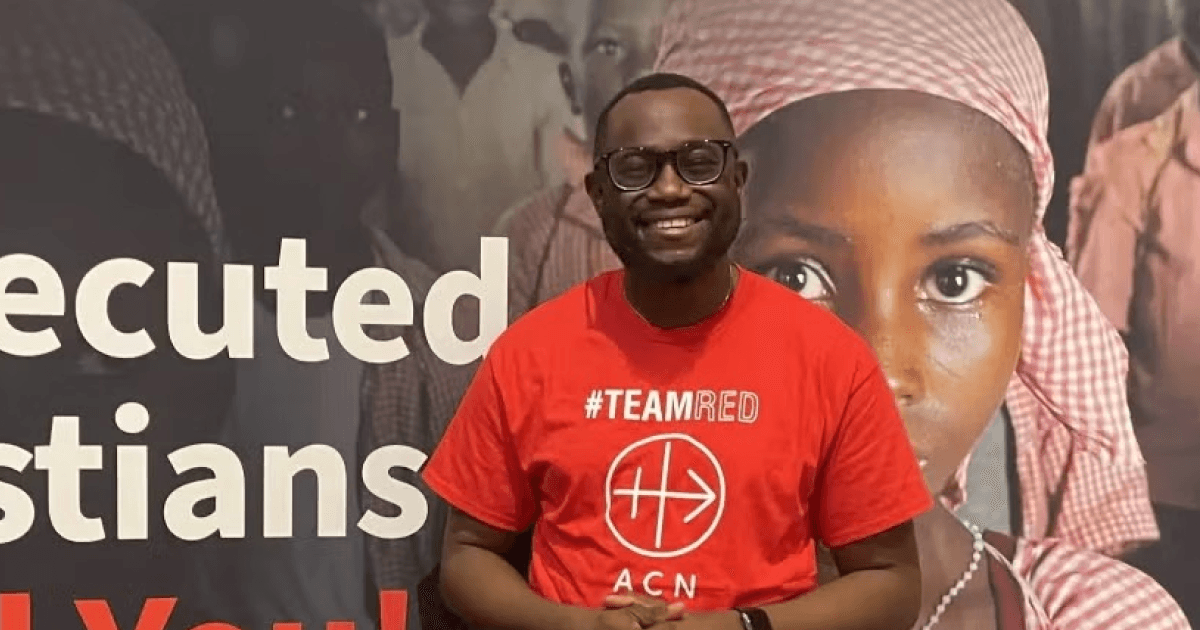 Newsroom
TikTok priest urges young people to stand with persecuted Christians
Nathalie Raffray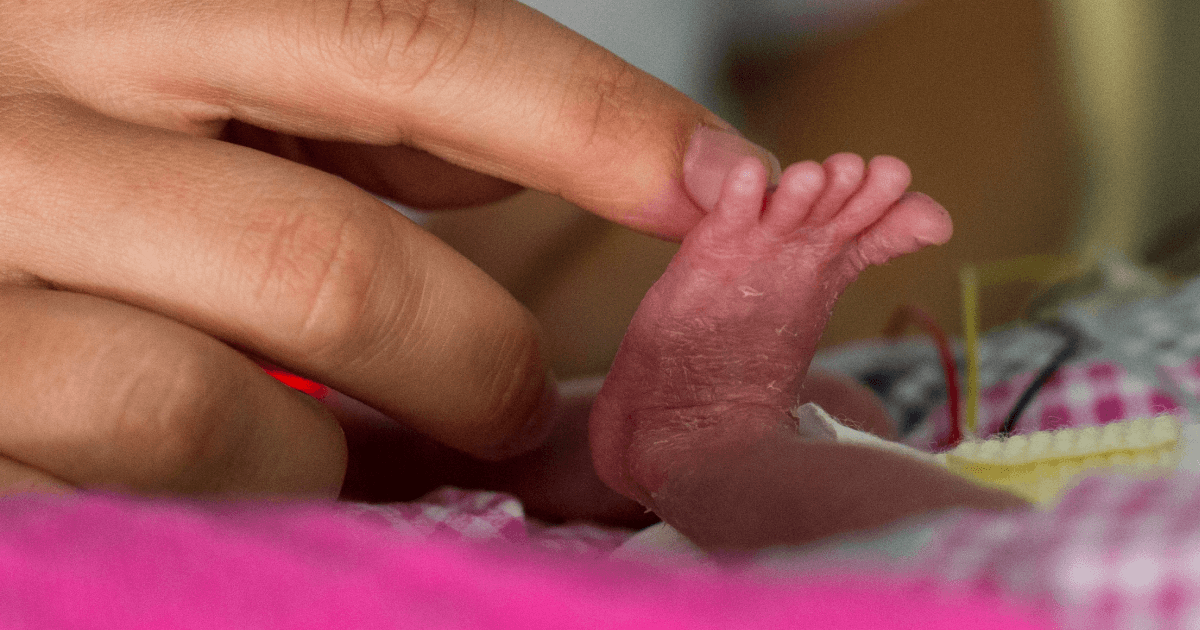 Newsroom
Baby born at 25 weeks reunites with neonatologist two years after leaving hospital
The Catholic Herald Newsroom
Joe Biden honoured by Planned Parenthood after defending abortion rights
Christine Rousselle
subscribe to the catholic herald today
Our best content is exclusively available to our subscribers. Subscribe today and gain instant access to expert analysis, in-depth articles, and thought-provoking insights—anytime, anywhere. Don’t miss out on the conversations that matter most.
Subscribe



