


Luke 9:18-24 18 One day when Jesus was praying alone, the disciples came to him. “Who do the crowds say I am?” he asked them. 19 “Some say that you are John the Baptist,” they answered. “Others say that you are Elijah, while others say that one of the prophets of long ago has come back to life.” 20 “What about you?” he asked them. “Who do you say I am?” Peter answered, “You are God’s Messiah.” 21 Then Jesus gave them strict orders not to tell this to anyone. 22 He also said to them, “The Son of Man must suffer much and be rejected by the elders, the chief priests, and the teachers of the Law. He will be put to death, but three days later he will be raised to life.” 23 And he said to them all, “Anyone who wants to come with me must forget self, take up their cross every day, and follow me. 24 For whoever wants to save their own life will lose it, but whoever loses their life for my sake will save it.” Other readings: Zechariah 12:10-11, 13:1; Psalm 63:1-5, 7-8; Galatians 3:26-29 LECTIO In this passage Jesus allows his disciples to know that he is indeed the Messiah. But he doesn’t want this revealed publicly yet. He also starts to show them that he is a very different Messiah from the one they expected. In fact, he will be rejected by the very people who should have welcomed him most – the religious leaders. Even more shockingly, he will be put to death. But three days later he will be raised back to life. Jesus then talks about the cost of discipleship: “Anyone who wants to come with me must forget self, take up their cross every day, and follow me” (verse 23). Jesus confronts the disciples with the tough reality. Being a Christian requires the daily choice of obeying God rather than following our own plans, even when this involves hardship and suffering. So whoever wants to be Jesus’s disciple must be ready to give their life for their faith. It must have seemed a frightening prospect to the disciples. But Jesus explains his first saying with the second: “For whoever wants to save their own life will lose it, but whoever loses their life for my sake will save it.” So while ultimately following Jesus is the only way to save our life, sacrifice and suffering is part and parcel of the process. These few words must have left the disciples reeling. While Jesus is indeed the Messiah, the idea of him being put to death rather than delivering the Jews victoriously from their Roman oppressors would have been shocking. They must also have wondered what they had got involved in. Much of the Old Testament taught them that God blesses the righteous; it is those who disobey God that experience suffering. Where would following Jesus lead them? Following Jesus involves putting his will and kingdom first whatever the cost or consequences to us personally. MEDITATIO Today and throughout history people have had very different ideas about Jesus. Who do you think he is? Consider how Jesus unites the idea of a suffering Messiah with that of a suffering disciple. How do you respond to suffering in your life? What does it mean in practical terms for you to lose your life and take up your cross daily? In which areas of your life do you find it hardest to do what God wants rather than what you want? ORATIO Read through today’s responsorial Psalm several times. Do these verses express how you feel? Use them for an honest conversation with God. What strikes you most? Maybe God wants you to bring it to him in prayer. CONTEMPLATIO Sit and contemplate a crucifix for a while each day this week. Think about all it symbolises and its relevance for you each day. What does Jesus’s death and Resurrection change? Lectio divina is an ancient tradition of reading and engaging with God’s Word. These outlines for the Sunday Gospel readings are published by the Bible Society. Download at biblesociety.org.uk/lectio. ©2008 United Bible Societies. Bible text Good News Translation, second edition ©1992 American Bible Society, New York
1:00 PM
Lectio Divina
Mgr Anthony Abela

4 min read



Already a subscriber? Sign in
5freearticles every month
Continue reading with a free account. No card needed.
- Five free articles every thirty days, on any device you sign in on
- The Catholic Herald newsletter, every morning
- Subscribe whenever you like for everything: every article and the magazine
Related articles
 Newsroom
Church leaders urge Drumcree dialogue: ‘Too much is at stake’
The Catholic and Church of Ireland Archbishops of Armagh have urged a renewed commitment to peace and reconciliation amid the Drumcree stand-off
Corrie Douglas-Young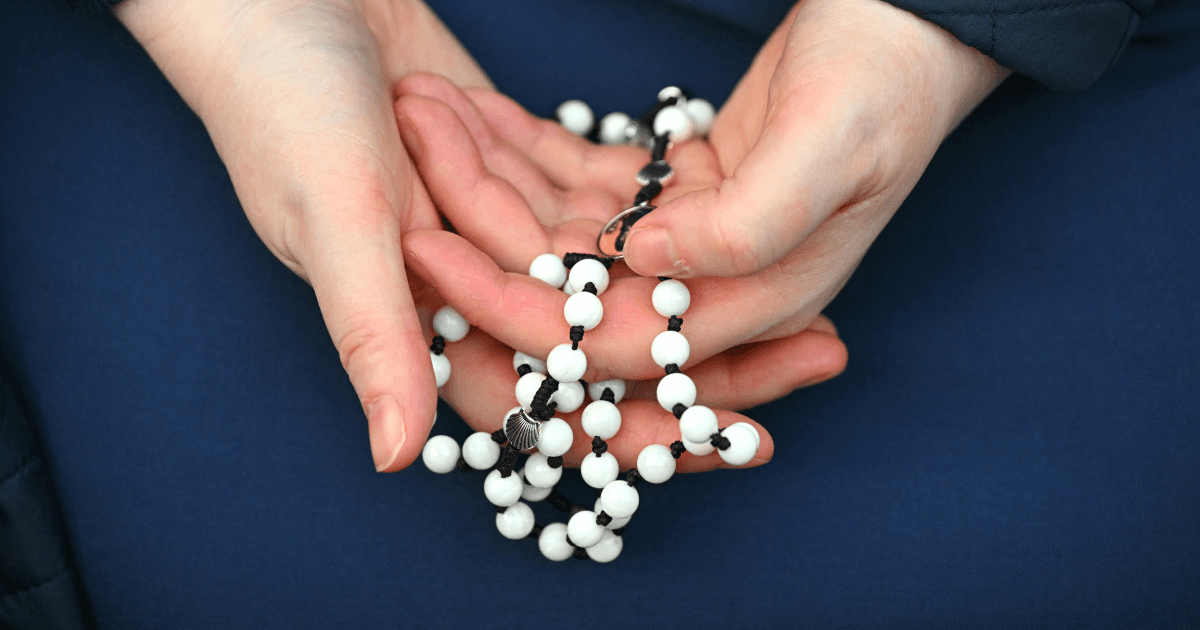 Newsroom
Thousands of Irish children to join global Rosary campaign
Corrie Douglas-Young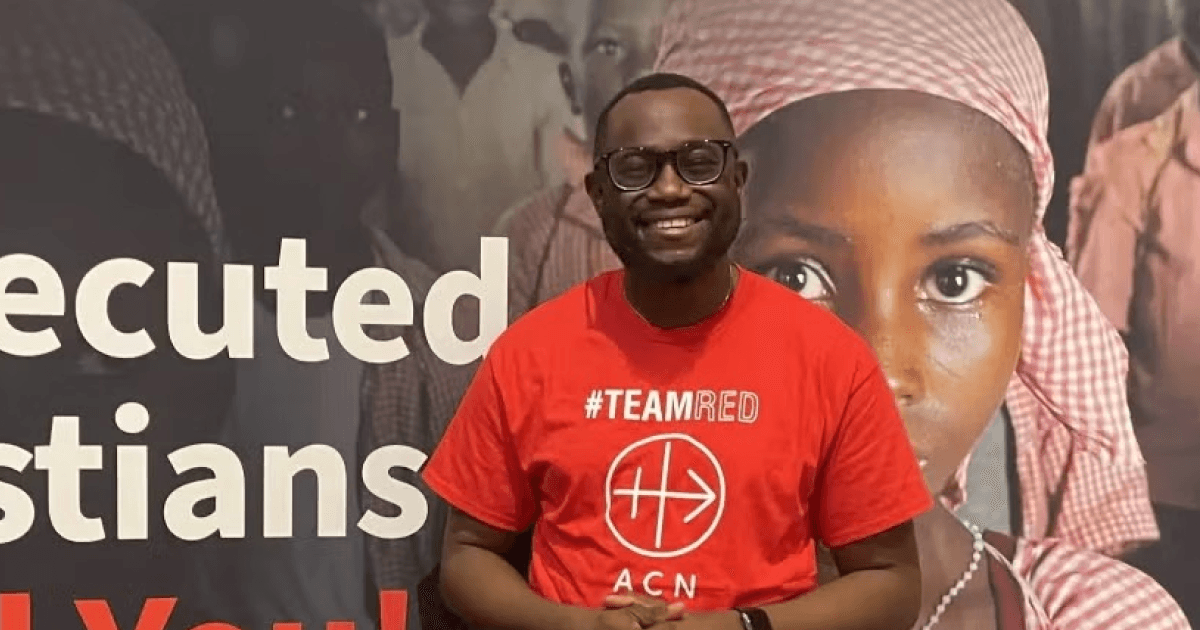 Newsroom
TikTok priest urges young people to stand with persecuted Christians
Nathalie Raffray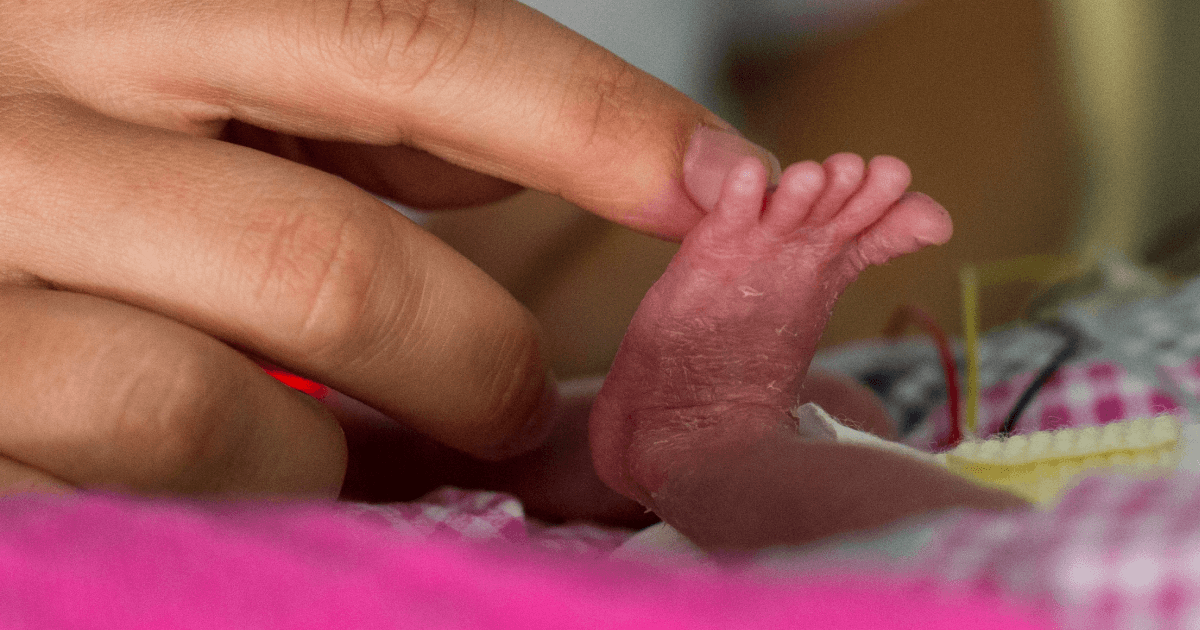 Newsroom
Baby born at 25 weeks reunites with neonatologist two years after leaving hospital
The Catholic Herald Newsroom
Joe Biden honoured by Planned Parenthood after defending abortion rights
Christine Rousselle
subscribe to the catholic herald today
Our best content is exclusively available to our subscribers. Subscribe today and gain instant access to expert analysis, in-depth articles, and thought-provoking insights—anytime, anywhere. Don’t miss out on the conversations that matter most.
Subscribe



