September 12, 2026

Leo XIV’s Vatican week: bishops, synodality and renewed controversy

Michael Haynes
More
Related
Min read
share

Bishops, yet more bishops, Vatican liturgies and renewed controversy at the Academy for Life have somewhat outshone Leo XIV’s own activities during the past seven days at the Vatican.

The Pontiff met with officials from the Roman Curia on Monday morning, in a moderately infrequent inter-dicasterial meeting. Following that, he journeyed a little outside the Eternal City to the shrine of Our Lady of Good Counsel in Genazzano, a shrine much beloved by Italian Catholics and by Leo himself. It was to visit the shrine and the Augustinian community which runs it that he made his first trip outside the Vatican just two days after his papal election.
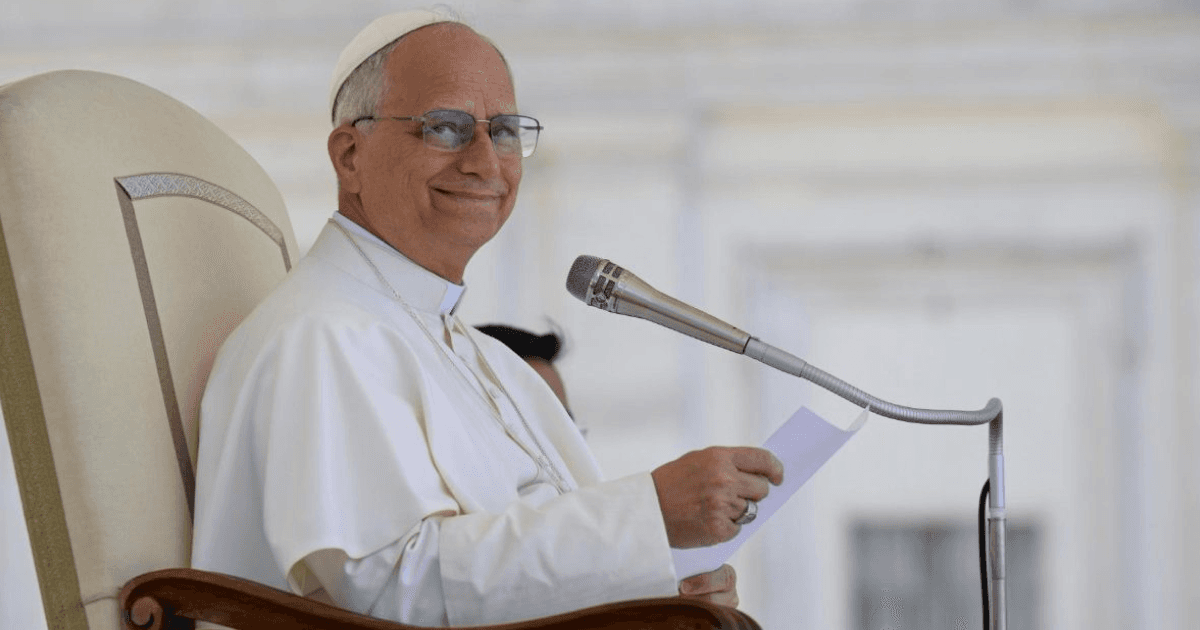
Offering Mass on the vigil of the Nativity of Mary, Leo heavily quoted the Augustinian friar St Thomas of Villanova in his homily, commenting how “Mary is the dawn of a different day, of our world finally freed from evil.”

Upon the dawn of the next day in Rome, the Holy See announced the consecration of yet another bishop for China as Fr Andrea Ding Yang was made bishop of the Diocese of Chongqing. The Chinese see had been vacant for some 25 years and has had a history of tumult in the 1980s and 1990s due to bishops installed by Beijing but without the approval of Rome.

Leo approved the selection of Ding as bishop of the diocese under the terms of the Sino-Vatican deal, meaning that the Vatican will view the see as a problem solved after many long decades. However, the new bishop has particularly close ties to the Communist Party and the state church: he serves as deputy secretary-general of the state-approved bishops’ conference, which does not recognise the authority of the Holy See. No mention was made of this detail in the Vatican’s press release, but hiding reality does not alter the fact and has only increased the already detailed scrutiny of the controversial deal.

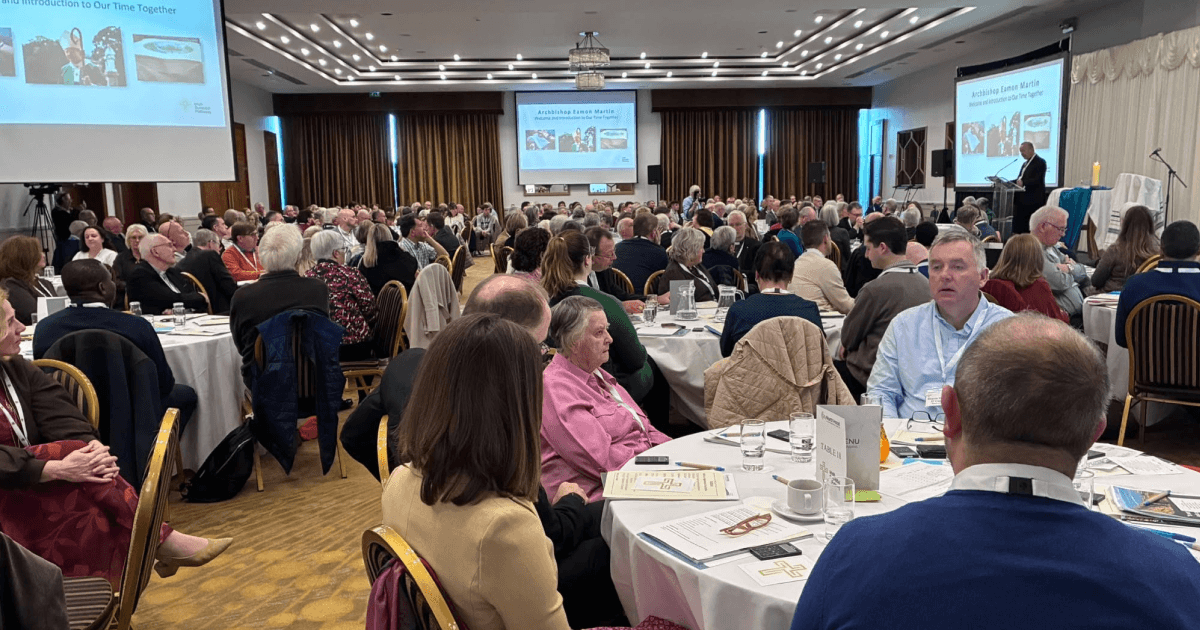
On the subject of new bishops, Leo met with participants of the annual course for new bishops, hosting them in the Synod Hall and briefing the newly consecrated prelates on the duties of office. Drawing on his own time as prefect of the Congregation for Bishops, Leo conversed with the participants, directing them that the ministry is based in prayer, urging them to develop fatherly responses to those in the diocese and close relationships with their clergy and the sick. It was a speech Romans would rightly style as simpatico, but absent anything of particular weight.

This week also saw the publication of another synod study group report, with Study Group 7 issuing its thoughts on the selection of bishops in the bold, new synodal Church which is being promoted by its activists. Some commentators have rushed to label the report as apocalyptic for its mention of lay involvement in selecting bishops, but this is technically already part of the procedure – albeit little known and little utilised.

What was striking in the report was its demand for new bishops to be chosen according to how synodal they are. Nuncios were instructed to update their selection guidelines in order to identify potential episcopal candidates who would demonstrate “sensitivity to the needs of a synodal and missionary Church”.

Given that there has yet to be an official definition of synodality, and that the process in recent years has so far involved questioning unchanging Church teaching, the Study Group’s demand for synodal bishops is confusing as well as doctrinally concerning. Indeed, only days ago, the respected Church historian Cardinal Walter Brandmüller commented that the current mode of synodality is “inspired in part by the Protestant model”.

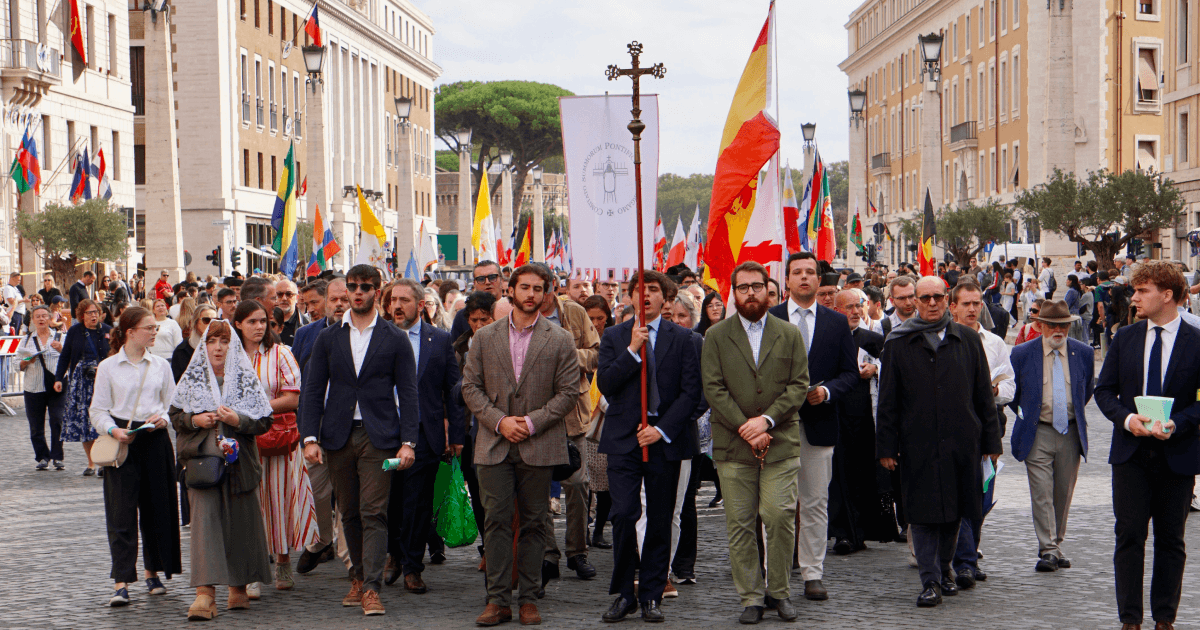
Brandmüller’s advanced years mean that he rarely appears before cameras, but he unfailingly joins the annual Latin Mass pilgrimage to Rome for its end-of-October weekend of events. This year, however, there will be no Mass in the Vatican for the pilgrimage after the Secretariat of State informed organisers that permission had not been granted. As reported in detail by the Catholic Herald, last year marked the first such pilgrimage Mass since 2022 and the first pontifical Mass for the pilgrimage since before Covid-19.

Such a prohibition is notable in that the 2025 Mass was seen as a turning point for the traditional Mass under the new pontificate. Although the pilgrimage has been warmly welcomed by the Cardinal Archpriest of St Mary Major, the news highlights the active opposition to the old rite which remains very much active in certain corners of the Vatican.

But Brandmüller is not the only cardinal who has been vocal this week. Cardinal Raymond Burke delivered nearly five hours of discussion to leading podcaster Shawn Ryan, wading through the Old and New Testaments. In an interview which ranged from the purpose of suffering to the Eucharist and Mary’s marriage to St Joseph, Burke also lambasted the homosexual movement and the rise of demonic activity in today’s society.

Days prior to the interview release, the cardinal had spoken in Amsterdam and defended the traditional title of Mary as Co-Redemptrix, during a weekend of activities for the First Saturday devotion. It was a poignant intervention on the topic, some months after the Dicastery for the Doctrine of the Faith argued that the title – while not incorrect – was inappropriate to use.

Many Mariologists have long defended the term and will probably do so again during a high-level Mariology conference held next to the Vatican in a few weeks. Burke is due to headline the event, which also sees Cardinal Gerhard Müller address Mary’s role in the redemption, while other speakers include the theologian of the papal household.

While Co-Redemptrix has been dragged into controversy, the Pontifical Academy for Life (PAV) appears to need no such assistance to land itself in hot water. This week the PAV’s president opined that Catholics could support an “imperfect” euthanasia law if somehow this would prevent another from coming into force at some point in the future. Doing so would be “morally right”, Archbishop Renzo Pegoraro said.

Pegoraro’s comments appeared to violate the teaching regarding the principle of double effect, especially in the hypothetical scenario in which he posited his remarks. Some have suggested he was following Evangelium vitae, but that text does not allow any support of a euthanasia law when there is none already in force. Once more, the PAV has become mired in controversy over the moral questions it is supposed to provide clarity on.

Michael Haynes is an English journalist in the Holy See Press Corps. He serves as Vatican correspondent for the Catholic Herald, while readers can follow him at Per Mariam and on X/Twitter @MLJHaynes.

Continue reading with a free account

Create a free account to read up to five articles each month
Create free account

You have # free articles remaining this month.

Subscribe to get unlimited access.
Sign up

subscribe to the catholic herald today

Our best content is exclusively available to our subscribers. Subscribe today and gain instant access to expert analysis, in-depth articles, and thought-provoking insights—anytime, anywhere. Don’t miss out on the conversations that matter most.
Subscribe