


March 20, 2026

Lola Salem on… Emotion

Lola Salem
More
Related
Min read
share

For forty days the Church calls us to restraint. Less food, fewer dispersions. Lent invites Christians to examine the movements of the heart and, as we do so, it is natural to assume that emotion, like hunger which also presses for satisfaction, must be carefully observed and tuned.

This premise jars against our present climate. We live in an age of emotional incontinence, where intense reactions are performed and amplified in every corner of the internet. Worse, intensity is often mistaken for authenticity, which is therefore turned on its head. Public life has adapted to this. Activists select images, isolate a tear or another easily readable symbol, and accumulate shocks until repetition confers authority. Suffering inundates campaigners’ strategies, eager to distil the rawest moments into conveniently curated clips that press these marketed images into policy. Grief and guilt, among other feelings, are converted into instruments.
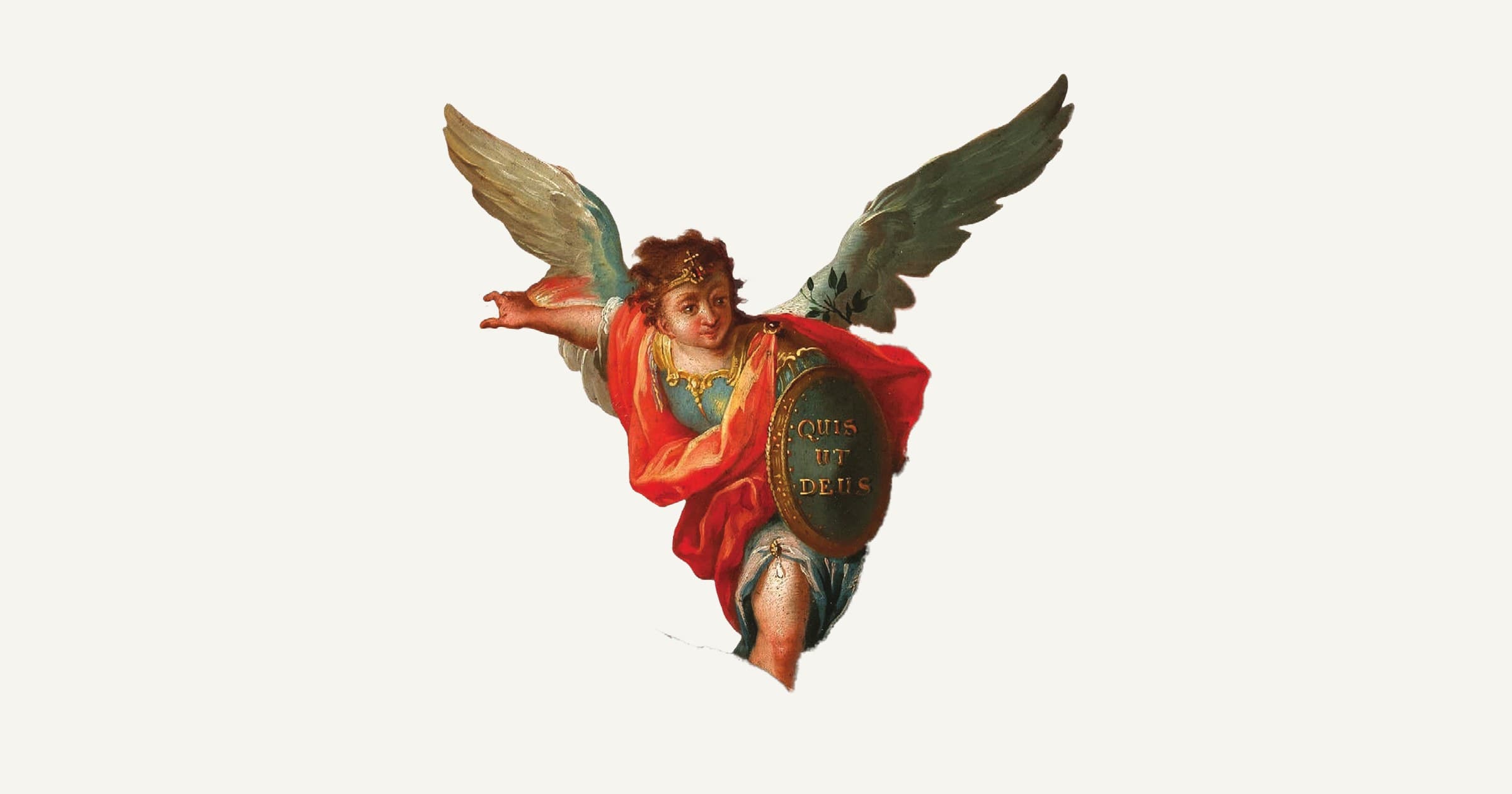
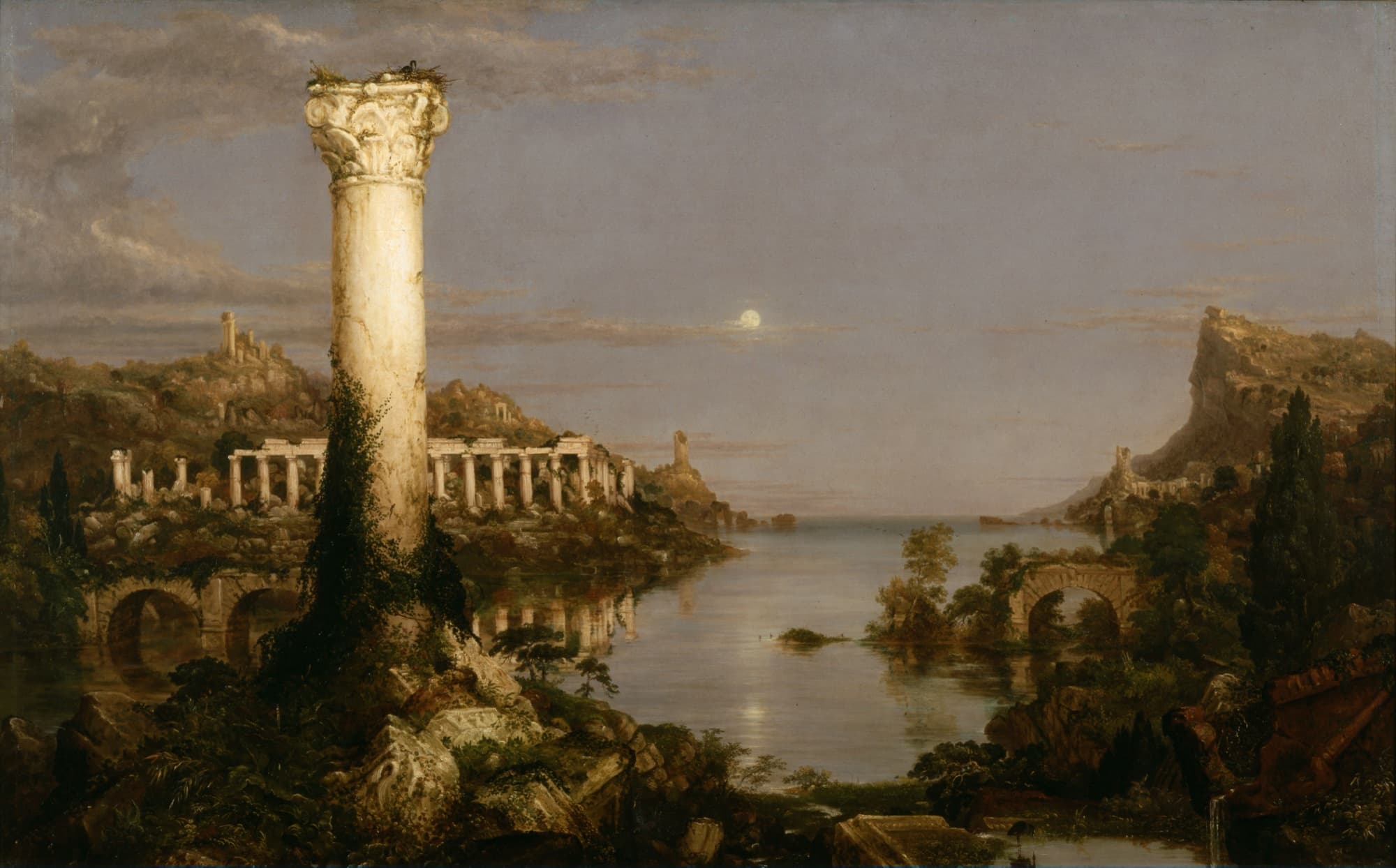
This transformation obeys a simple economy. News cycles package grief for instant use, streaming platforms sell tragedy as content to drive algorithms and campaigners transform clicks into political currency. Under this regime, the never-ending sequence of shocks dulls the senses, alternately closing and agitating the heart. The overload of cheap, ready-made emotions numbs the soul. This is plain to see in the context of the Assisted Suicide Bill, among other deeply disturbing legislative projects that risk unsettling the metaphysics of our social contract.

The ritual of converting emotion into an instrument proves selective. In the event of the deaths of people who do not fit the usual so-called progressive narrative, public expressions of dolour are not easily approved. The recent murder of Quentin Deranque in France adds a name to a long list of people whose mourning is politically inconvenient and thus must be carefully contained until the living dare not address the causes of their deaths, such as those of Axelle Dorier, Thomas Perotto, Lola Daviet, Philippine Le Noir de Carlan, Mathis Marchais and countless other souls. Tears must only flow the correct way. That selective expression of sorrow, which measures candles and statements, reveals where power lies.

This political framing of human emotions is doubly alienating. It distorts deliberation and degrades feeling itself. It does so at the expense of both a fair legislative process and real emotion, whose truest domain is not the political chamber but the workshop of art.

Because craft sparks emotions that directly shape character, many thinkers have been wary of its formative power. Plato famously feared the effect of music on the soul and sought to regulate rhythms and modes. Aristotle, with a different moderation, analysed tragedy as a structured arousal and purification of pity and fear. Because emotion cannot be expelled, it must be composed.

The religious tradition has often proceeded in the same manner. The Church, far from denying art’s force, ordered skills so as to harness them towards worship. The building of the Tabernacle, entrusted in the Book of Exodus to artisans filled with the Spirit, is described in terms of measurement, proportion and obedience to specification. In that sense, inspiration intensifies technique, and, in turn, technique does not necessarily diminish inspiration.

Regulating the latter has not been a smooth process for the Church. Its anxieties surrounding, for example, Ars Nova complex musical compositions and later polyphonic developments raised elaborate debates about how counterpoint might obscure the sacred word. Emotion requires form if it is to serve truth – just as the Word itself becomes flesh, taking body without forfeiting the clarity of truth. ‘Qualis est sermo noster, talis est spiritus noster,’ wrote Erasmus – ‘the speech of man is the image of the spirit’ – deriving from the theology of Christ’s inverbation the principle of imitatio and its transformative capacities.

The Psalms provide a school for this discipline. They articulate rage, despair and exultation, among other states, each of them passing through measure. In Psalm 51, the rawness of the plea ‘Have mercy on me’ unfolds within cadence and thus becomes prayer. This ordering of the inner life that would perhaps appear excessive if not suspect for Marc ‘Introspection Is a Modern Pathology’ Andreessen today.

Lent, with its call for silence and introspection, proposes another rhythm. Humbly stripping away emotional allures and self-fashioned spectacle, we may sincerely ask ourselves: when did we last weep from wonder rather than manipulation? When was the last time we shed a tear, not for a fabricated story but for a sheer moment of overwhelming wonder?

My first conscious memory of such tears occurred before a screen. I remember them rolling uncontrollably down my cheeks as a little girl’s red coat pierced the monochrome ruin in Schindler’s List. Later, in literature, André Gide’s La Porte étroite exposed me to a mystical register in which love is presented as renunciation and tragic restraint.

One of the most persistent memories of tears I carry comes from the Baroque Festival of Sablé-sur-Saône in 2013, during a performance by the early music ensemble L’Arpeggiata. Much of their repertoire is a playful reconstruction from historical fragments, most of which survived only through oral tradition. What one hears is therefore not simple execution but a complex reconstruction shaped by the experience of practice – hard graft and flamboyant vocation fused in one same creative gesture.

The music gives the impression of freedom, yet that freedom rests upon study, comparison and choice, and so bears the mark of labour – in other words, a living ingenuity of a spirit at play behind the notes. This union of intelligence and sound is deeply moving. The listener hears the layered intelligences that have organised the material through time and space, refining gestures and handing on form.

Another musical moment recently added a new emotional memory for me. A few days ago I attended a recital in London celebrating the making of The Key of Genius, a biographical film – still in the making – about the pianist Derek Paravicini. Born prematurely, blind, autistic and with severe learning difficulties, Derek reproduces complex compositions after a single hearing and breathtakingly adds to them.

The film resists an easy narrative about Derek’s gift, reminding us that what we often call “genius” does not float free of discipline. The mentorship of Prof Adam Ockelford provided Derek with scales, repetition, structure and intense practice that reconciles form with expressivity. As mentor and mentee performed together on stage that evening, the care and love for one another shining through both words and notes, I felt tears flooding across my face and thanked God for giving me the chance to witness such a rare moment of true grace. The room fell silent. The whole audience wept.

It is perhaps this union of effort and grace that Lent can invite us to recover. A purification of feelings, rather than its abolition or exploitation, the clarity of which helps us to relearn how to perceive and make sense of the world. And perhaps, as we attempt to seize something of the world’s wonder, there may emerge a more exact love – one that does not depend on display or use, but suffices to itself, and in doing so, sustains and saves.

For forty days the Church calls us to restraint. Less food, fewer dispersions. Lent invites Christians to examine the movements of the heart and, as we do so, it is natural to assume that emotion, like hunger which also presses for satisfaction, must be carefully observed and tuned.

This premise jars against our present climate. We live in an age of emotional incontinence, where intense reactions are performed and amplified in every corner of the internet. Worse, intensity is often mistaken for authenticity, which is therefore turned on its head. Public life has adapted to this. Activists select images, isolate a tear or another easily readable symbol, and accumulate shocks until repetition confers authority. Suffering inundates campaigners’ strategies, eager to distil the rawest moments into conveniently curated clips that press these marketed images into policy. Grief and guilt, among other feelings, are converted into instruments.
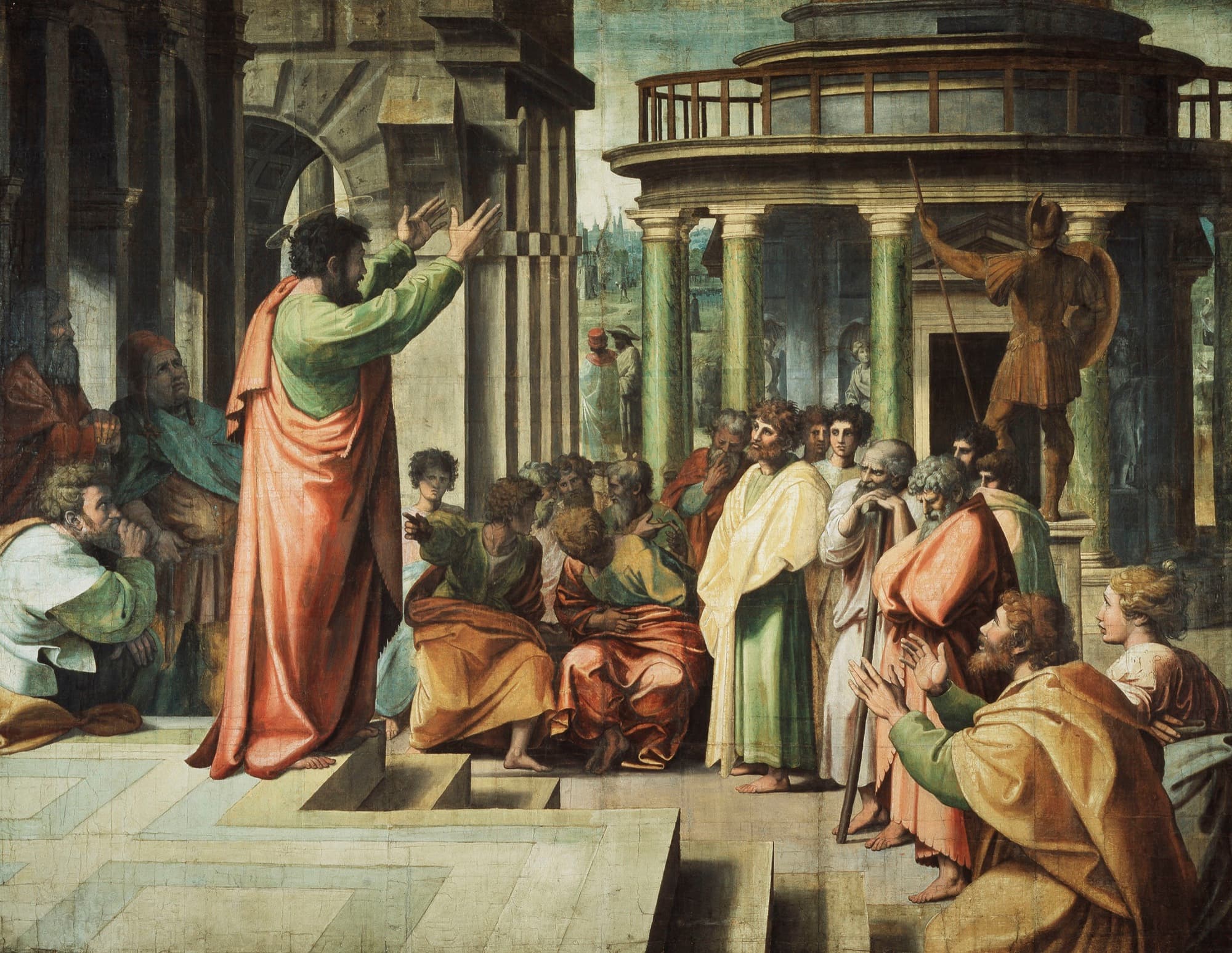
This transformation obeys a simple economy. News cycles package grief for instant use, streaming platforms sell tragedy as content to drive algorithms and campaigners transform clicks into political currency. Under this regime, the never-ending sequence of shocks dulls the senses, alternately closing and agitating the heart. The overload of cheap, ready-made emotions numbs the soul. This is plain to see in the context of the Assisted Suicide Bill, among other deeply disturbing legislative projects that risk unsettling the metaphysics of our social contract.

The ritual of converting emotion into an instrument proves selective. In the event of the deaths of people who do not fit the usual so-called progressive narrative, public expressions of dolour are not easily approved. The recent murder of Quentin Deranque in France adds a name to a long list of people whose mourning is politically inconvenient and thus must be carefully contained until the living dare not address the causes of their deaths, such as those of Axelle Dorier, Thomas Perotto, Lola Daviet, Philippine Le Noir de Carlan, Mathis Marchais and countless other souls. Tears must only flow the correct way. That selective expression of sorrow, which measures candles and statements, reveals where power lies.

This political framing of human emotions is doubly alienating. It distorts deliberation and degrades feeling itself. It does so at the expense of both a fair legislative process and real emotion, whose truest domain is not the political chamber but the workshop of art.

Because craft sparks emotions that directly shape character, many thinkers have been wary of its formative power. Plato famously feared the effect of music on the soul and sought to regulate rhythms and modes. Aristotle, with a different moderation, analysed tragedy as a structured arousal and purification of pity and fear. Because emotion cannot be expelled, it must be composed.

The religious tradition has often proceeded in the same manner. The Church, far from denying art’s force, ordered skills so as to harness them towards worship. The building of the Tabernacle, entrusted in the Book of Exodus to artisans filled with the Spirit, is described in terms of measurement, proportion and obedience to specification. In that sense, inspiration intensifies technique, and, in turn, technique does not necessarily diminish inspiration.

Regulating the latter has not been a smooth process for the Church. Its anxieties surrounding, for example, Ars Nova complex musical compositions and later polyphonic developments raised elaborate debates about how counterpoint might obscure the sacred word. Emotion requires form if it is to serve truth – just as the Word itself becomes flesh, taking body without forfeiting the clarity of truth. ‘Qualis est sermo noster, talis est spiritus noster,’ wrote Erasmus – ‘the speech of man is the image of the spirit’ – deriving from the theology of Christ’s inverbation the principle of imitatio and its transformative capacities.

The Psalms provide a school for this discipline. They articulate rage, despair and exultation, among other states, each of them passing through measure. In Psalm 51, the rawness of the plea ‘Have mercy on me’ unfolds within cadence and thus becomes prayer. This ordering of the inner life that would perhaps appear excessive if not suspect for Marc ‘Introspection Is a Modern Pathology’ Andreessen today.

Lent, with its call for silence and introspection, proposes another rhythm. Humbly stripping away emotional allures and self-fashioned spectacle, we may sincerely ask ourselves: when did we last weep from wonder rather than manipulation? When was the last time we shed a tear, not for a fabricated story but for a sheer moment of overwhelming wonder?

My first conscious memory of such tears occurred before a screen. I remember them rolling uncontrollably down my cheeks as a little girl’s red coat pierced the monochrome ruin in Schindler’s List. Later, in literature, André Gide’s La Porte étroite exposed me to a mystical register in which love is presented as renunciation and tragic restraint.

One of the most persistent memories of tears I carry comes from the Baroque Festival of Sablé-sur-Saône in 2013, during a performance by the early music ensemble L’Arpeggiata. Much of their repertoire is a playful reconstruction from historical fragments, most of which survived only through oral tradition. What one hears is therefore not simple execution but a complex reconstruction shaped by the experience of practice – hard graft and flamboyant vocation fused in one same creative gesture.

The music gives the impression of freedom, yet that freedom rests upon study, comparison and choice, and so bears the mark of labour – in other words, a living ingenuity of a spirit at play behind the notes. This union of intelligence and sound is deeply moving. The listener hears the layered intelligences that have organised the material through time and space, refining gestures and handing on form.

Another musical moment recently added a new emotional memory for me. A few days ago I attended a recital in London celebrating the making of The Key of Genius, a biographical film – still in the making – about the pianist Derek Paravicini. Born prematurely, blind, autistic and with severe learning difficulties, Derek reproduces complex compositions after a single hearing and breathtakingly adds to them.

The film resists an easy narrative about Derek’s gift, reminding us that what we often call “genius” does not float free of discipline. The mentorship of Prof Adam Ockelford provided Derek with scales, repetition, structure and intense practice that reconciles form with expressivity. As mentor and mentee performed together on stage that evening, the care and love for one another shining through both words and notes, I felt tears flooding across my face and thanked God for giving me the chance to witness such a rare moment of true grace. The room fell silent. The whole audience wept.

It is perhaps this union of effort and grace that Lent can invite us to recover. A purification of feelings, rather than its abolition or exploitation, the clarity of which helps us to relearn how to perceive and make sense of the world. And perhaps, as we attempt to seize something of the world’s wonder, there may emerge a more exact love – one that does not depend on display or use, but suffices to itself, and in doing so, sustains and saves.

subscribe to
the catholic herald

Continue reading your article with a subscription.
Read 5 articles with our free plan.
Subscribe

subscribe to the catholic herald today

Our best content is exclusively available to our subscribers. Subscribe today and gain instant access to expert analysis, in-depth articles, and thought-provoking insights—anytime, anywhere. Don’t miss out on the conversations that matter most.
Subscribe