


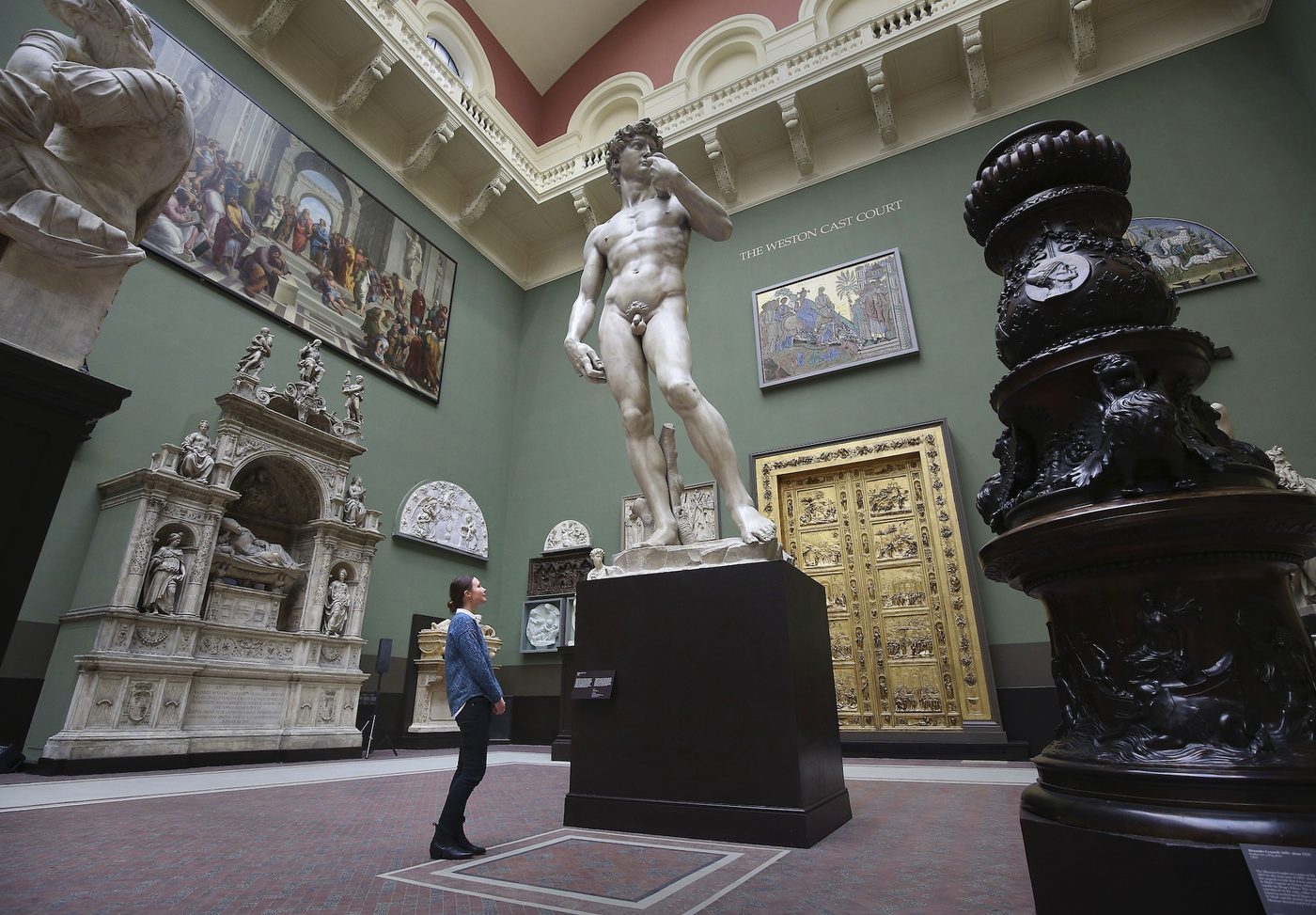
Pope Francis’s words criticising our culture’s worship of bodily perfection last Sunday were apt and wise. It was, he said, terribly superficial, and “the drive for perfect bodies marginalises those who may not fit those standards”. Cosmetic makeovers do not better the world, and may downgrade the less than perfect, the sick and the disabled. He might have added that the quest for bodily perfection can drive teenage girls demented, as they fuss and stress over every eyebrow, every hair highlight, every pound of flesh lost or gained. And it’s important to underline that those of less than perfect appearance – including disabled people – are equally as valuable, and should be as valued, as those gifted with ideal beauty. Character counts for a lot more than looks, anyway, in the long run. Children used to be given copybook headings that iterated that: “Beauty is only skin deep”, and “Handsome is as handsome does”. To be sure, human beings have always admired physical beauty: Pope Francis need only look at Michelangelo’s David to appreciate that. The Church has a long tradition of painting and depicting exquisite human beauty, as part of the wonders of divine creation. It’s just that, in a highly visual age, when “selfies” are an obsession, screen time ubiquitous and so much money is invested in cosmetic enhancement, this natural appreciation becomes disproportionate, obsessive and unbalanced. … David Cameron carefully chose June 23 for the EU referendum because the date itself has no special significance, and is not linked with any national cause. However, it has an association with an international cause: it is designated by the United Nations as “International Widows’ Day”. Widows have often had a difficult life, as in many societies widowhood was associated with the loss not just of a spouse, but of a breadwinner too. The “poor widow” features in the New Testament as only being able to donate two mites. In contrast, in the world of Viennese operetta we are entertained by The Merry Widow. In Synge’s The Playboy of the Western World, the Widow Quin is depicted as worldly wise and a little fast. Widows have been pitied for their lonely station in life and sometimes regarded as vulnerable – especially if young and attractive – to predatory males. Indeed, widows (like divorced or separated women) may be regarded with some suspicion by wives as possible husband-stealers: most widows report a decline in social invitations once they are on their own. Widows once dressed in “widows’ weeds” – their faces covered in opaque veils. A widow’s mourning was traditionally set at a year and a day. In India, a widow was expected to throw herself on her husband’s funeral pyre: this was called suttee, and the British Raj, in one of its enlightened measures, put a stop to such self-immolation. When I was a young journalist, a single word forming its own line at the end of a paragraph was described, typographically, as “a widow”. But “a glass of The Widow” meant an order for Veuve Clicquot champagne. Astonishingly, three major houses of French champagne were headed by widows in the 19th century. … Justin Welby, the Archbishop of Canterbury, has declared that he will be voting “in” at the referendum (adding to the weight of our own hierarchy and, indeed, Pope Francis), for the good of Europe’s future. That is the traditional pro-European position of the Catholic and Anglican churches. Only I do feel that, in support of the EU, the Christian churches should demand something back – a quid pro quo. The EU has given scant recognition to the role of Christianity in the making of Europe. EU institutions have eschewed our Christian heritage, and when it comes to Christian values, some of the member states have constantly reproved other member states for adhering to Christian ethics. Denmark repeatedly scolds Ireland over its abortion legislation, never acknowledging that the law in Ireland derives directly from the wishes and values of the Irish people. Belgium, meanwhile, is hardly an adornment to Christian values in its approach to assisted suicide, and the Netherlands isn’t a lot better. If the EU is worth supporting by Christian leaders, some gesture should be forthcoming in return.
1:00 PM
Mary Kenny: Forget your waistline, it’s character that counts
Mary Kenny

4 min read



Already a subscriber? Sign in
5freearticles every month
Continue reading with a free account. No card needed.
- Five free articles every thirty days, on any device you sign in on
- The Catholic Herald newsletter, every morning
- Subscribe whenever you like for everything: every article and the magazine
Related articles
 Newsroom
First parish named for Bl Fulton Sheen established in Illinois
Bishop Louis Tylka of Peoria announced the new Blessed Fulton Sheen Parish two days after Sheen became the first American-born bishop to be beatified
Christine Rousselle Newsroom
Injured priest tells Poles: ‘Do not blame Ukraine’ for convent attack
Corrie Douglas-Young Newsroom
Church leaders urge Drumcree dialogue: ‘Too much is at stake’
Corrie Douglas-Young Newsroom
Thousands of Irish children to join global Rosary campaign
Corrie Douglas-Young Newsroom
TikTok priest urges young people to stand with persecuted Christians
Nathalie Raffray
subscribe to the catholic herald today
Our best content is exclusively available to our subscribers. Subscribe today and gain instant access to expert analysis, in-depth articles, and thought-provoking insights—anytime, anywhere. Don’t miss out on the conversations that matter most.
Subscribe



