



I’ve had the pleasure of being in New York for the past week – one of the friendliest cities in the world. Everyone says hello in daily encounters, and so courteously, too – the honorific of “Ma’am” is often used. Obviously the main talking point in the public realm is the coming presidential election. Few Catholics, I think, support Donald Trump – his attitude to Mexicans is horrible – yet there has developed a more nuanced understanding of why he’s been successful with voters. Writing in the New York Times, Elizabeth Williamson explained the rage, resentment and frustration of the white working class, who have continually lost ground over recent decades; and thus their hatred of the political establishment. The black working class have suffered even more from recent immigration: you can see, in New York City, how visible and successful Chinese immigrants are becoming, possibly at the expense of African-Americans. A veteran Democrat voter told me: “I don’t mind Trump. He’s a clown. But even if he got into power, he’d know how to hire the right people. And in the past he has contributed to Planned Parenthood, so we know he’s not really anti-abortion. He just says this stuff. The guy we’re really nervous about is Ted Cruz. Because he’s a real conservative.” Yet the politician most admired by the Catholics I met is Paul Ryan, Speaker of the House of Representatives. He isn’t, as yet, a presidential candidate, but he is credited with “shaping an agenda” and “running a parallel policy campaign”, which might make him one. He’s been described by a senatorial critic as “a good person”, and that’s what I’ve heard, too. A 46-year-old father of three, dark, handsome and Irish by heritage, Mr Ryan is surely a rising politician for the future, if not for the 2016 presidency. … It saddens me to observe the disappearance of newspaper kiosks in Manhattan. The little kiosks which always sold papers are now, mostly, turned over to food provision. Some have copies of the tabloids in a secondary position, but it’s generally difficult to purchase a print newspaper. “It’s all online, Ma’am,” I was told. I eventually found some small shops – they would usually be run by Indian Americans – that stocked papers. Magazines are surviving better in print form: the many corner drug stores all sell them. Surveys in the media sometimes tell us that church-going is in such decline that churches are in danger of disappearing. Yet it’s probable that churches will outlive the print newspaper industry. … A useful moral discussion might be had on the ethical purposes of taxation. Should tax be about the redistribution of income to minimise inequality? Or should it be about doing one’s duty to contribute to the costs of the state? It’s clear we are expected to pay our taxes (“Render unto Caesar what is Caesar’s”), but why and how much we should pay is still morally undefined. The redistribution of income sounds fair but may not always be just: is it fair if one person works hard to support her family – and then sees her income docked by the state to support others who have chosen to loll rather than labour? Most of us agree that we should contribute to the costs of public services that serve all. And yet, many of us are not above obtaining a freebie from the public purse when the opportunity arises. A report this week discloses that the public have accessed toothpaste, mouthwash, digestive analgesics like Rennies, sun cream, throat lozenges and vitamin C drinks for free, via NHS prescriptions – everyday non-urgent items the taxpayer shouldn’t have to provide. And badly applied taxation can hurt families. Some years ago, an aunt of mine was hit with swingeing taxes after her husband died and she had to sell her home. It later transpired that the tax authorities were at fault and the liability was retrospectively reduced. But she never recovered her home and her children ever mourned its loss. An accountant of upstanding integrity once told me: “You are entitled to minimise your liabilities. And the government is empowered to maximise its revenue.” In real life, it’s often a tussle between which side is smarter with the money.
1:00 PM
Mary Kenny: The presidential candidate we’re waiting for
Mary Kenny

4 min read



Already a subscriber? Sign in
5freearticles every month
Continue reading with a free account. No card needed.
- Five free articles every thirty days, on any device you sign in on
- The Catholic Herald newsletter, every morning
- Subscribe whenever you like for everything: every article and the magazine
Related articles
 Newsroom
Church leaders urge Drumcree dialogue: ‘Too much is at stake’
The Catholic and Church of Ireland Archbishops of Armagh have urged a renewed commitment to peace and reconciliation amid the Drumcree stand-off
Corrie Douglas-Young Newsroom
Thousands of Irish children to join global Rosary campaign
Corrie Douglas-Young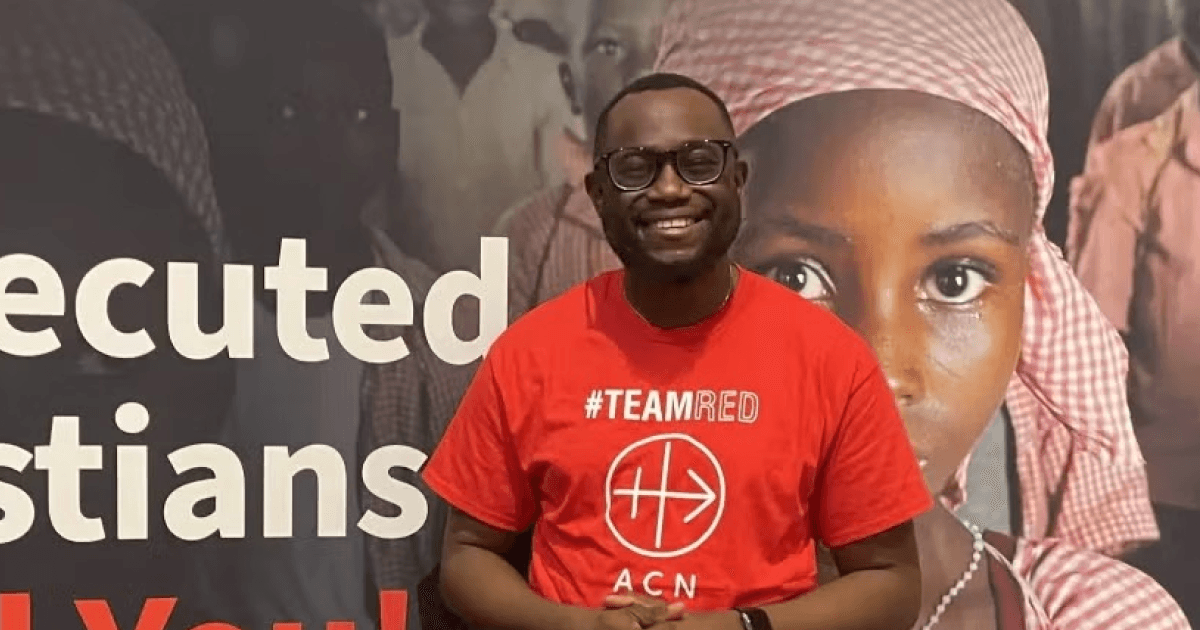 Newsroom
TikTok priest urges young people to stand with persecuted Christians
Nathalie Raffray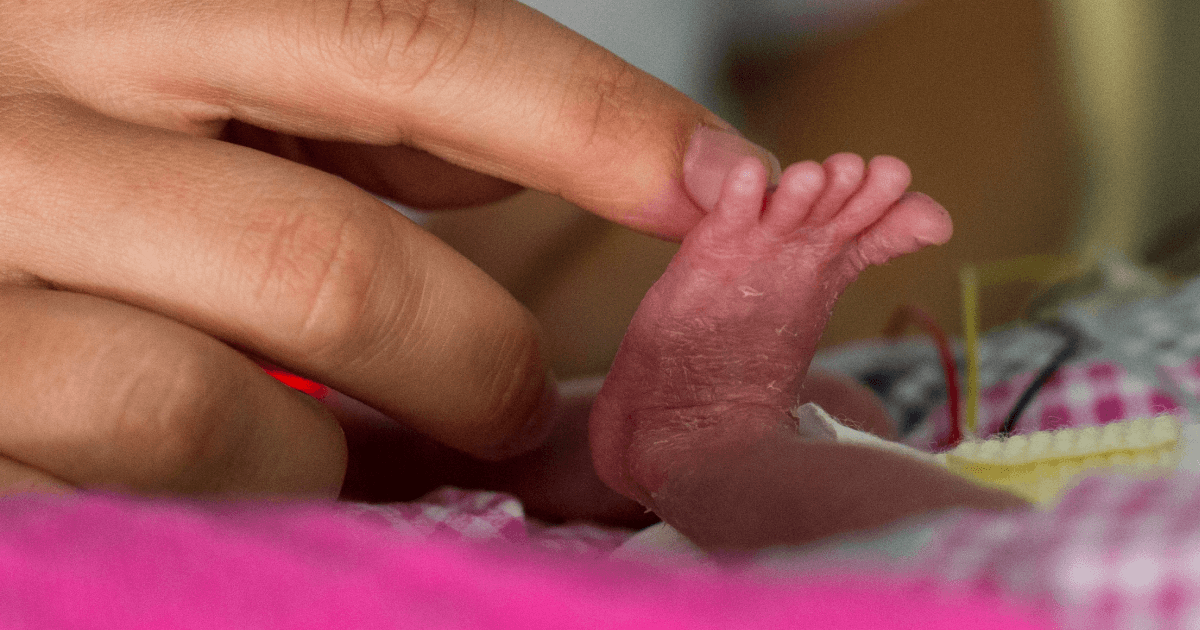 Newsroom
Baby born at 25 weeks reunites with neonatologist two years after leaving hospital
The Catholic Herald Newsroom
Joe Biden honoured by Planned Parenthood after defending abortion rights
Christine Rousselle
subscribe to the catholic herald today
Our best content is exclusively available to our subscribers. Subscribe today and gain instant access to expert analysis, in-depth articles, and thought-provoking insights—anytime, anywhere. Don’t miss out on the conversations that matter most.
Subscribe



