


Stephen Hough is one of those annoying polymaths who, to the despair of the rest of us, seem able to do anything. He’s best known as a pianist, but he also paints and writes. He’s just published a novel. And it was as a composer that he featured in a concert at the British Museum given by that most immaculately professional of chamber choirs, The Sixteen. Intended as a grand finale to the museum’s Living with gods exhibition, this concert took in Hebrew chants, Tudor polyphony and Shûnya: an extended work based on Tibetan mysticism by the late John Tavener, which sent shivers down the spine as it echoed around the sepulchral darkness of the gallery where the BM keeps the Elgin Marbles. But the underlying theme of spiritual connection was summed up by Hough’s new Hallowed: a sort of cantata that sets the Lord’s Prayer alongside Old Testament texts of relevance to Muslims, Jews and Christians, and a hymn to the beauty of Mother Earth/Father Sky that reads like St Francis but is in fact Navajo Indian. Saturated with a sense of sacred space, it was intense, impressive and magnificently sung. I daresay there will be a CD soon. But no recording could quite capture the totality of how it was in live performance, charged with atmosphere. A wonderful event. There should have been some sense of event about the new Traviata at ENO, because it was Daniel Kramer’s debut production there in his new role as the company’s artistic director. But it was a failure: vulgar, vacuous and feeble. Staging Act I as a glitzy, Hollywood-style orgy was both tacky in conception and incompetently realised. Kramer had no idea of how to stage Act II. And Violetta digging her own grave in Act III was absurd. The lead roles were miscast with singers who weren’t ready for them, floundering in thin, frantic performances. The only artistry of stature came from veteran Alan Opie as Alfredo’s father. Otherwise, a dismal evening. Infinitely better was a brilliant little student show of Jonathan Dove’s Flight that opened the brand new and rather beautiful theatre at the Royal Academy of Music. Staged by Martin Duncan with panache, it turned an opera of cartoon-like brittleness that I’d never valued into something of delight. The cast were great, the orchestra amazing. And although I still don’t buy the opera’s narrative – about a group of people whose lives are supposedly transformed as they wait for delayed planes at an airport – I can’t deny the virtuosity of Dove’s score. Its relentless energy is like assault and battery, but in a good way. I felt pleasurably pummelled.
11:25 AM
Music: A wonderful night at the museum
Michael White

3 min read



Already a subscriber? Sign in
5freearticles every month
Continue reading with a free account. No card needed.
- Five free articles every thirty days, on any device you sign in on
- The Catholic Herald newsletter, every morning
- Subscribe whenever you like for everything: every article and the magazine
Related articles
 Newsroom
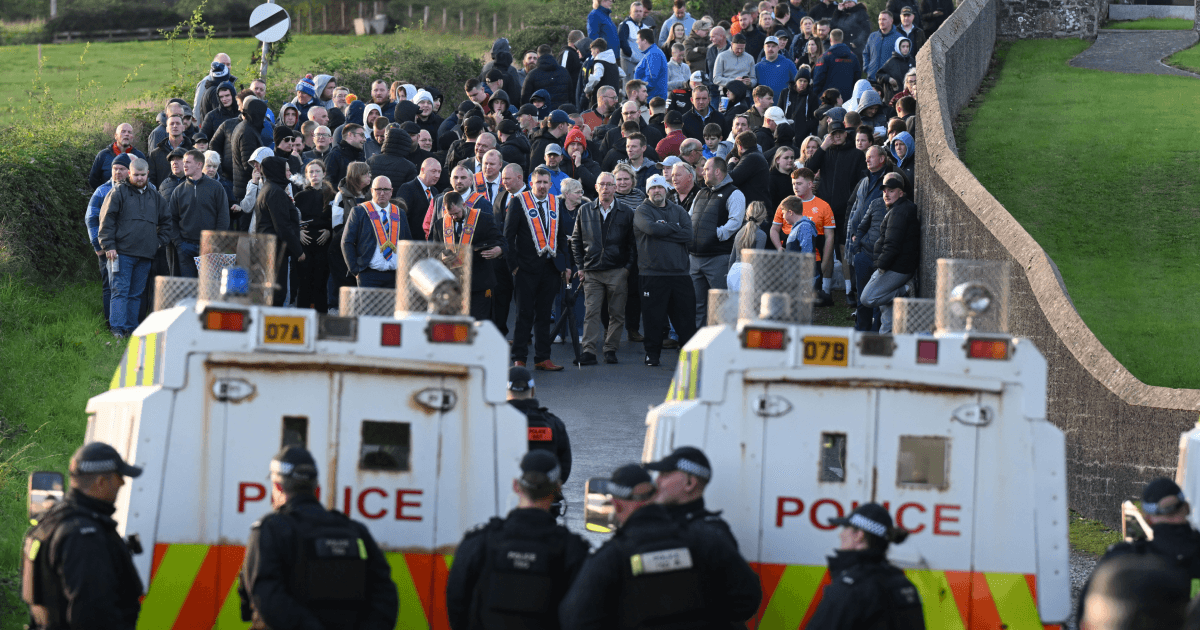
Church leaders urge Drumcree dialogue: ‘Too much is at stake’
The Catholic and Church of Ireland Archbishops of Armagh have urged a renewed commitment to peace and reconciliation amid the Drumcree stand-off
Corrie Douglas-Young Newsroom
Thousands of Irish children to join global Rosary campaign
Corrie Douglas-Young Newsroom
TikTok priest urges young people to stand with persecuted Christians
Nathalie Raffray Newsroom
Baby born at 25 weeks reunites with neonatologist two years after leaving hospital
The Catholic Herald Newsroom
Joe Biden honoured by Planned Parenthood after defending abortion rights
Christine Rousselle
subscribe to the catholic herald today
Our best content is exclusively available to our subscribers. Subscribe today and gain instant access to expert analysis, in-depth articles, and thought-provoking insights—anytime, anywhere. Don’t miss out on the conversations that matter most.
Subscribe



