December 3, 2025
December 3, 2025

Nigeria’s silent martyrs

Min read
share

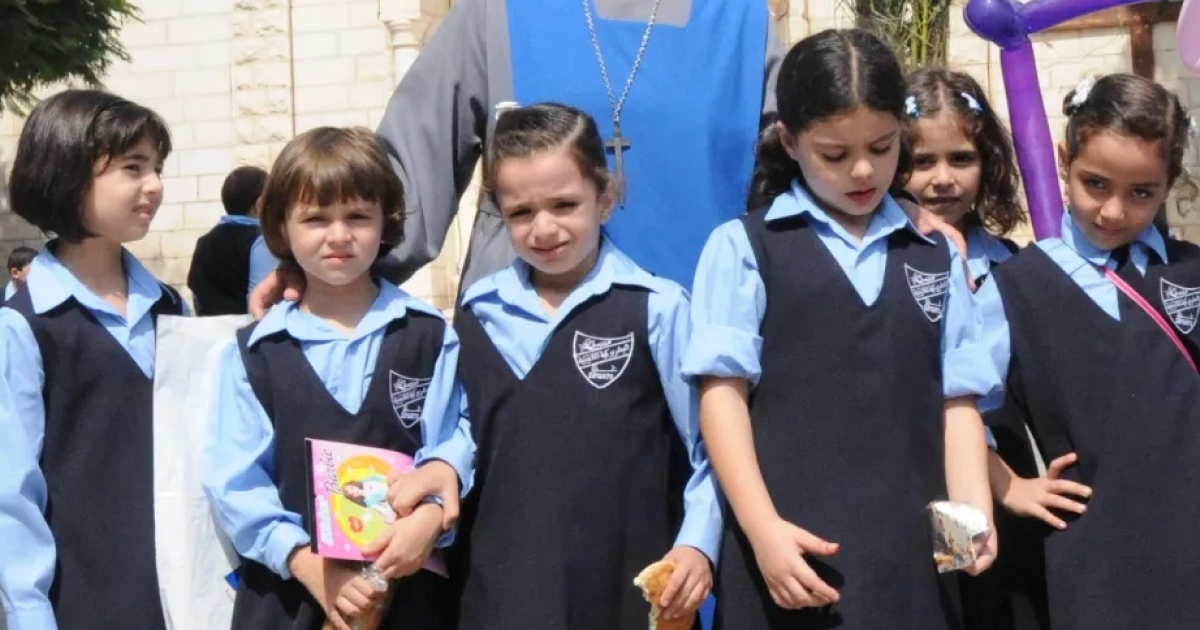
Nigeria is Africa’s most populous country, holding almost twice as many people as the second, Ethiopia. Its population has increased tenfold in the past 100 years, and with a fertility rate more than three times that of the United States, the population surge is unlikely to dissipate any time soon. However, its impressive fecundity is not the reason it has dominated international headlines of late.

Nigeria is also a hotbed of Christian persecution. According to Open Doors, in 2024 Nigeria was the country with the highest number of Christians killed for their faith, with 3,100 Christians killed and 2,830 kidnapped that year.

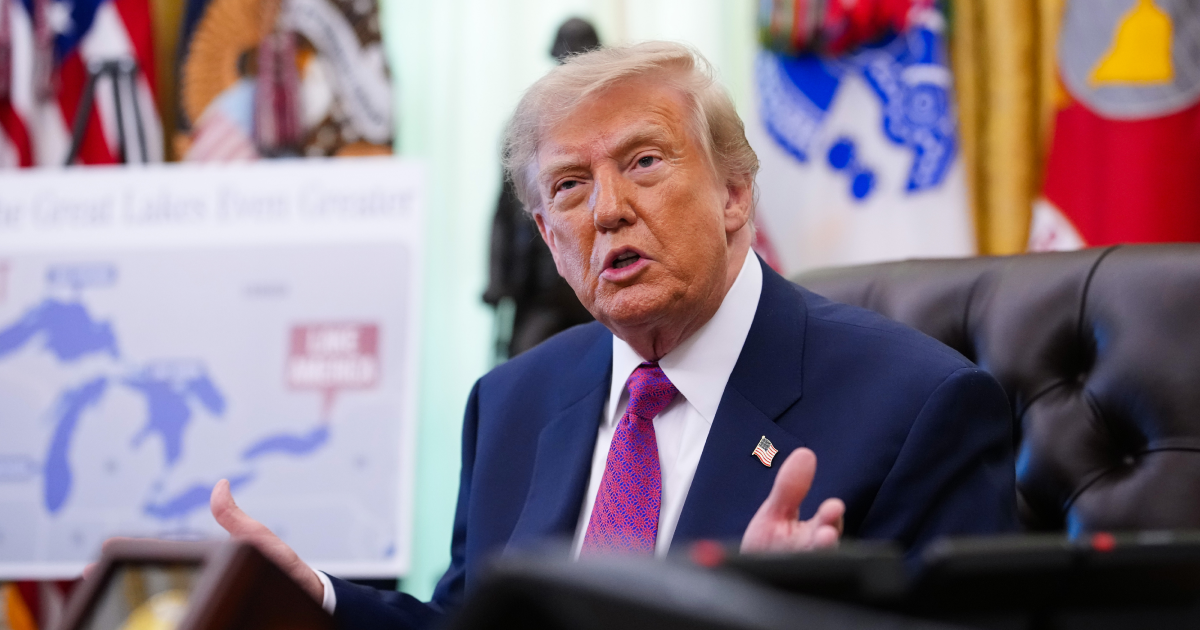
The murders famously led Donald Trump to enter the debate, “guns ablazing.” In an October post on social media, Trump said he had directed the Department of War to be ready for “possible action,” warning that unless Nigeria acted, the United States might “send the military into Nigeria.”

He also threatened to cut all aid to what he called “the now disgraced country,” adding, “If we attack, it will be fast, vicious, and sweet, just like the terrorist thugs attack our cherished Christians!”

Interestingly, presumably because the idea of Christian persecution is intolerable to a narrative that seeks to paint Christianity as a faith that persecutes rather than is persecuted, secular media went into overdrive to try to dismantle the claims.

The BBC, characteristically the most emphatic in its scepticism, made a particularly striking effort to ignore the dead and to prove President Trump wrong. With little to go on, given Christians are clearly being murdered in their thousands in the west African country, the corporation questioned the methodology of the InterSociety report, which is thought to have provided the figures Senator Ted Cruz used to raise the alarm. Amazingly, they made no mention of the UK Government’s 2019 Mounstephen Review, which documented systematic violence and concluded that Boko Haram’s targeting of Christians aimed to diminish Christianity and advance Islamist extremism, striving to pave the way for wholesale Islamisation.

Related: BBC's Nigeria coverage: when fact-checking becomes editorial evasion

Similarly, Nigerian public figures moved quickly to the secular pulpit to discredit the claims. Speaking to Al Jazeera, Bulama Bukarti, a Nigerian humanitarian lawyer, described concerns about the country’s religious minority as “a dangerous far-right narrative that has simmered for a long time that President Trump is amplifying today.” At the level of government, Daniel Bwala, a spokesman for Nigerian President Bola Tinubu, attributed the fears to the US President’s rhetoric, saying: “Trump’s style of going forceful in order to force a sit-down and have a conversation.”

But, as George Gilbey recently wrote in the Herald: “The dead remain dead. Their churches remain burned. Their families remain displaced.” The cost in lives to Nigeria’s Christians, particularly since the 2009 Boko Haram uprising in north-east Nigeria, has been enormous, and some, even if only a small fraction, of those stories deserve amplification.

Deborah Samuel was a second-year economics student at the Shehu Shagari College of Education in Sokoto, Nigeria. In 2022, she allegedly criticised a WhatsApp group for being used to propagate religious ideology to students. She was forcibly taken from the protection of campus security and the police who, apparently unable to quell the unarmed students, failed to rescue her. She was stoned by a mob of Muslim students before her body was set alight. She was 19.

While the response to her abduction was woeful and suggested complicity or negligence by authorities, the response to her murder was worse still. Despite the attack involving a mob allegedly too large for local police to control, only two assailants were brought to trial. A pro bono legal team of 34 lawyers assembled to defend the two suspects, charged with “criminal conspiracy and incitement of public disturbance”, offences carrying a maximum sentence of two years. Led by Professor Mansur Ibrahim, a law lecturer at the Usmanu Danfodiyo University, the trial already seemed unlikely to deliver meaningful justice. Their counsel came to nothing when police failed to provide adequate evidence or prosecution support, and the court dismissed the case. Local police sympathies were underscored when one officer filmed himself endorsing the lynching, calling critics “kafir”, and describing Deborah Samuel’s attackers as justified. In the same recording, the officer referred to anyone questioning the lynching as a “Kafir.”

Priests are a particular focus of anti-Christian violence in Nigeria, with 145 Roman Catholic clergymen having been kidnapped since 2015. In March this year, Fr Sylvester Okechukwu, 44, of the Diocese of Kafanchan, was bound by his kidnappers and shot in the head at close range with an assault rifle, according to officials in his diocese.

In 2022, another priest of the same diocese, also 44, Fr John Mark Cheitnum, was kidnapped and later murdered. Described as “an ever-smiling, humorous, and dedicated priest of God”, he was shot by militants who feared he could not run fast enough and would slow their retreat. Fr Cheitnum’s diocese urged peace in the face of hardship, saying: “As we solicit prayers for the repose of our dear brother priest, and God’s consolation on his immediate family, we wish to humbly call on all and sundry to refrain from taking the law into their own hands.”

Clergymen of other churches are also particularly prized targets for extremists, and, in the shameless and degenerate actions of militants, so are their wives.

Bridget Agbahime was the wife of a Christian pastor in Kano city, affectionately known locally as “Mama Pastor.” In June 2016, she asked a man not to perform ritual Islamic cleansing at her shopfront. In reaction to the perceived insult, a mob arrived demanding that the 74-year-old grandmother die for alleged blasphemy. She knelt to pray before being beaten to death.

The above represents a tiny snapshot of the rampant persecution of Christians, a handful of names from what could be an extensive register. It is not for individual Christians to answer violence with violence, nor to right wrongs committed by militants enabled by lax authorities. But as Catholics, we honour those who have died the heroic death of martyrdom through dulia (veneration) and seek their intercession. In our prayer, as we picture the martyrs in the court of heaven before the throne of God, we might imagine a considerable Nigerian contingent, the names above among them.

Related: What Pope Leo’s Curia appointments say about Nigeria's Christians
Nigeria is Africa’s most populous country, holding almost twice as many people as the second, Ethiopia. Its population has increased tenfold in the past 100 years, and with a fertility rate more than three times that of the United States, the population surge is unlikely to dissipate any time soon. However, its impressive fecundity is not the reason it has dominated international headlines of late.

Nigeria is also a hotbed of Christian persecution. According to Open Doors, in 2024 Nigeria was the country with the highest number of Christians killed for their faith, with 3,100 Christians killed and 2,830 kidnapped that year.

The murders famously led Donald Trump to enter the debate, “guns ablazing.” In an October post on social media, Trump said he had directed the Department of War to be ready for “possible action,” warning that unless Nigeria acted, the United States might “send the military into Nigeria.”

He also threatened to cut all aid to what he called “the now disgraced country,” adding, “If we attack, it will be fast, vicious, and sweet, just like the terrorist thugs attack our cherished Christians!”

Interestingly, presumably because the idea of Christian persecution is intolerable to a narrative that seeks to paint Christianity as a faith that persecutes rather than is persecuted, secular media went into overdrive to try to dismantle the claims.

The BBC, characteristically the most emphatic in its scepticism, made a particularly striking effort to ignore the dead and to prove President Trump wrong. With little to go on, given Christians are clearly being murdered in their thousands in the west African country, the corporation questioned the methodology of the InterSociety report, which is thought to have provided the figures Senator Ted Cruz used to raise the alarm. Amazingly, they made no mention of the UK Government’s 2019 Mounstephen Review, which documented systematic violence and concluded that Boko Haram’s targeting of Christians aimed to diminish Christianity and advance Islamist extremism, striving to pave the way for wholesale Islamisation.

Related: BBC's Nigeria coverage: when fact-checking becomes editorial evasion

Similarly, Nigerian public figures moved quickly to the secular pulpit to discredit the claims. Speaking to Al Jazeera, Bulama Bukarti, a Nigerian humanitarian lawyer, described concerns about the country’s religious minority as “a dangerous far-right narrative that has simmered for a long time that President Trump is amplifying today.” At the level of government, Daniel Bwala, a spokesman for Nigerian President Bola Tinubu, attributed the fears to the US President’s rhetoric, saying: “Trump’s style of going forceful in order to force a sit-down and have a conversation.”

But, as George Gilbey recently wrote in the Herald: “The dead remain dead. Their churches remain burned. Their families remain displaced.” The cost in lives to Nigeria’s Christians, particularly since the 2009 Boko Haram uprising in north-east Nigeria, has been enormous, and some, even if only a small fraction, of those stories deserve amplification.

Deborah Samuel was a second-year economics student at the Shehu Shagari College of Education in Sokoto, Nigeria. In 2022, she allegedly criticised a WhatsApp group for being used to propagate religious ideology to students. She was forcibly taken from the protection of campus security and the police who, apparently unable to quell the unarmed students, failed to rescue her. She was stoned by a mob of Muslim students before her body was set alight. She was 19.

While the response to her abduction was woeful and suggested complicity or negligence by authorities, the response to her murder was worse still. Despite the attack involving a mob allegedly too large for local police to control, only two assailants were brought to trial. A pro bono legal team of 34 lawyers assembled to defend the two suspects, charged with “criminal conspiracy and incitement of public disturbance”, offences carrying a maximum sentence of two years. Led by Professor Mansur Ibrahim, a law lecturer at the Usmanu Danfodiyo University, the trial already seemed unlikely to deliver meaningful justice. Their counsel came to nothing when police failed to provide adequate evidence or prosecution support, and the court dismissed the case. Local police sympathies were underscored when one officer filmed himself endorsing the lynching, calling critics “kafir”, and describing Deborah Samuel’s attackers as justified. In the same recording, the officer referred to anyone questioning the lynching as a “Kafir.”

Priests are a particular focus of anti-Christian violence in Nigeria, with 145 Roman Catholic clergymen having been kidnapped since 2015. In March this year, Fr Sylvester Okechukwu, 44, of the Diocese of Kafanchan, was bound by his kidnappers and shot in the head at close range with an assault rifle, according to officials in his diocese.

In 2022, another priest of the same diocese, also 44, Fr John Mark Cheitnum, was kidnapped and later murdered. Described as “an ever-smiling, humorous, and dedicated priest of God”, he was shot by militants who feared he could not run fast enough and would slow their retreat. Fr Cheitnum’s diocese urged peace in the face of hardship, saying: “As we solicit prayers for the repose of our dear brother priest, and God’s consolation on his immediate family, we wish to humbly call on all and sundry to refrain from taking the law into their own hands.”

Clergymen of other churches are also particularly prized targets for extremists, and, in the shameless and degenerate actions of militants, so are their wives.

Bridget Agbahime was the wife of a Christian pastor in Kano city, affectionately known locally as “Mama Pastor.” In June 2016, she asked a man not to perform ritual Islamic cleansing at her shopfront. In reaction to the perceived insult, a mob arrived demanding that the 74-year-old grandmother die for alleged blasphemy. She knelt to pray before being beaten to death.

The above represents a tiny snapshot of the rampant persecution of Christians, a handful of names from what could be an extensive register. It is not for individual Christians to answer violence with violence, nor to right wrongs committed by militants enabled by lax authorities. But as Catholics, we honour those who have died the heroic death of martyrdom through dulia (veneration) and seek their intercession. In our prayer, as we picture the martyrs in the court of heaven before the throne of God, we might imagine a considerable Nigerian contingent, the names above among them.

Related: What Pope Leo’s Curia appointments say about Nigeria's Christians
share

subscribe to the catholic herald today

Our best content is exclusively available to our subscribers. Subscribe today and gain instant access to expert analysis, in-depth articles, and thought-provoking insights—anytime, anywhere. Don’t miss out on the conversations that matter most.
Subscribe