


July 9, 2026

‘Nun Girl Summer’: the internet’s most unlikely obsession

Delphine Chui
More
Related
Min read
share

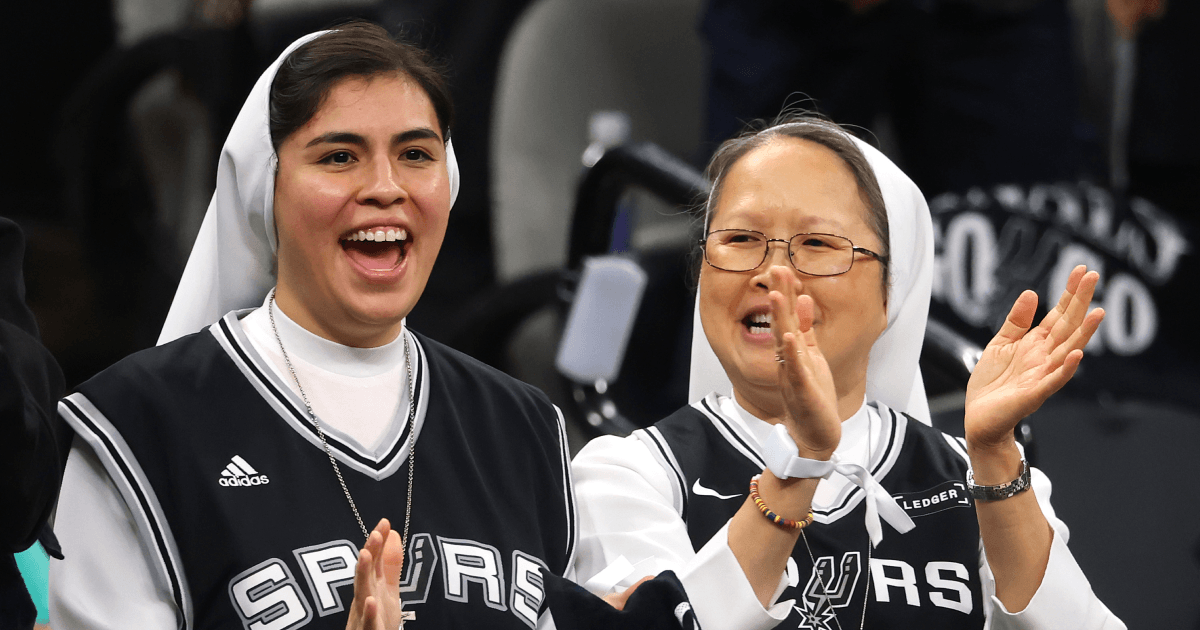
Who could have predicted that one of the defining internet trends of 2026 would involve Religious sisters? From the Salesian Sisters of St John Bosco making a surprise appearance at the NBA Finals to the Dominican Sisters’ Open Mic podcast going viral, social media has found its latest stars – not algorithm-chasing influencers, but women who have renounced worldly fame altogether.

Even the secular women’s magazine Cosmopolitan has taken notice, dubbing this “nun girl summer” after Spotify data revealed a 3,500 per cent spike in listeners since February, with the Dominican Sisters’ podcast drawing an audience across every generation, from Baby Boomers to Gen Z.
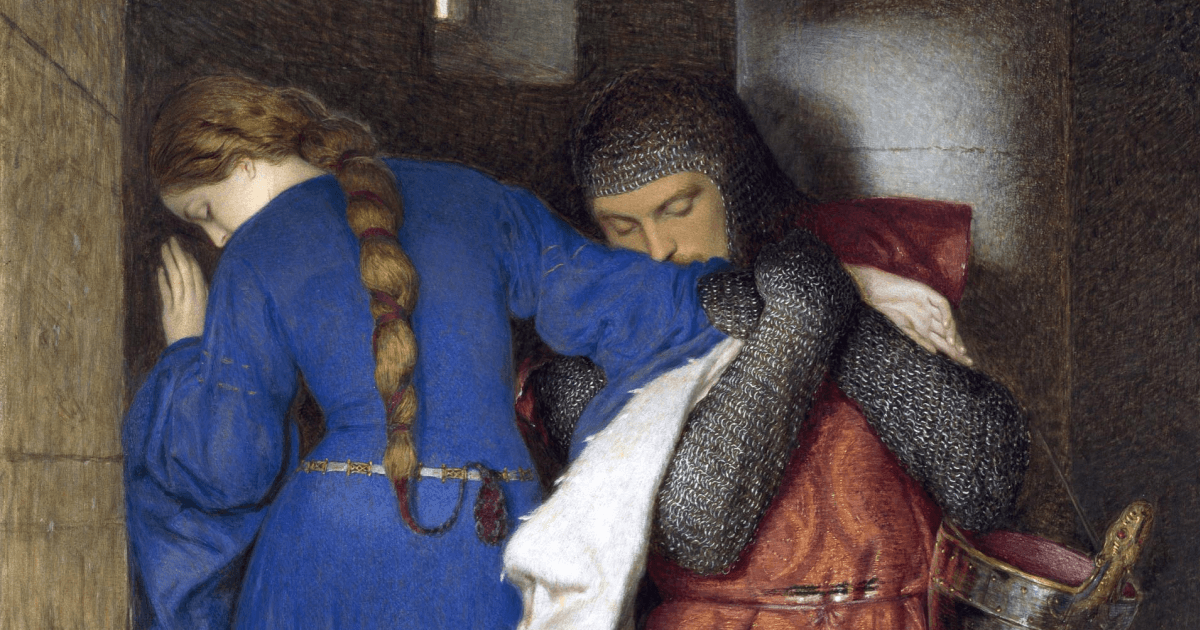
In an online world dominated by snark, outrage and cynicism, these sisters offer something radically different: joy. As the magazine puts it: “the sisters are so damn positive… they emerge as a breath of fresh air out of all the doomscrolling.”

For years, cultural commentators have spoken of a growing “meaning crisis”: young adults today are more digitally connected than any previous generation, yet report record levels of loneliness, anxiety and dissatisfaction. Social media promises endless connection but often delivers comparison and overwhelm instead, with the internet rewarding controversy and conflict with clicks and comments.

Against this backdrop, the sight of women laughing together over simple conversations about prayer, cooking, community life and even whether they have hobbies feels almost revolutionary. One particularly viral exchange captures this perfectly.

“Do you have a hobby, Sister?”

“I do not, Sister.”

It is funny precisely because it runs so completely against our modern assumptions, since we live in a culture obsessed with personal optimisation, side hustles and carefully curated identities.

The sister’s response quietly suggests another possibility: perhaps our identity need not be constructed through endless “Instagram-worthy” self-expression; perhaps it can simply be received.

The irony, of course, is that these women are becoming influencers without outwardly trying to influence anyone. Unlike many online personalities, the sisters are not building a personal brand, monetising themselves or crafting an aspirational lifestyle; their witness carries credibility precisely because it is unmanufactured. They have spent years, often decades, learning to decrease so that Christ may increase, and that detachment, authenticity and humility are attractive to us, at both a natural and supernatural level.

Modern society – and often we within the Church too – tends to locate fulfilment primarily in marriage, children, career success or personal achievement. From this perspective, religious life can appear to be a life of absence, defined by a series of “nos”. But Christianity has always understood vocation differently. A religious sister does not merely give things up; she gives herself to Someone, to Jesus. Her celibacy is not principally a rejection of marriage but a radical affirmation that Christ alone is enough – a conviction that remains deeply counter-cultural, both for the secular world and for lay Christians, however much we aspire otherwise.

Perhaps this is why so many young people, including many with little or no religious background, find themselves fascinated by nuns. They recognise that these women possess an inexplicable interior freedom that seems increasingly elusive elsewhere. The sisters are not anxious about keeping up appearances, they are not endlessly reinventing themselves and they certainly aren’t performing for the algorithm.

Instead, they radiate the quiet confidence that comes from knowing who they belong to. So let this be a gentle reminder – and challenge – to all of us Catholics. For decades, we’ve worried that religious life has become invisible in modern society; just this Sunday, my parish priest begged us to “storm Heaven” with prayers for priests and religious sisters in our diocese during his homily.

But I’d argue that the problem has never necessarily been opportunity or visibility, but confidence. Whenever joyful, faithful religious sisters simply live their vocation publicly, the world can’t help but notice; not because convent life is fashionable or habits are suddenly trendy, but because authentic joy is always attractive.

Pope Benedict XVI famously preached that “the Church grows not by proselytism but by attraction”, and although few could have imagined that this attraction would one day play out through viral podcast clips and TikTok edits, the principle remains exactly the same: people are drawn towards beauty, authenticity and hope.

Of course, virality is fleeting; today’s internet sensation is tomorrow’s forgotten meme. There is always the danger that religious life becomes reduced to aesthetic entertainment – a passing fascination with habits, wholesome humour and convent life, without ever engaging the Person at its centre. This is, after all, a hallmark of much New Age spirituality: biblical concepts with God removed and “me” put at the centre instead.

The real opportunity lies in asking ourselves: if millions are stopping to watch joyful sisters because they seem refreshingly different, what makes these sisters like this?

The answer is not a clever social media strategy or branding, but Christ. Every genuine religious vocation ultimately points beyond ourselves as a signpost (not a destination), inviting us to look towards the One who is the source of the joy that people – secular and faithful alike – are able to instinctively recognise.

If “Nun Girl Summer” encourages even a handful of people to ask deeper questions about faith, vocation and the possibility that lasting happiness might be found somewhere beyond the endless scroll, then perhaps this unlikely internet trend will have achieved something far more significant than a viral moment.

It may become a quiet reminder to us all that holiness will always remain the most compelling witness of all.

Continue reading with a free account

Create a free account to read up to five articles each month
Create free account

You have # free articles remaining this month.

Subscribe to get unlimited access.
Sign up

subscribe to the catholic herald today

Our best content is exclusively available to our subscribers. Subscribe today and gain instant access to expert analysis, in-depth articles, and thought-provoking insights—anytime, anywhere. Don’t miss out on the conversations that matter most.
Subscribe