


On April 21 we celebrate the feast of St Anselm, Doctor of the Church (d 1109), the greatest theologian and philosopher of his day. He is best known for his “ontological argument” for the existence of God and the motto “fides quaerens intellectum – faith seeking understanding”. As archbishop of Canterbury, Anselm was a rock during the Investiture Controversy (over who could name bishops and abbots, the pope or the king), even suffering exile twice. Speaking of the greatest theologian of his day, in 2009 Pope Benedict XVI gave a general audience address about Anselm. Here is a taste: “I pray, O God, to know you, to love you, that I may rejoice in you. And if I cannot attain to full joy in this life may I at least advance from day to day, until that joy shall come to the full.” This prayer enables us to understand the mystical soul of this great saint of the Middle Ages, the founder of scholastic theology, to whom Christian tradition has given the title: “Magnificent Doctor”, because he fostered an intense desire to deepen his knowledge of the divine Mysteries but in the full awareness that the quest for God is never ending, at least on this earth. The clarity and logical rigour of his thought always aimed at “raising the mind to contemplation of God”. He states clearly that whoever intends to study theology cannot rely on his intelligence alone but must cultivate at the same time a profound experience of faith. "The theologian’s activity, according to St Anselm, thus develops in three stages: faith, a gift God freely offers, to be received with humility; experience, which consists in incarnating God’s word in one’s own daily life; and therefore true knowledge, which is never the fruit of ascetic reasoning but rather of contemplative intuition. In this regard his famous words remain more useful than ever, even today, for healthy theological research and for anyone who wishes to deepen his knowledge of the truths of faith: “I do not endeavour, O Lord, to penetrate your sublimity, for in no wise do I compare my understanding with that; but I long to understand in some degree your truth, which my heart believes and loves. For I do not seek to understand that I may believe, but I believe in order to understand. For this also I believe, that unless I believed, I should not understand.”
1:00 PM
Omnium Gatherum
Fr John Zuhlsdorf

3 min read



Already a subscriber? Sign in
5freearticles every month
Continue reading with a free account. No card needed.
- Five free articles every thirty days, on any device you sign in on
- The Catholic Herald newsletter, every morning
- Subscribe whenever you like for everything: every article and the magazine
Related articles
 Newsroom
Church leaders urge Drumcree dialogue: ‘Too much is at stake’
The Catholic and Church of Ireland Archbishops of Armagh have urged a renewed commitment to peace and reconciliation amid the Drumcree stand-off
Corrie Douglas-Young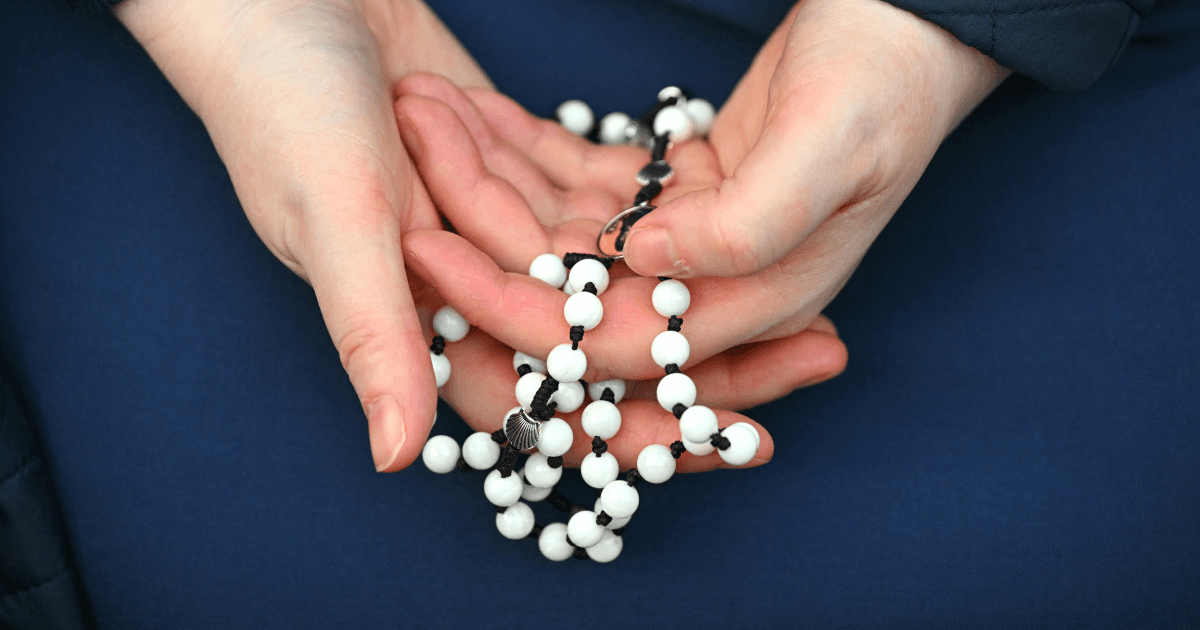 Newsroom
Thousands of Irish children to join global Rosary campaign
Corrie Douglas-Young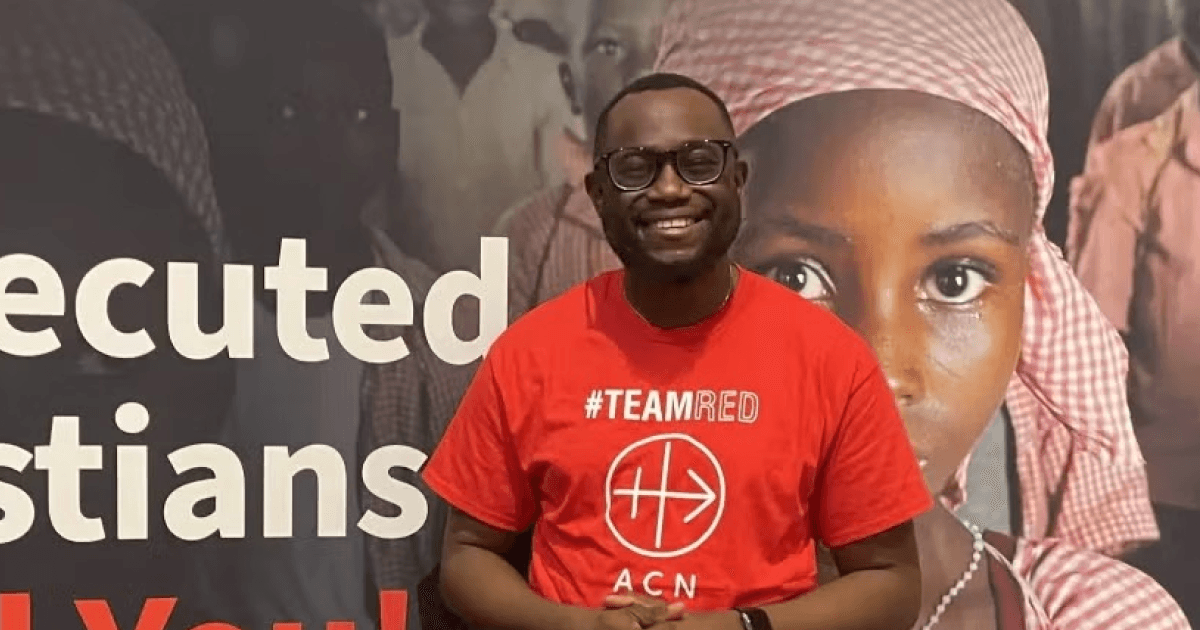 Newsroom
TikTok priest urges young people to stand with persecuted Christians
Nathalie Raffray Newsroom
Baby born at 25 weeks reunites with neonatologist two years after leaving hospital
The Catholic Herald Newsroom
Joe Biden honoured by Planned Parenthood after defending abortion rights
Christine Rousselle
subscribe to the catholic herald today
Our best content is exclusively available to our subscribers. Subscribe today and gain instant access to expert analysis, in-depth articles, and thought-provoking insights—anytime, anywhere. Don’t miss out on the conversations that matter most.
Subscribe



