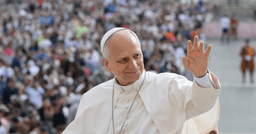
Close on the heels of ordination season in dioceses across the world, the relative peace of the summer recess continues around the Vatican, with Pope Leo’s holidays not due to end until next weekend, and only the appeal from the Society of St Pius X threatening to interrupt his break.
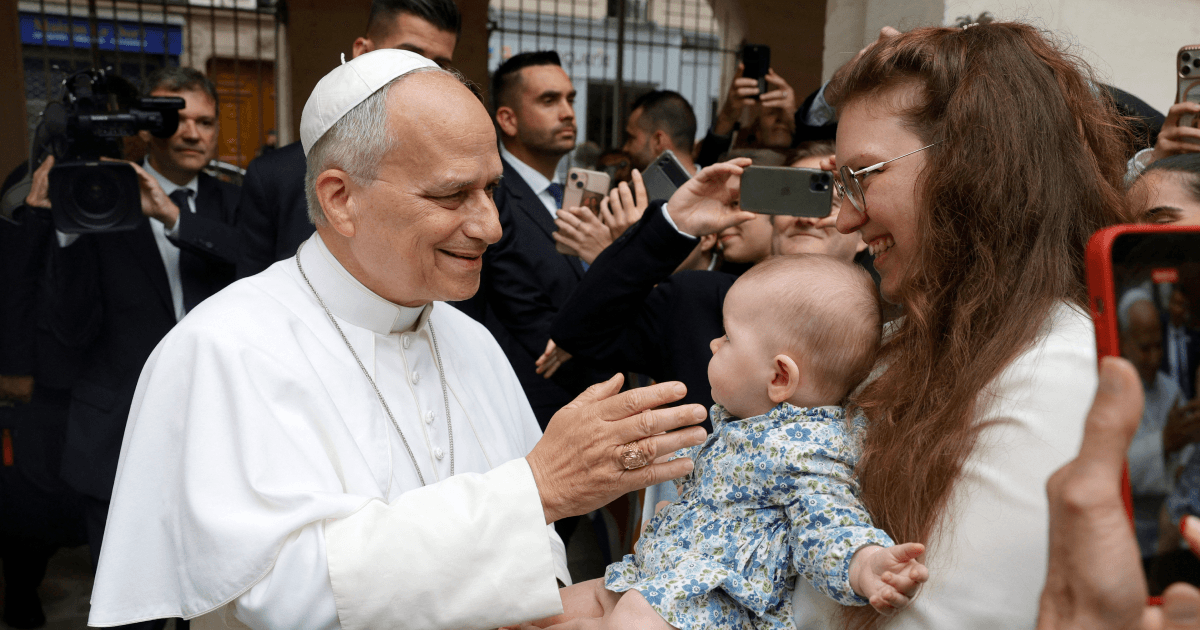
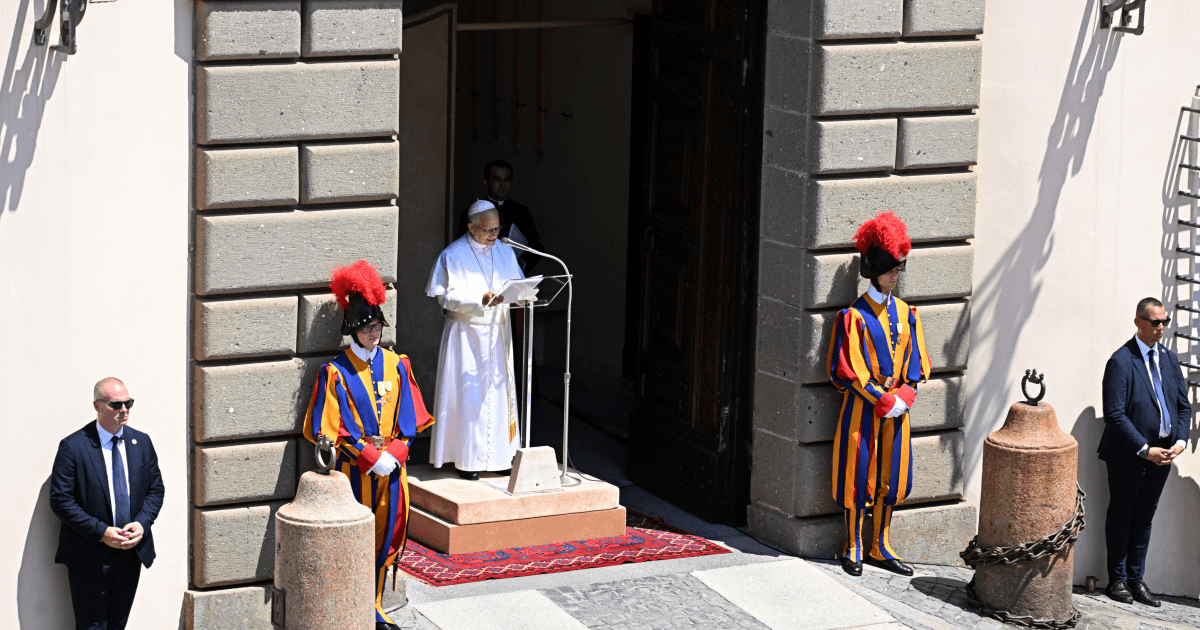
Leo’s return to taking his summer holidays in the papal villa of Castel Gandolfo has been met with widespread joy. Pope Francis’s decision not to use the summer residence, and instead open it up to tourists, left the hilltop town devoid not only of its annual papal visitor but also of the crucial tourist income that accompanied the papal holidays.
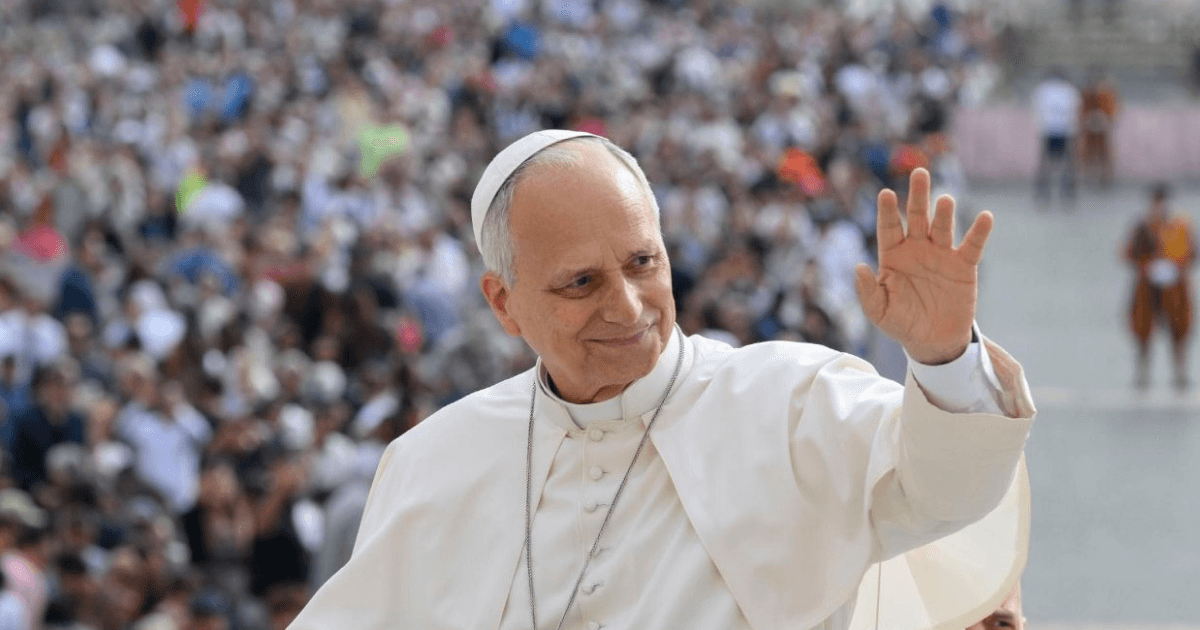
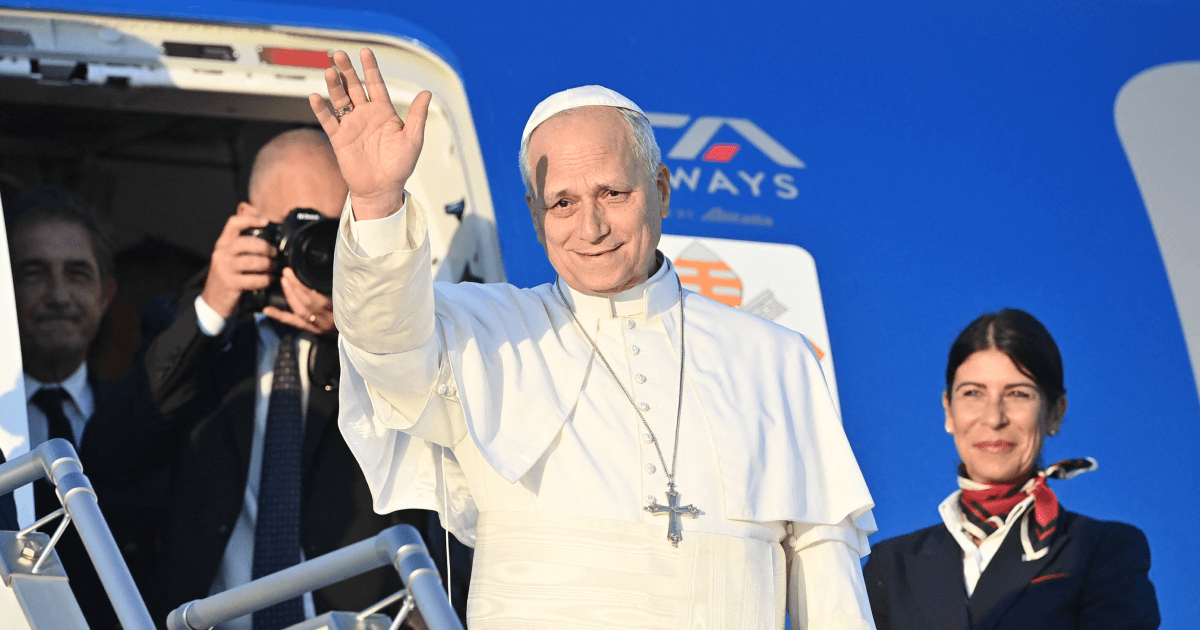
For the American Pope, Castel Gandolfo has proved a firm favourite. He has been visiting every week for a dies non and this month is spending just over three weeks of quiet time in the villa. Last year he spent the summer break in Villa Barberini, but this year he is ensconced in the main villa – the traditional summer home of the popes.
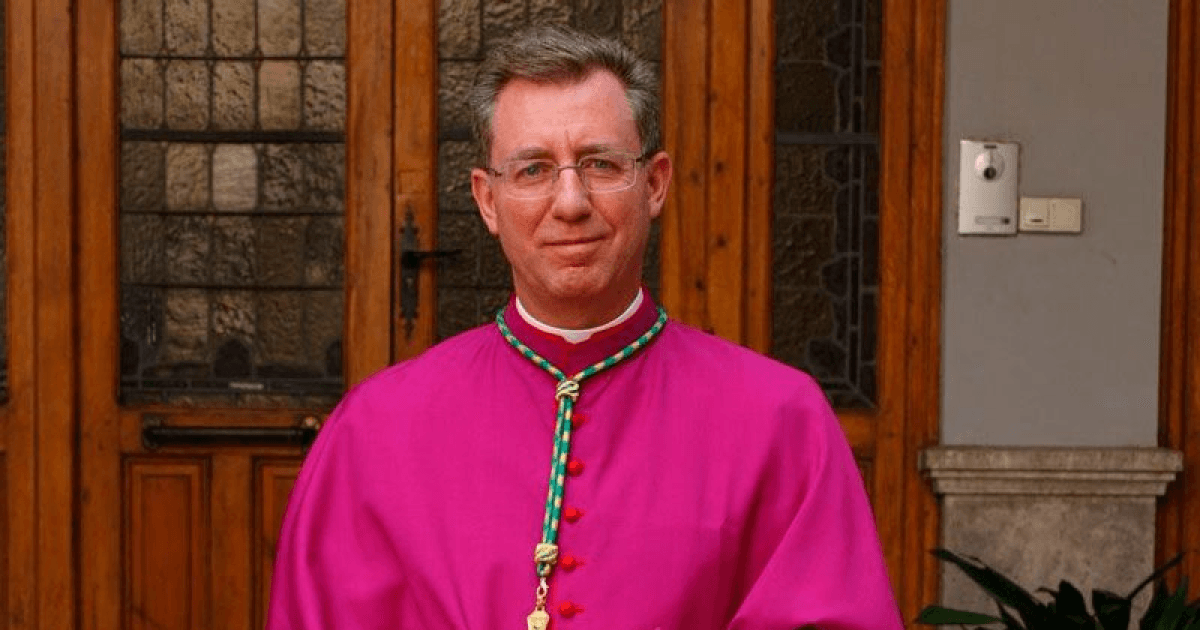
So happy are the locals to welcome Leo that they are staging a concert in his honour on Saturday evening. Organised by the Diocese of Albano as a gift to the Pope, the event will be held inside the courtyard of the papal palace and feature a selection of classical music. According to Albano’s Bishop Vincenzo Viva: “The renewed presence of the Holy Father in our diocesan territory has filled our local Church and its people with joy.”
With the papal recess comes the inevitable slow pace of papal and Vatican news. But if there is one item on the list that could disrupt the summer slumber, it is that of the SSPX.
The Society announced on July 13 that it had filed a “preliminary recourse” to the Dicastery for the Doctrine of the Faith (DDF) against the Decree of excommunication issued by the DDF on July 2. No specific details were given about the content of the appeal, nor who precisely issued it, but if it is against the DDF’s Decree then it would be seeking to argue against the penalty of excommunication incurred by the six bishops of the Society.
The SSPX stated that the appeal fulfils the requirements of being “the mandatory preliminary step before the possible introduction of a hierarchical recourse” and, as such, “has the effect of suspending the execution of the decree, in accordance with canon 1353 of the Code of Canon Law”.
In issuing the preliminary recourse, the SSPX thus admits the legitimacy of the 1983 Code of Canon Law, and also embarks upon a canonical step that Archbishop Marcel Lefebvre did not take following the 1988 consecrations.
It is unlikely that the DDF will change its decision regarding the Society, particularly given the public statements the SSPX has made after the consecrations, including stating that “the Church had its October Revolution through the Second Vatican Council”. Given that the DDF’s proposed “Process of Reconciliation” involves departing SSPX members signing a text promising to read Vatican II in a positive light, the DDF will likely respond that the Society has not shown any change in spirit.
A number of diocesan bishops have responded to the SSPX issue by warning their diocesan faithful against attending Society Masses, and urging them instead to frequent only the approved traditional Masses. But this itself points to a key part of the issue cited by the SSPX – namely the restrictions on the traditional Mass, which show no signs of being lifted.
Such a scenario has prompted renewed calls by bishops and commentators for Leo XIV to lift the punitive restrictions of Traditionis Custodes and return to something resembling the provision outlined by Pope Benedict XVI in Summorum Pontificum. One such figure was Archbishop Salvatore Cordileone.
“Let us pray that an ardent effort towards sincere and honest dialogue will soon start up,” he wrote, “and that easier access to the Traditional form of the Mass will be available to our people, so they will not feel as if they are constrained to seek spiritual nourishment outside of the family in union with Rome.”
He is not alone. Cardinals Gerhard Müller, Raymond Burke and Robert Sarah, together with Archbishop Georg Gänswein, have all made fresh appeals for the lifting of the Latin Mass restrictions in a series of interviews. “I would say: let us allow Traditionis Custodes to disappear gradually,” Sarah told Diane Montagna. “Pope Leo does not need to write a text saying it is abrogated. No – let him leave it and say ‘continue’, and this text will disappear little by little.”
That problematic text itself, Traditionis Custodes, marked its five-year anniversary this week, and, summarising the impact it has had on the Church, Dr Joseph Shaw opined in the Herald that “the spiritual and liturgical lives of many thousands of Catholics loyal to the Papacy have been seriously harmed, and those of tens or hundreds of thousands have been publicly condemned as a source of disunity in the Church”.
It is a “mess” that even those with no particular personal attachment to the traditional Mass have lamented. Cardinal Gerhard Müller told this correspondent that Traditionis Custodes “was superfluous and opened new fronts about not dogmatic questions but only liturgical discipline”.
Indeed, if the Vatican genuinely wishes to stifle the SSPX and prevent what it sees as growth in schism, then widening access to the traditional Mass is the move that many have identified as an absolute necessity. “If you’re going to tell Catholics not to attend SSPX Masses and other sacraments, then pastoral charity demands that you make available to those people legitimate places to go,” said canonist Fr Gerald Murray. “We had many legitimate places to go before Traditionis Custodes.”
This is Leo’s second summer as Pope, and if there was an expectation last year that the summer break would grant him time to prepare changes around the Vatican for the autumn, then that expectation is even greater now.
The Vatican finds itself in an almost untenable position: by ordering Catholics away from SSPX Masses while also firmly clamping down on the traditional Mass, there is a risk that large numbers of the faithful will increasingly ignore Rome not just on this point but on any point going forward. Traditionis Custodes is now at the centre of a discussion about the Church’s internal unity, and it is something that cannot be postponed.
Michael Haynes is an English journalist in the Holy See Press Corps. He serves as Vatican Correspondent for the Catholic Herald, while readers can follow him at Per Mariam and on X/Twitter @MLJHaynes.