

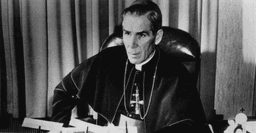


When first I started writing in the Catholic press some 20 summers ago, the fax was enjoying a brief hegemony as the acme of communications technology. Each week my copy chuntered through a sort of small electronic mangle which wrung out the typewritten words somewhere down the phone line miles away in a sub-editor’s office. How sophisticated it seemed, but all too soon the fax ceded its place to email. When I am far from home these days and I need to file my copy, I have to find a WiFi network. It was unquestionably easier to find a fax. Every office, every post office, estate agent’s, solicitor’s office, library or convenience store had a fax machine which, for a consideration, you could use. It was the common land of communication. Internet is the equivalent of enclosure, since though one may be surrounded by WiFi networks, they are, for the most part, private, impenetrable without a code. This week’s attempt to send my copy notched up a rather spectacular first. I sat in a choir stall in a Saxon chapel in Kent to log on. This beautiful small room with a ribbed stone vault is part of one of England’s oldest monastic foundations, Minster Abbey, which was founded 13 centuries ago. As Providence would have it, the feast of St Theodore of Canterbury, a great supporter of the foundation of Minster Abbey, fell while I was staying there. St Theodore’s history bears striking parallels to our own times. He was born in Tarsus, like St Paul. He became a monk and was soon renowned for his scholarship and his prodigious linguistic skills. He is credited with introducing the English monasteries to works of the Eastern Fathers such as Gregory of Nyssa and St John Chrysostom. He left his native Galicia because Christians all round the southern Mediterranean and North Africa were fleeing the persecution of Islamic armies. He was chosen by the pope to become Archbishop of Canterbury, and he found England still beset by a lot of paganism.
8:00 AM
Pastor Iuventus: WiFi comes to a Saxon chapel
Pastor Iuventus

6 min read



Already a subscriber? Sign in
5freearticles every month
Continue reading with a free account. No card needed.
- Five free articles every thirty days, on any device you sign in on
- The Catholic Herald newsletter, every morning
- Subscribe whenever you like for everything: every article and the magazine
Related articles
 Newsroom
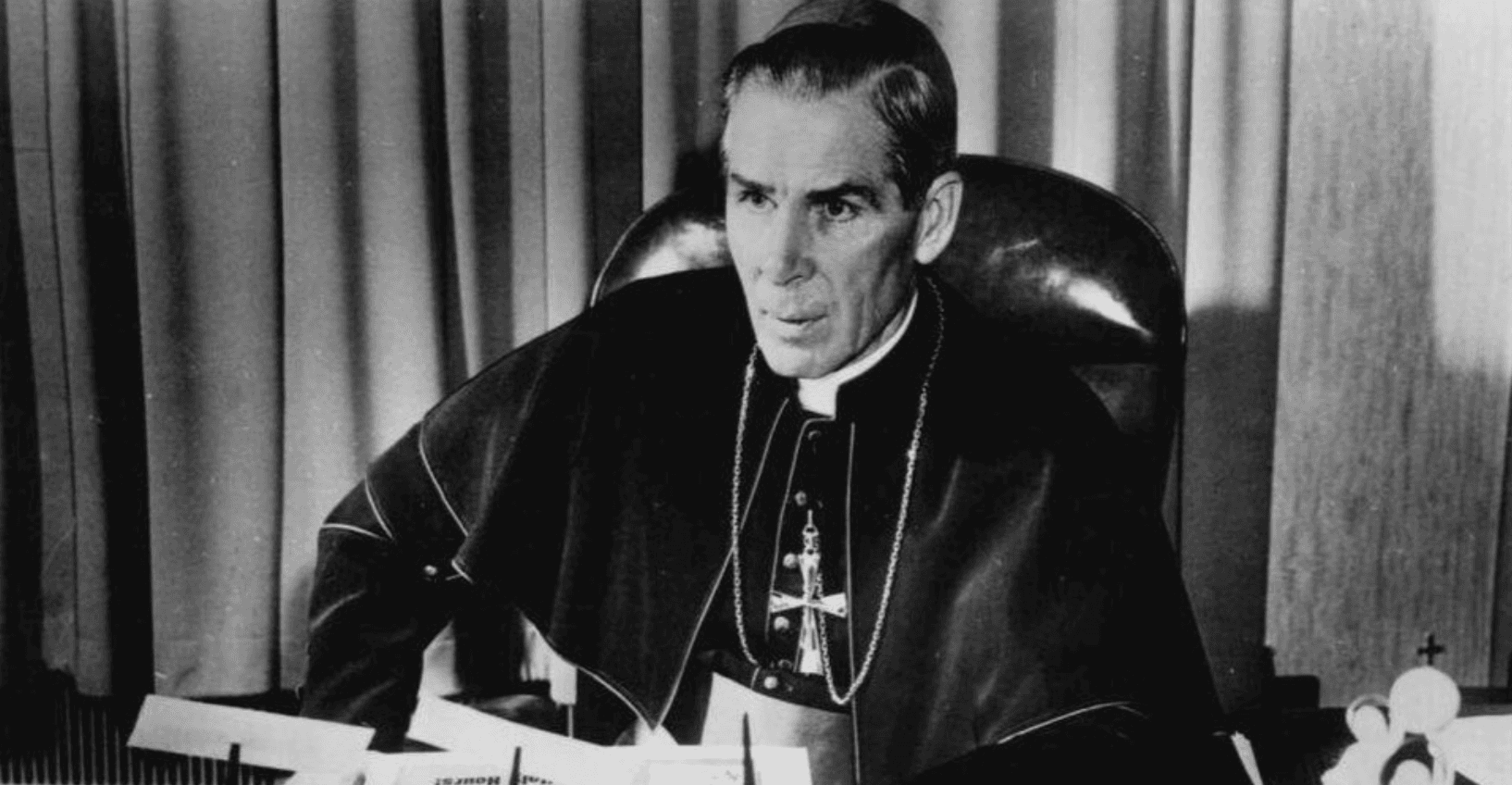
First parish named for Bl Fulton Sheen established in Illinois
Bishop Louis Tylka of Peoria announced the new Blessed Fulton Sheen Parish two days after Sheen became the first American-born bishop to be beatified
Christine Rousselle Newsroom
Injured priest tells Poles: ‘Do not blame Ukraine’ for convent attack
Corrie Douglas-Young Newsroom
Church leaders urge Drumcree dialogue: ‘Too much is at stake’
Corrie Douglas-Young Newsroom
Thousands of Irish children to join global Rosary campaign
Corrie Douglas-Young Newsroom
TikTok priest urges young people to stand with persecuted Christians
Nathalie Raffray
subscribe to the catholic herald today
Our best content is exclusively available to our subscribers. Subscribe today and gain instant access to expert analysis, in-depth articles, and thought-provoking insights—anytime, anywhere. Don’t miss out on the conversations that matter most.
Subscribe



