

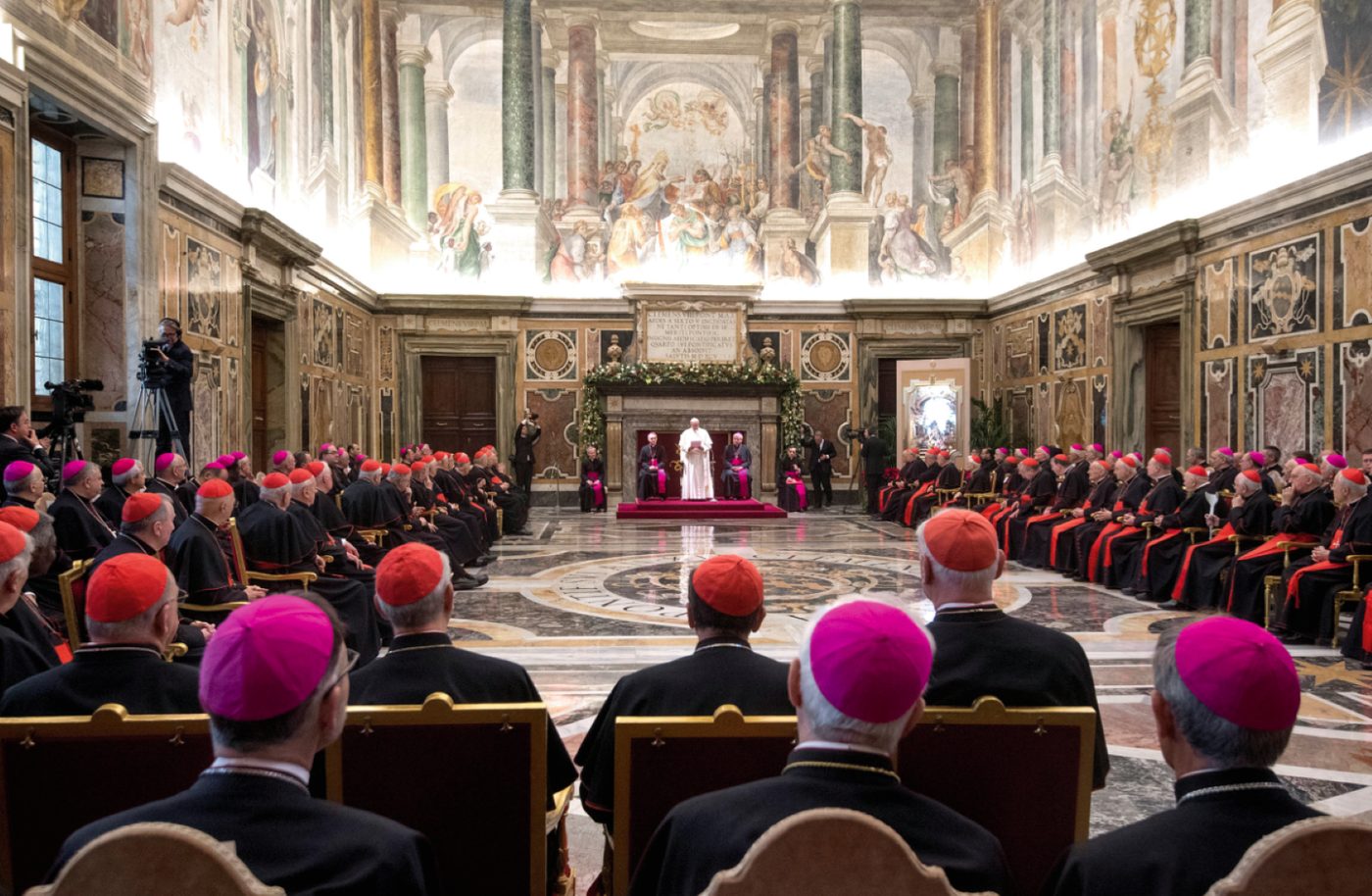
Pope Francis has accused Vatican officials of “ambition”, “vainglory” and “self-referentiality” in his annual address to the Roman Curia. The speech, given shortly before Christmas, has often served as a wake-up call for officials. In 2014, Francis drew up a list of “sicknesses”, such as “spiritual Alzheimer’s” and “existential schizophrenia”, which he said were rife in the Vatican. The Pope once again delivered some stern criticisms of his staff and appeared to allude to recent public controversies. He denounced an “unbalanced and debased mindset of plots and small cliques that in fact represent – for all their self-justification and good intentions – a cancer leading to a self-centredness”. He also referred to former officials who had left after being “corrupted by ambition or vainglory. Then, when they are quietly sidelined, they wrongly declare themselves martyrs of the system, of a ‘Pope kept in the dark’, of the ‘old guard’ … rather than reciting a mea culpa.” The Congregation for the Doctrine of the Faith (CDF) has been the focus of recent controversy. Three officials were removed from their posts, despite protests from the then prefect Cardinal Gerhard Müller. The cardinal’s term was then not renewed – the first time this has happened in recent Vatican history. Cardinal Müller has since complained that Pope Francis “did not give a reason. Just as he gave no reason for dismissing three highly competent members of the CDF a few months earlier.” Another prominent official removed last year was Libero Milone, the Vatican auditor general, who claimed he was forced out by an “old guard” because he was cracking down on financial corruption. In his speech, the Pope praised the “vast majority” of curial officials, saying that most worked with “dedication” and sometimes “great holiness”. But he acknowledged the difficulties of reforming the Curia, quoting a 19th-century statesman who quipped: “Making reforms in Rome is like cleaning the Sphinx with a toothbrush.”
12:00 PM
Pope denounces ‘cancer’ of cliques in the Vatican
Staff writers

2 min read



Already a subscriber? Sign in
5freearticles every month
Continue reading with a free account. No card needed.
- Five free articles every thirty days, on any device you sign in on
- The Catholic Herald newsletter, every morning
- Subscribe whenever you like for everything: every article and the magazine
Related articles
 Newsroom
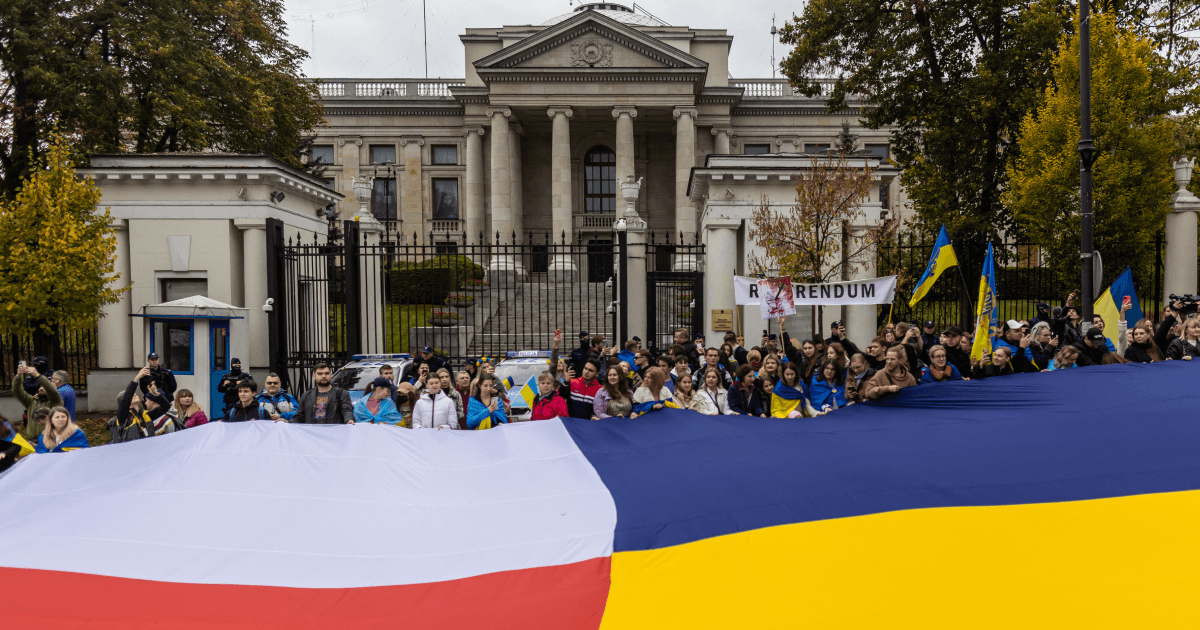
Injured priest tells Poles: ‘Do not blame Ukraine’ for convent attack
Fr Adrian Mantykiewicz, who was injured in the attack that killed a fellow priest, has urged Catholics to pray for the assailant and not blame Ukrainians for his actions
Corrie Douglas-Young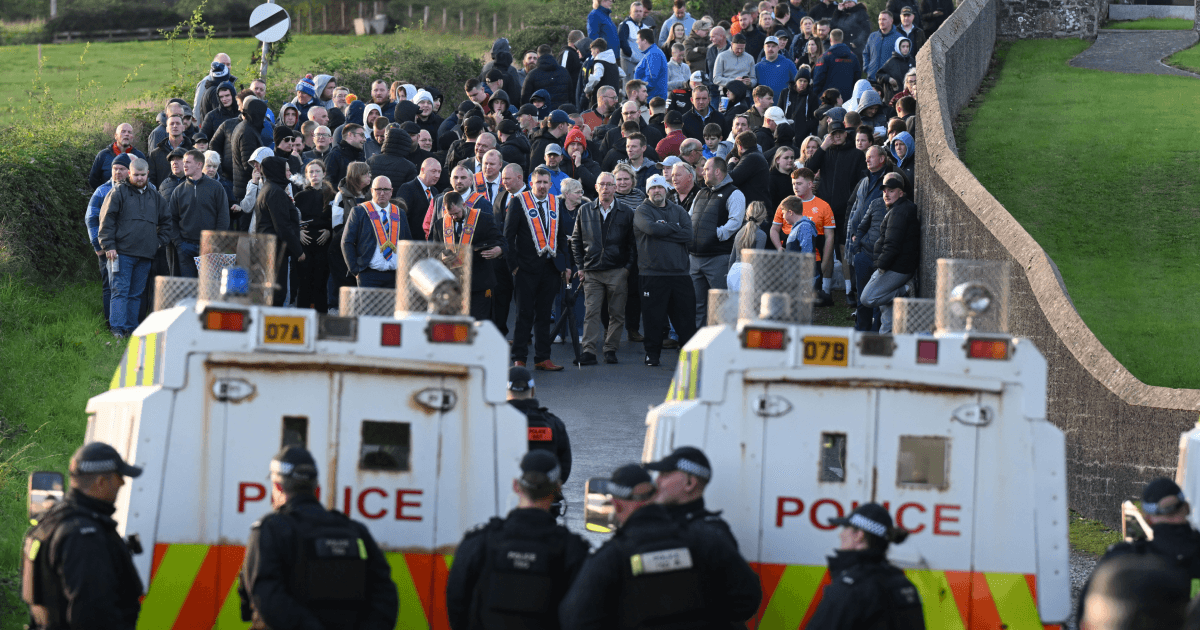 Newsroom
Church leaders urge Drumcree dialogue: ‘Too much is at stake’
Corrie Douglas-Young Newsroom
Thousands of Irish children to join global Rosary campaign
Corrie Douglas-Young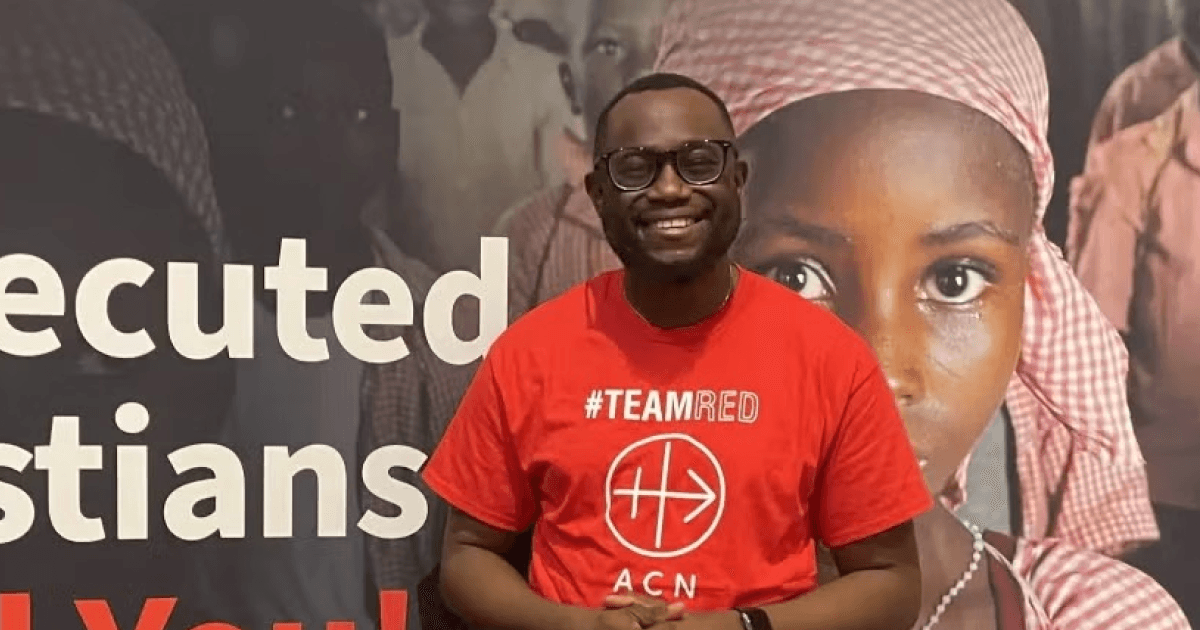 Newsroom
TikTok priest urges young people to stand with persecuted Christians
Nathalie Raffray Newsroom
Baby born at 25 weeks reunites with neonatologist two years after leaving hospital
The Catholic Herald
subscribe to the catholic herald today
Our best content is exclusively available to our subscribers. Subscribe today and gain instant access to expert analysis, in-depth articles, and thought-provoking insights—anytime, anywhere. Don’t miss out on the conversations that matter most.
Subscribe



