


A Visigoth mother St Isidore was born in the mid 6th century, in Cartagena, south-east Spain. His father was a member of the old Hispano-Roman aristocracy and his mother was a Visigoth. His parents had been involved in converting the Visigoth kings to Catholicism from Arianism, a significant historical event. Attacking heresy Isidore was educated at the cathedral school in Seville, recently founded by the Church to spread the teaching of the classical liberal arts, in decline everywhere. At 40 he became archbishop of Seville, succeeding his brother. Under his rule he attacked heresy and encouraged education among the Visigoths. He made all bishops in Hispania establish seminaries in their cathedral cities, and encouraged the study of Greek, Hebrew, law and medicine. A bridge to the past He died in 636 after 32 years as archbishop. Among his legacies are the Origines, an encyclopaedia that featured 448 chapters in two volumes, which helped to preserve much of classical learning. St Isidore is considered a bridge between the ancient and medieval. He was, in the words of the historian Montalembert, “the last scholar of the ancient world”. There is a campaign to have Isidore declared patron of the internet.
11:25 AM
Saint of the week: Isidore of Seville (April 4)
Staff Reporter

1 min read



Already a subscriber? Sign in
5freearticles every month
Continue reading with a free account. No card needed.
- Five free articles every thirty days, on any device you sign in on
- The Catholic Herald newsletter, every morning
- Subscribe whenever you like for everything: every article and the magazine
Related articles
 Newsroom
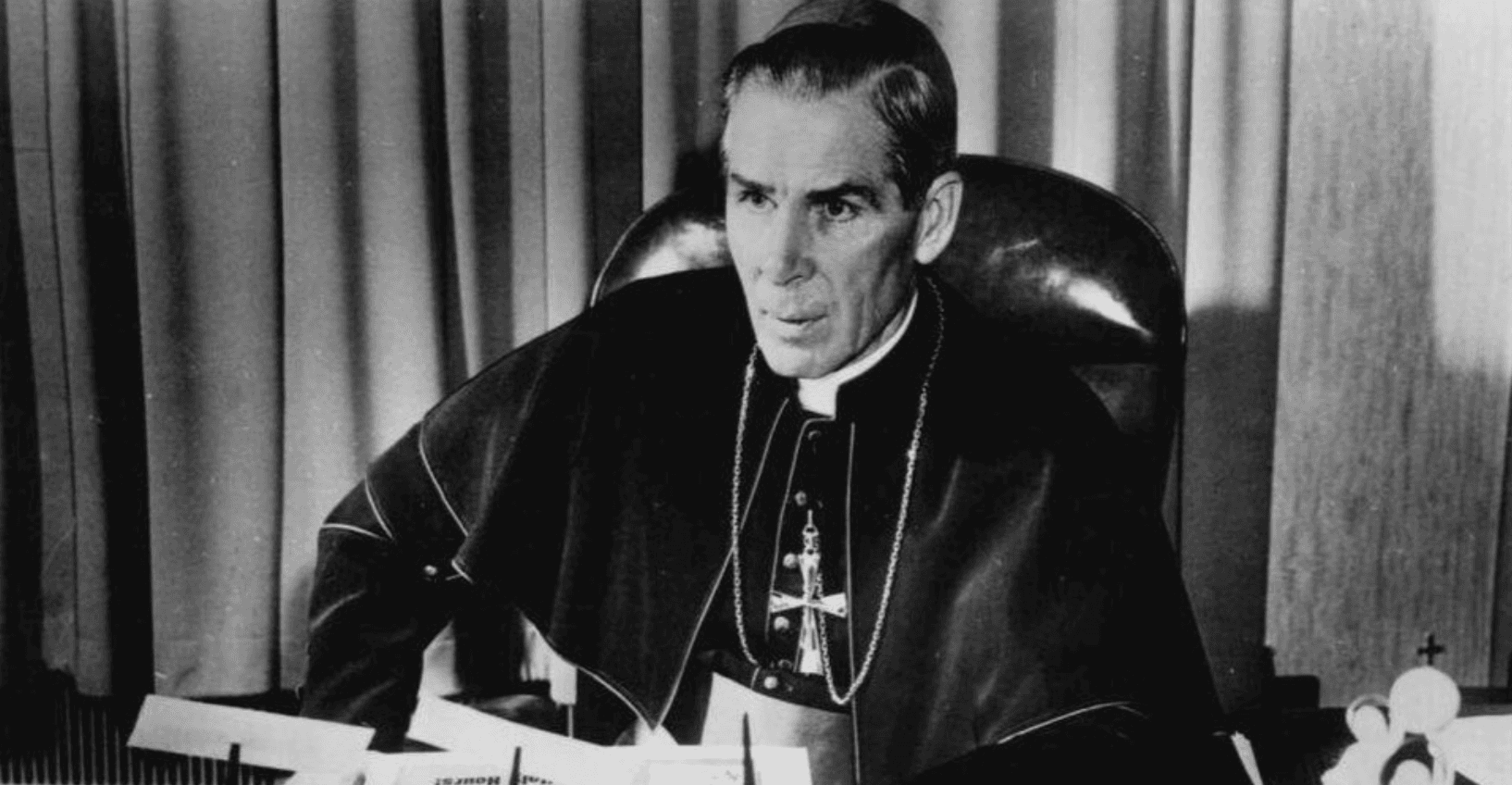
First parish named for Bl Fulton Sheen established in Illinois
Bishop Louis Tylka of Peoria announced the new Blessed Fulton Sheen Parish two days after Sheen became the first American-born bishop to be beatified
Christine Rousselle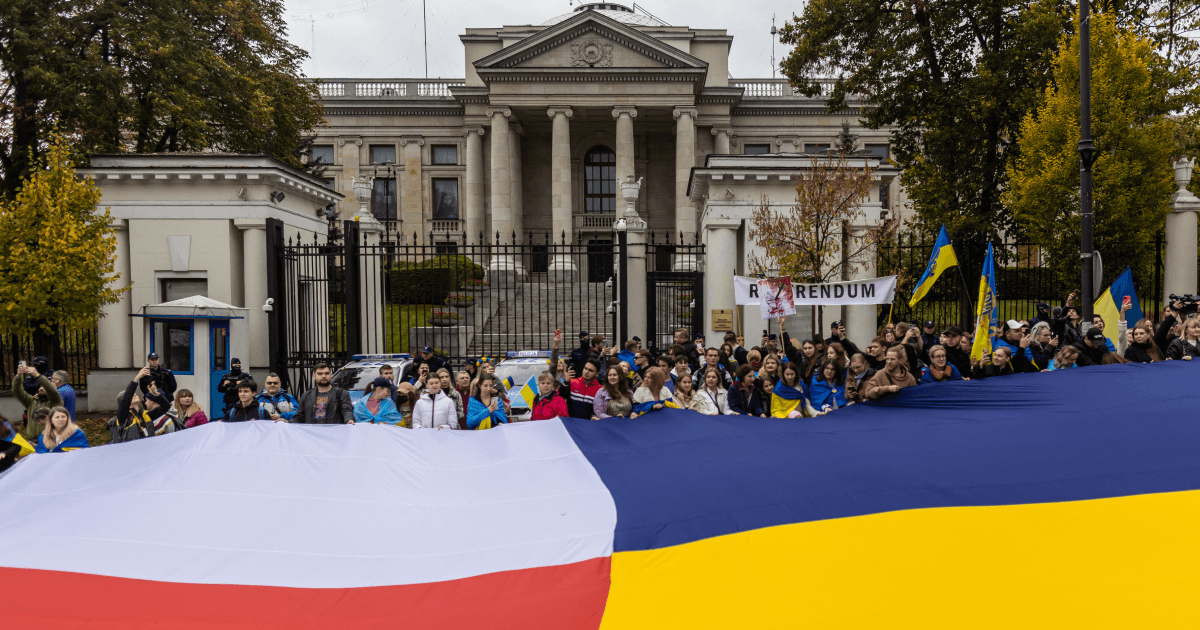 Newsroom
Injured priest tells Poles: ‘Do not blame Ukraine’ for convent attack
Corrie Douglas-Young Newsroom
Church leaders urge Drumcree dialogue: ‘Too much is at stake’
Corrie Douglas-Young Newsroom
Thousands of Irish children to join global Rosary campaign
Corrie Douglas-Young Newsroom
TikTok priest urges young people to stand with persecuted Christians
Nathalie Raffray
subscribe to the catholic herald today
Our best content is exclusively available to our subscribers. Subscribe today and gain instant access to expert analysis, in-depth articles, and thought-provoking insights—anytime, anywhere. Don’t miss out on the conversations that matter most.
Subscribe



