


Hugely popular St Nicholas, bishop of Myra (in the south-west of modern Turkey) during the 4th century, became one of the most venerated saints, the patron of countries (notably Russia and Greece), towns, children, sailors, unmarried girls and scentmakers. In England alone some 400 churches are named after him. The mystery of Nicholas’s popularity is that almost nothing is known about him. In one tradition he was persecuted under Diocletian. In another he struck the heretic Arius at the Council of Nicaea (325). Certainly, though, his cult was well established in the East by the 6th century, and in the West by the 10th century. A Greek historian even wrote of his reputation among Indians and Africans. In 1087, after Myra had fallen to Islam, Italian merchants took Nicholas’s relics to Bari, where Pope Urban II built a magnificent shrine. Sinte Klaas Nicholas is said to have given three bags of gold to three girls in order to save them from prostitution. Conceivably the pawnbrokers’ sign of three golden balls stems from this story. In the Low Countries children were given presents on Nicholas’s feast day. This custom, spread to North America by Dutch Protestants, is now reflected in Santa Claus, Sinte [Ni]Klaas.
12:00 PM
Saint of the week: Nicholas (December 6)
Staff Reporter

2 min read



Already a subscriber? Sign in
5freearticles every month
Continue reading with a free account. No card needed.
- Five free articles every thirty days, on any device you sign in on
- The Catholic Herald newsletter, every morning
- Subscribe whenever you like for everything: every article and the magazine
Related articles
 Newsroom
Church leaders urge Drumcree dialogue: ‘Too much is at stake’
The Catholic and Church of Ireland Archbishops of Armagh have urged a renewed commitment to peace and reconciliation amid the Drumcree stand-off
Corrie Douglas-Young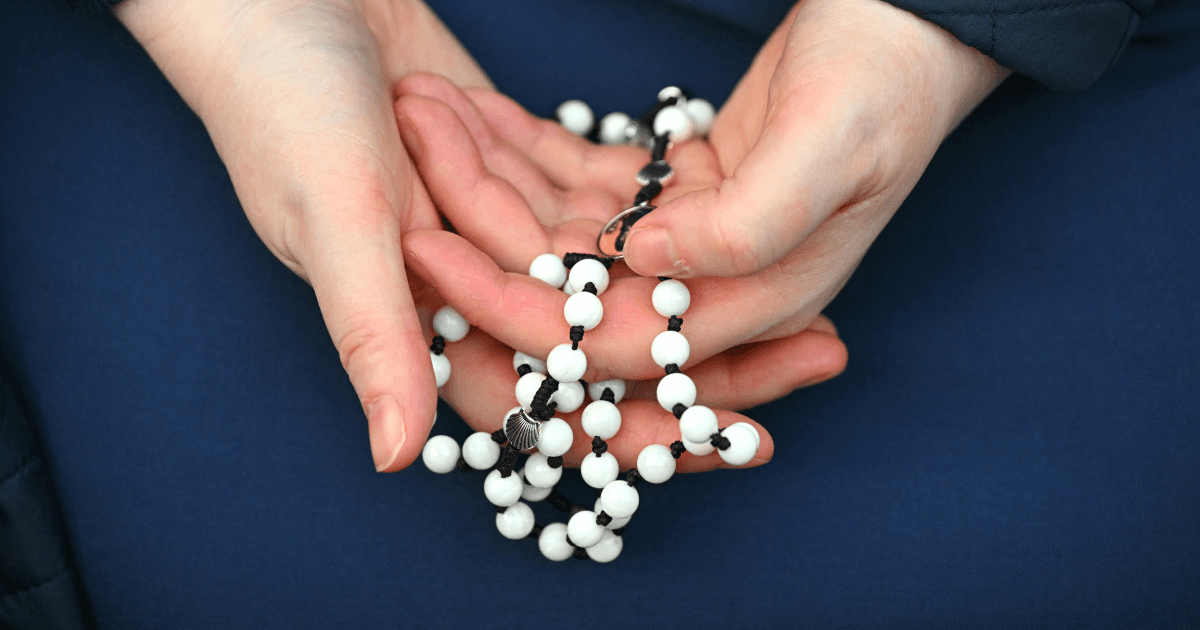 Newsroom
Thousands of Irish children to join global Rosary campaign
Corrie Douglas-Young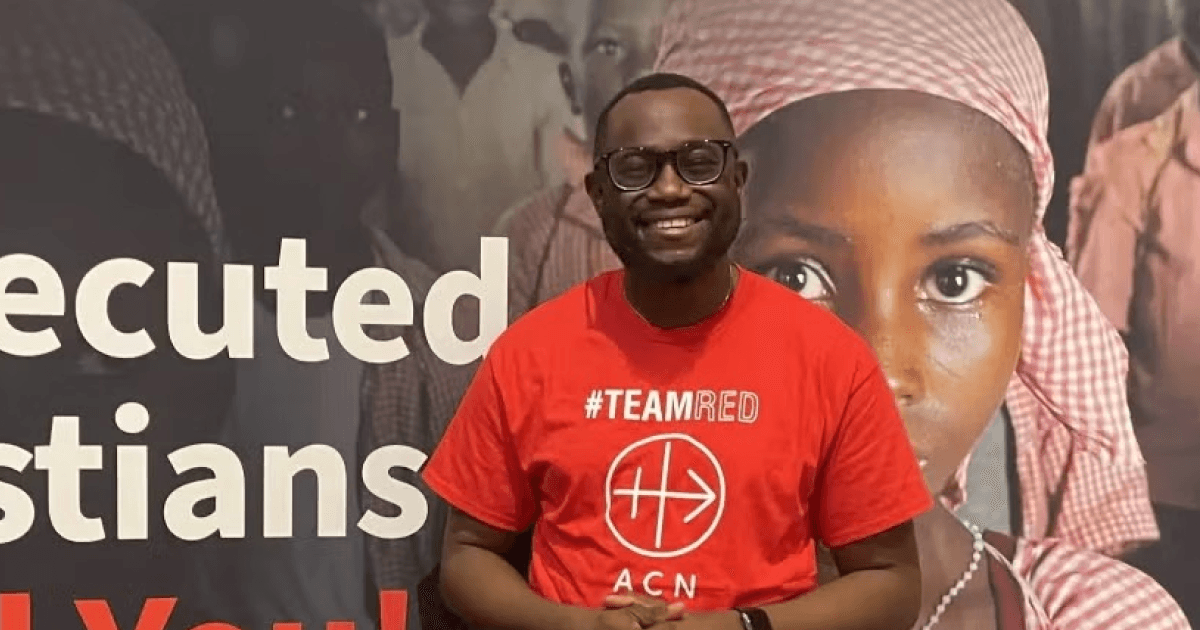 Newsroom
TikTok priest urges young people to stand with persecuted Christians
Nathalie Raffray Newsroom
Baby born at 25 weeks reunites with neonatologist two years after leaving hospital
The Catholic Herald Newsroom
Joe Biden honoured by Planned Parenthood after defending abortion rights
Christine Rousselle
subscribe to the catholic herald today
Our best content is exclusively available to our subscribers. Subscribe today and gain instant access to expert analysis, in-depth articles, and thought-provoking insights—anytime, anywhere. Don’t miss out on the conversations that matter most.
Subscribe



