September 9, 2026

SSPX protest double standard after ban on using Assisi basilica

Michael Haynes
More
Related
Min read
share

The Society of Saint Pius X has protested what it described as a double standard, after its pilgrimage was banned from entering the basilica in Assisi yet ecumenical events are set to take place all across the town and churches next month.  

“Once again, there is a welcoming attitude toward everyone, even the most remote pagans of the globe, but not toward those who wish to remain children of the Roman Catholic Apostolic Church without compromise.”  

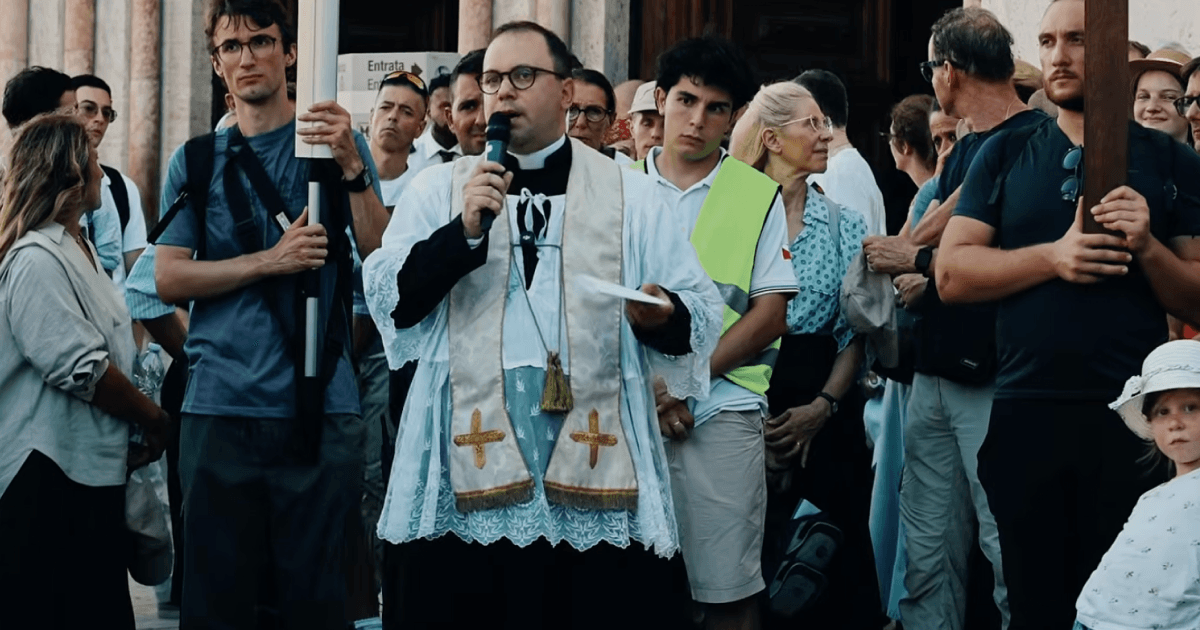
Such was the response of Fr Gabriele D’Avino, superior of the Italian district of the SSPX, after the walking pilgrimage he led to Assisi was left outside the church. On September 6, the Italian members of the Society assembled in Assisi for the annual visit to the town which is home to St. Francis and the birth of the Franciscan Order.  
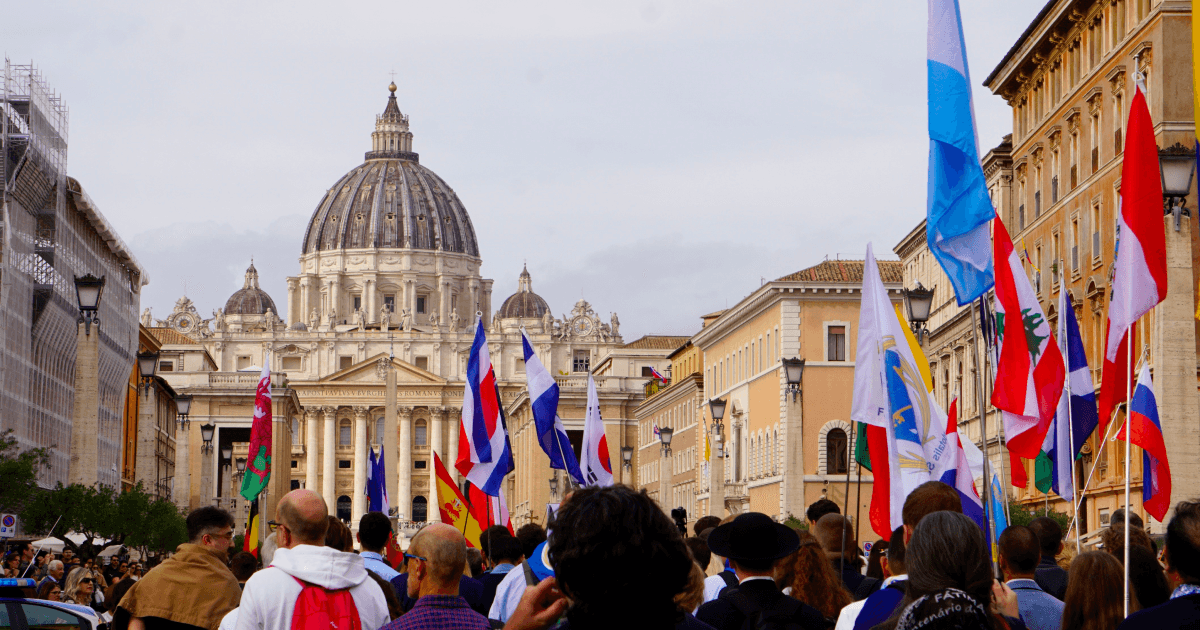
After walking from nearby Bevagna to Assisi over the course of the weekend, the pilgrimage group attempted to enter the Basilica of St. Francis where they intended to sing the Creed as a close to the pilgrimage. According to a press release, SSPX clergy and faithful present “were denied access to the Basilica as a consequence of their ‘new’ ecclesial status following the ordinations of July 1 – namely, as ‘schismatics and excommunicated.’”

D’Avino stated that the pilgrimage was told its members could enter the basilica in small groups for private prayer, but “not as a community for public prayer”.

Faced with this choice, D’Avino refused the proposed arrangement. Instead, he delivered the closing address outside the basilica and the pilgrimage sang the Creed outside.  

But he pushed back against the response from the basilica community by highlighting the upcoming ecumenical events due to take place all over Assisi at the end of October. “On October 27, 2026 the members and representatives of all false cults will pray publicly in the churches of the city of Assisi,” to mark the 40th anniversary of the 1986 Assisi meetings, he noted.  

The 1986 ecumenical meeting in Assisi saw Pope John Paul II pray with Orthodox Christians, Protestants, Jews, Muslims, Hindus, Buddhists and representatives of many other religions in front of one of Italy’s most famous shrines, making a cry for global peace.  

John Paul II defended the meeting from any critics, saying that the presence of ecumenical leaders was no “concession to relativism in religious beliefs,” but instead highlighted the importance of religious activity in the work for peace. He added:  

“Religions are many and varied, and they reflect the desire of men and women down through the ages to enter into a relationship with the Absolute Being. Prayer entails conversion of heart on our part. It means deepening our sense of the ultimate Reality. This is the very reason for our coming together in this place.”

Subsequent events marking the 1986 original have been held in “the spirit of Assisi” and have been heavily orchestrated by the influential lay group Sant’Egidio. Successive popes have often participated in the annual meetings, taking the stage with ecumenical representatives and engaging in symbolic gestures aimed at fostering peace initiatives.

However, the original 1986 meeting has remained as one of the more controversial of John Paul II’s reign. Whilst robustly praised by peace activists, ecumenical leaders and Vatican officials, it has been often cited by analysts as placing the Church on an equal footing with other religions and false creeds.  

Church historian Henry Sire described it as an act of “sacrilege” and “idolatrous worship,” and Bishop Athanasius Schneider has previously opined the 1986 meeting was a “preparation” for the worship of the Pachamama statues in the Vatican Gardens, as it accustomed Catholics to the “erroneous teaching … that all religions are on the same level.”

After proceeding with its episcopal consecrations on July 1, the SSPX has faced increasing bans from using churches by bishops across the globe. The Vatican has published a decree announcing the automatic excommunication of the six SSPX bishops, which the SSPX subsequently appealed.  

No public reply has been forthcoming from the Holy See regarding the appeal, and requests for comment from the Catholic Herald have gone unanswered. With the timeframe for the Vatican’s response having now ended, the Society will continue with the next stage of its appeal.

Michael Haynes is an English journalist in the Holy See Press Corps. He serves as Vatican Correspondent for the Catholic Herald, while readers can follow him at Per Mariam and on X @MLJHaynes.

Continue reading with a free account

Create a free account to read up to five articles each month
Create free account

You have # free articles remaining this month.

Subscribe to get unlimited access.
Sign up

subscribe to the catholic herald today

Our best content is exclusively available to our subscribers. Subscribe today and gain instant access to expert analysis, in-depth articles, and thought-provoking insights—anytime, anywhere. Don’t miss out on the conversations that matter most.
Subscribe