February 7, 2026
February 7, 2026

Superior General of the SSPX reveals further details on planned episcopal consecrations

Min read
share

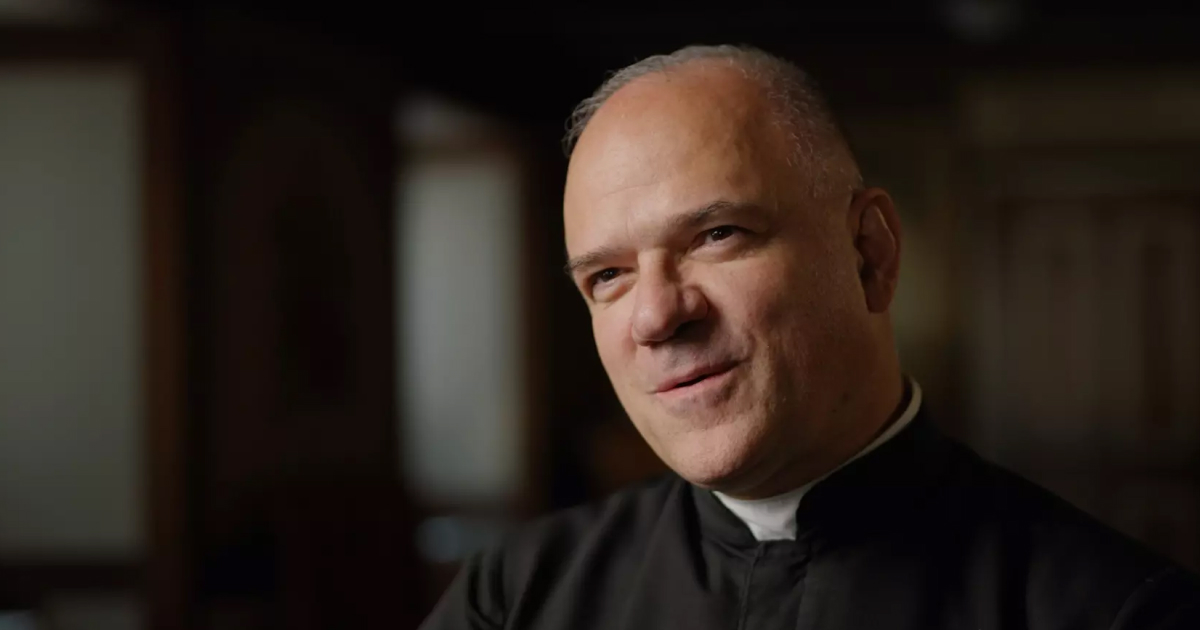
The Superior General of the Society of Saint Pius X, Fr Davide Pagliarani, has provided further details about the planned episcopal consecrations in an internal interview with SSPX News, published on February 5 and conducted at Flavigny-sur-Ozerain in France, three days after the initial announcement.

The announcement and interview came amid persistent speculation, particularly following the death of Bishop Bernard Tissier de Mallerais in October 2024.

In the interview, Fr Pagliarani explained the timing of the announcement, saying: “The Feast of the Purification of the Blessed Virgin Mary is very significant in the Fraternity. It is the day when candidates for the priesthood receive the cassock. The Presentation of Our Lord in the Temple, which we celebrate today, reminds them that the key to their formation and preparation for Holy Orders lies in self-giving, which is bestowed through the hands of Mary.”

He addressed the delay in confirming the rumours, noting that the Society had followed the example of Archbishop Marcel Lefebvre in exercising caution and waiting on divine Providence. “Like Archbishop Lefebvre in his time, the Society of Saint Pius X has always been careful not to precede Providence but to follow it, allowing itself to be guided by its indications,” he said. “Such an important decision cannot be taken lightly or hastily.”

Fr Pagliarani disclosed that the SSPX had first approached the Holy See. He wrote to Pope Leo XIV last summer requesting an audience but received no reply, before sending a second letter expressing both doctrinal differences and fidelity. “I mentioned our doctrinal differences, but also our sincere desire to serve the Catholic Church tirelessly: for we are servants of the Church, despite our unrecognised canonical status,” he said.

A response from Cardinal Víctor Manuel Fernández arrived recently, which Fr Pagliarani described as evasive. The Society had proposed that its exceptional position be temporarily tolerated for the benefit of souls. “We have promised the Pope to devote all our energy to safeguarding Tradition and to making our faithful true sons of the Church,” he said. “It seems to me that such a proposal is both realistic and reasonable, and that it could, in itself, receive the Holy Father’s approval.”

Without approval, he framed the consecrations as a necessary measure. “This is an extreme measure, proportionate to a real and equally extreme necessity,” he said. He argued that, after prayer and waiting, the present crisis affecting souls, the fraternity and the Church required action. He maintained that the justifications given for the 1988 consecrations remained valid and had intensified in the present circumstances. “The Second Vatican Council remains, more than ever, the compass guiding Church leaders, and they are unlikely to change course in the near future,” he said.

Fr Pagliarani also criticised recent developments in the Church, referring to Cardinal Fernández’s emphasis on the kerygma and what he described as a departure from doctrinal clarity. “It is this method of new evangelisation that has produced the doctrinal void characteristic of Francis’s pontificate,” he said. He linked this to pastoral developments such as Communion for the divorced and remarried and blessings for same-sex couples.

He argued that in many ordinary parishes the faithful no longer found what he described as the necessary means for salvation. “This particularly concerns the full preaching of Catholic truth and morality, as well as the administration of the sacraments as the Church has always done,” he said.

Responding to criticism of the Society’s contested suppression in the 1970s, Fr Pagliarani said its actions were motivated by charity. “It is simply a matter of charity. We do not want to take on a mission we do not have. But at the same time, we cannot refuse to respond to the spiritual distress of souls who are increasingly perplexed, disoriented and lost,” he said. He added that the principle suprema lex, salus animarum underpinned the Society’s work. “In the present state of necessity, the entire legitimacy of our apostolate and our mission to the souls who turn to us ultimately depends on this supreme principle,” he said.

He rejected what he described as a false opposition between Tradition and hierarchical communion. “This dilemma is only apparent, in reality. It is clear that a Catholic must both maintain the integrity of Tradition and communion with the hierarchy,” he said.

Fr Pagliarani also cited the 2019 Abu Dhabi Declaration as incompatible with Catholic doctrine. “He and the Muslim leader affirmed that the plurality of religions had been willed as such by divine Wisdom. It is obvious that a communion based on, or including, the acceptance of such a statement would simply not be Catholic,” he said.

Whilst acknowledging the role of online debate, he emphasised the importance of concrete pastoral work. “The fight for the faith cannot be restricted and exhausted by discussions and positions taken on the web or social media,” he said.

On the possibility of papal tolerance, he appealed to the Pope’s pastoral judgement. “A pope is first and foremost a father. As such, he is capable of discerning a righteous intention, a sincere desire to serve the Church, and above all, a genuine case of conscience in an exceptional situation,” he said. He contrasted this with Rome’s handling of bishops in China. “Frankly, I do not see how the Pope could fear a greater danger to souls from the side of the Fraternity than from the side of the Beijing government.”

Addressing the traditional Mass, Fr Pagliarani referred to recent statements affirming the continued application of Traditionis Custodes. “The Church ‘must have only one rite’ in full harmony with the true meaning of Tradition,” he said, criticising restrictions placed on the older liturgy.

He also criticised the reformed liturgy, saying: “To fail to recognise the Novus Ordo’s inherent inability to edify souls, while demanding even better training, seems to me a sign of irremediable blindness.”

Fr Pagliarani concluded by urging the faithful to pray. “I would like to tell them that the present moment is first and foremost a time for prayer, for preparing hearts, souls, and also minds,” he said. He added that the Society hoped for a papal audience but was prepared to accept suffering if condemned. “We are certain that one day, the Roman authorities will gratefully recognise that these episcopal consecrations will have providentially contributed to maintaining the faith,” he said.
The Superior General of the Society of Saint Pius X, Fr Davide Pagliarani, has provided further details about the planned episcopal consecrations in an internal interview with SSPX News, published on February 5 and conducted at Flavigny-sur-Ozerain in France, three days after the initial announcement.

The announcement and interview came amid persistent speculation, particularly following the death of Bishop Bernard Tissier de Mallerais in October 2024.

In the interview, Fr Pagliarani explained the timing of the announcement, saying: “The Feast of the Purification of the Blessed Virgin Mary is very significant in the Fraternity. It is the day when candidates for the priesthood receive the cassock. The Presentation of Our Lord in the Temple, which we celebrate today, reminds them that the key to their formation and preparation for Holy Orders lies in self-giving, which is bestowed through the hands of Mary.”

He addressed the delay in confirming the rumours, noting that the Society had followed the example of Archbishop Marcel Lefebvre in exercising caution and waiting on divine Providence. “Like Archbishop Lefebvre in his time, the Society of Saint Pius X has always been careful not to precede Providence but to follow it, allowing itself to be guided by its indications,” he said. “Such an important decision cannot be taken lightly or hastily.”

Fr Pagliarani disclosed that the SSPX had first approached the Holy See. He wrote to Pope Leo XIV last summer requesting an audience but received no reply, before sending a second letter expressing both doctrinal differences and fidelity. “I mentioned our doctrinal differences, but also our sincere desire to serve the Catholic Church tirelessly: for we are servants of the Church, despite our unrecognised canonical status,” he said.

A response from Cardinal Víctor Manuel Fernández arrived recently, which Fr Pagliarani described as evasive. The Society had proposed that its exceptional position be temporarily tolerated for the benefit of souls. “We have promised the Pope to devote all our energy to safeguarding Tradition and to making our faithful true sons of the Church,” he said. “It seems to me that such a proposal is both realistic and reasonable, and that it could, in itself, receive the Holy Father’s approval.”

Without approval, he framed the consecrations as a necessary measure. “This is an extreme measure, proportionate to a real and equally extreme necessity,” he said. He argued that, after prayer and waiting, the present crisis affecting souls, the fraternity and the Church required action. He maintained that the justifications given for the 1988 consecrations remained valid and had intensified in the present circumstances. “The Second Vatican Council remains, more than ever, the compass guiding Church leaders, and they are unlikely to change course in the near future,” he said.

Fr Pagliarani also criticised recent developments in the Church, referring to Cardinal Fernández’s emphasis on the kerygma and what he described as a departure from doctrinal clarity. “It is this method of new evangelisation that has produced the doctrinal void characteristic of Francis’s pontificate,” he said. He linked this to pastoral developments such as Communion for the divorced and remarried and blessings for same-sex couples.

He argued that in many ordinary parishes the faithful no longer found what he described as the necessary means for salvation. “This particularly concerns the full preaching of Catholic truth and morality, as well as the administration of the sacraments as the Church has always done,” he said.

Responding to criticism of the Society’s contested suppression in the 1970s, Fr Pagliarani said its actions were motivated by charity. “It is simply a matter of charity. We do not want to take on a mission we do not have. But at the same time, we cannot refuse to respond to the spiritual distress of souls who are increasingly perplexed, disoriented and lost,” he said. He added that the principle suprema lex, salus animarum underpinned the Society’s work. “In the present state of necessity, the entire legitimacy of our apostolate and our mission to the souls who turn to us ultimately depends on this supreme principle,” he said.

He rejected what he described as a false opposition between Tradition and hierarchical communion. “This dilemma is only apparent, in reality. It is clear that a Catholic must both maintain the integrity of Tradition and communion with the hierarchy,” he said.

Fr Pagliarani also cited the 2019 Abu Dhabi Declaration as incompatible with Catholic doctrine. “He and the Muslim leader affirmed that the plurality of religions had been willed as such by divine Wisdom. It is obvious that a communion based on, or including, the acceptance of such a statement would simply not be Catholic,” he said.

Whilst acknowledging the role of online debate, he emphasised the importance of concrete pastoral work. “The fight for the faith cannot be restricted and exhausted by discussions and positions taken on the web or social media,” he said.

On the possibility of papal tolerance, he appealed to the Pope’s pastoral judgement. “A pope is first and foremost a father. As such, he is capable of discerning a righteous intention, a sincere desire to serve the Church, and above all, a genuine case of conscience in an exceptional situation,” he said. He contrasted this with Rome’s handling of bishops in China. “Frankly, I do not see how the Pope could fear a greater danger to souls from the side of the Fraternity than from the side of the Beijing government.”

Addressing the traditional Mass, Fr Pagliarani referred to recent statements affirming the continued application of Traditionis Custodes. “The Church ‘must have only one rite’ in full harmony with the true meaning of Tradition,” he said, criticising restrictions placed on the older liturgy.

He also criticised the reformed liturgy, saying: “To fail to recognise the Novus Ordo’s inherent inability to edify souls, while demanding even better training, seems to me a sign of irremediable blindness.”

Fr Pagliarani concluded by urging the faithful to pray. “I would like to tell them that the present moment is first and foremost a time for prayer, for preparing hearts, souls, and also minds,” he said. He added that the Society hoped for a papal audience but was prepared to accept suffering if condemned. “We are certain that one day, the Roman authorities will gratefully recognise that these episcopal consecrations will have providentially contributed to maintaining the faith,” he said.
subscribe to
the catholic herald

Continue reading your article with a subscription.
Read 5 articles with our free plan.
Subscribe
share

subscribe to the catholic herald today

Our best content is exclusively available to our subscribers. Subscribe today and gain instant access to expert analysis, in-depth articles, and thought-provoking insights—anytime, anywhere. Don’t miss out on the conversations that matter most.
Subscribe