

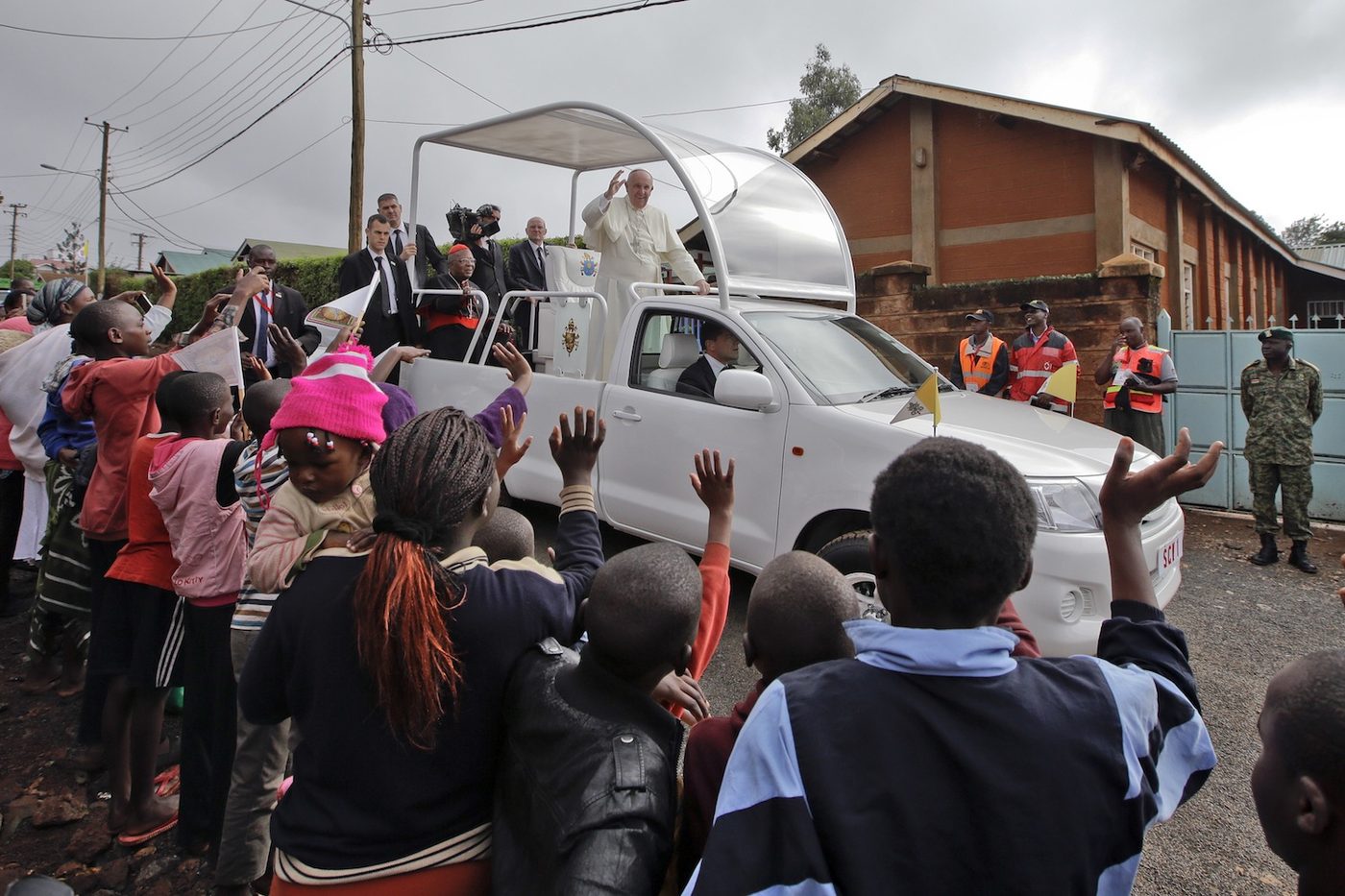
One great piece of news that warmed my heart was that more than two million people are expected to come to Pope Francis’s Mass today at the shrine for the 22 Catholic martyrs. All in all, there were 45 Christian martyrs, 23 were Anglicans. Pope Francis and the millions of souls before him who will assist at this Papal Mass will revive the memory of the martyrs who heroically died excruciating deaths. The vast majority, 26 were burned alive on June 3rd 1886. Others had their bodies ripped apart with a spear or were savaged by feral dogs or were viciously dismembered. Uganda has reason to be proud of her Christian martyrs. These valiant men and women offer us the supreme example of self-sacrifice and begs the question of all of us – would we be willing to die by having blazing flames lick the flesh off our bones – or would we reject the Gospels to save our necks? The Ugandan Christians of the 1880s found themselves torn between loyalty to the ruling king and loyalty to their faith. The Catholic and Anglican missionaries had come to Uganda during the reign of King Mutesa I, who gave his people leave to join a religion of their choice. King Mutesa I himself did not become a Christian, but by the time he died Catholic and Anglican missionaries had established growing communities. Mutesa I was succeed by King Mwanga who was enraged that his Christian subjects were more loyal to their priests than to him. It is said that the initial incident that sparked King Mwanga’s fury with Christians was when some of his pages, who had become Christian started to refuse his orders because it was against their faith. In 1885 King Mwanga ordered the murder of an Anglican bishop, James Hannington. One of King Mwanga’s inner circle, Joseph Mukasa Balinkuddembe was outraged at the murder of Bishop Mwanga and told King Mwanga off. So incensed that Joseph would speak against him, Mwanga ordered that Joseph be decapitated. Like St Joseph Mukasa, the early Ugandan Christians were not mindless automatons, under the control of manipulative European missionaries. Rather, the Ugandans who became Christian did so of their own free will. This came as a revelation to me – and may come as somewhat of a surprise to many of my peers – so many of us were taught in education systems given to multi-culturalism that Christian missionaries forced the Africans to give up a non-Christian way of life and that the Africans were the poorer for abandoning tribal spiritual ceremonies. It is crucial to acknowledge that the new Christian converts were warned by the missionaries that they might suffer a fate like St Joseph Mukasa – but even with the sword of Damocles hanging over their heads – they still became followers of Christ. Today, Pope Francis will offer Mass in the place that honours Catholic martyrs. But I am sure he will embellish the sacrifice of the Anglican martyrs as well. After all, St Joseph Mukasa was the first Roman Catholic martyr, who of his own free will undertook to stand up to his boss, the sovereign who had arranged the murder of a fellow Christian, Anglican Bishop Hannington. If the first Catholic martyr had his head cut off for lamenting the cruel murder of a fellow Christian, our Pope may see fit to act as St Joseph Mukasa and mourn the deaths of all the Anglican martyrs who followed in the bloody footsteps of Bishop Hannington.
5:10 PM
The African missionaries who converted Uganda were not under the control of Europeans
Many of us were taught at school that Christian missionaries forced the Africans to give up a non-Christian way of life
Mary O'Regan

3 min read



Already a subscriber? Sign in
5freearticles every month
Continue reading with a free account. No card needed.
- Five free articles every thirty days, on any device you sign in on
- The Catholic Herald newsletter, every morning
- Subscribe whenever you like for everything: every article and the magazine
Related articles
 Newsroom
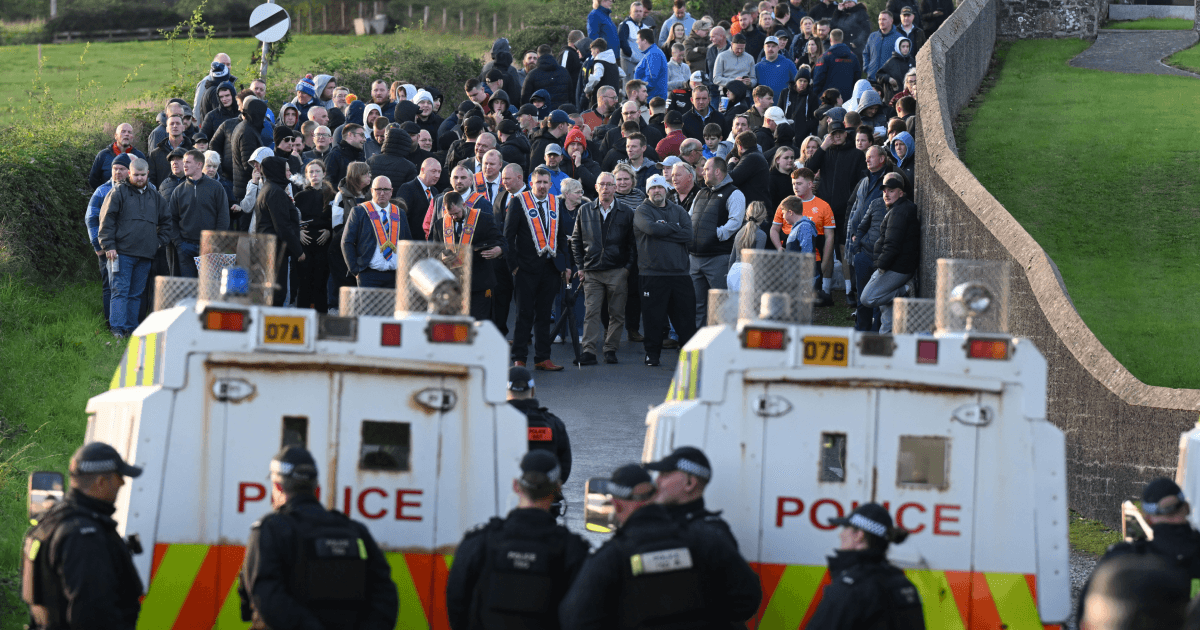
Church leaders urge Drumcree dialogue: ‘Too much is at stake’
The Catholic and Church of Ireland Archbishops of Armagh have urged a renewed commitment to peace and reconciliation amid the Drumcree stand-off
Corrie Douglas-Young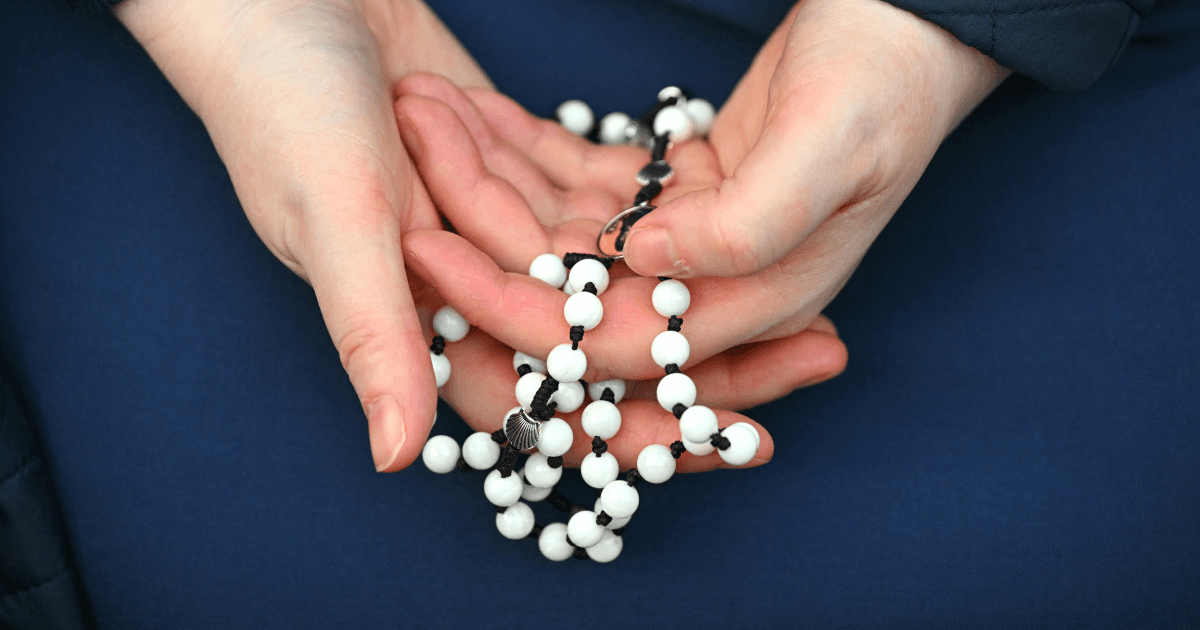 Newsroom
Thousands of Irish children to join global Rosary campaign
Corrie Douglas-Young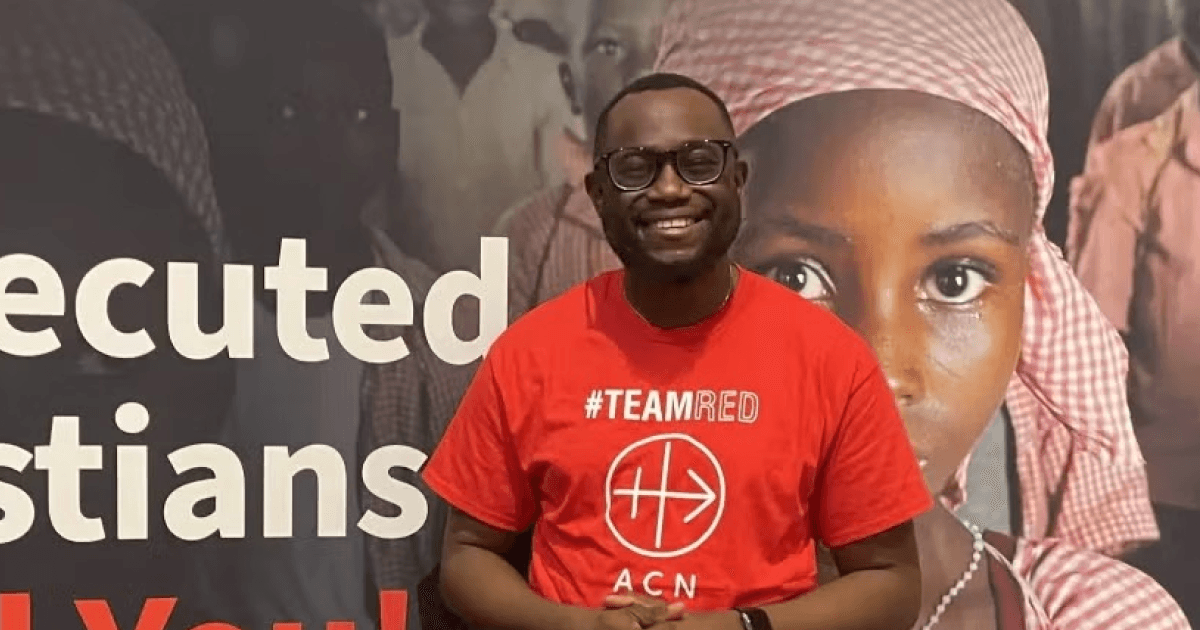 Newsroom
TikTok priest urges young people to stand with persecuted Christians
Nathalie Raffray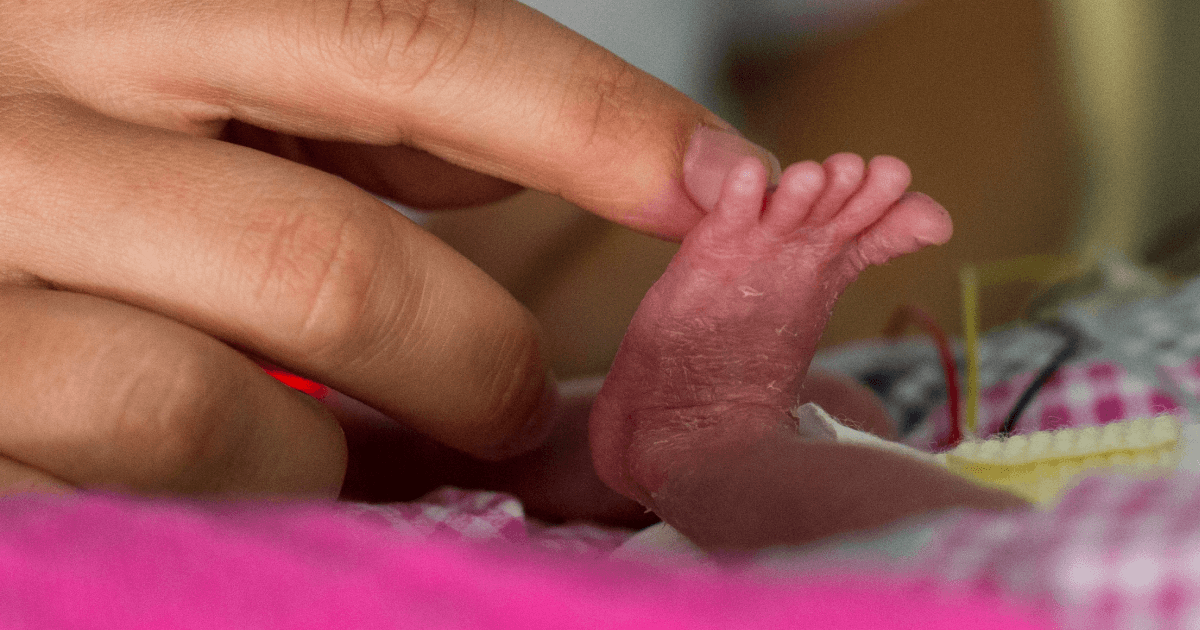 Newsroom
Baby born at 25 weeks reunites with neonatologist two years after leaving hospital
The Catholic Herald Newsroom
Joe Biden honoured by Planned Parenthood after defending abortion rights
Christine Rousselle
subscribe to the catholic herald today
Our best content is exclusively available to our subscribers. Subscribe today and gain instant access to expert analysis, in-depth articles, and thought-provoking insights—anytime, anywhere. Don’t miss out on the conversations that matter most.
Subscribe



