



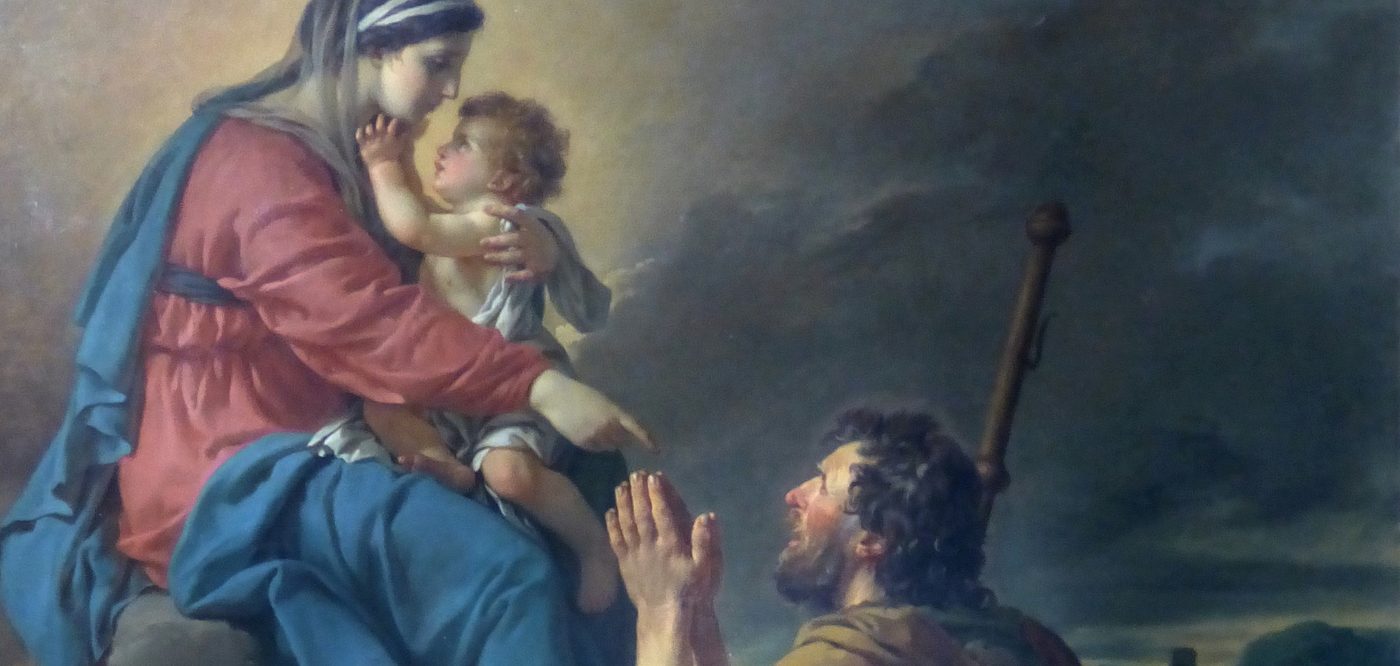
If there was ever any expectation that the coronavirus would be relatively brief and contained, that idea has long since disappeared. On March 11, the World Health Organisation (WHO) declared that coronavirus, or Covid-19, was now a “pandemic”, a term used only when a disease has become truly calamitous. Detected in China late last year, the virus has spread rapidly across the globe; and the WHO declaration expressed concern about both its extent and “the alarming levels of inaction” to it by many nations. The international community is finally coordinating a response, but how effective it will be remains to be seen. What is clear is that even medical experts, who are pouring their energies into stopping it, cannot say when the virus will end, or even be controlled. As of this writing, nearly 200,000 cases have been confirmed, and more than 7,000 deaths, with those numbers certain to rise – perhaps exponentially. The pandemic has already led to quarantines, lockdowns, border restrictions, and abrupt cancellations of major secular and sacred events – including Masses. Economic instability, if not financial panic, has ensued. In some ways, the modern world, for all its technology and progress, has been plunged back into the Middle Ages, when governments and leaders had to take actions against terrible pandemics. But if there is one institution which has endured more plagues than any other – and done so with fortitude and grace – it is the Catholic Church. The saints have always played a central role in the Church’s response to plagues, and now that the world faces a new one, they are being asked to intercede once again. Perhaps the most famous plague saint is St Sebastian. After his embrace of Christianity in the 3rd century, Sebastian joined the Roman army to help other Christians being persecuted by the Romans. Even as he became an elite member of the Praetorian Guard, under the notorious anti-Christian Emperor Diocletian, Sebastian secretly brought many soldiers into the Church. But as soon as his courageous witness was discovered, Diocletian ordered Sebastian to be executed. Tied to a post, Sebastian was pierced with a band of arrows and left for dead – until a Christian woman, Irene of Rome, found him breathing, astonishingly, and nursed him back to health. Sebastian became a hero to Christians everywhere. Records reveal that St Sebastian was celebrated in Rome (in 680), Milan (1575) and Lisbon (1599) for protecting the faithful against plagues. During the Renaissance, he became a favourite subject of artists, who often depicted the saint movingly with arrows tormenting his body, as he stoically gazed towards heaven. St Sebastian became a symbol for suffering humanity during recurring plagues, and his miraculous recovery gave those afflicted hope and consolation. Abbeys, churches and basilicas were founded in his name; and after the recent outbreak of coronavirus, Sebastian was one of the first saints Catholics were encouraged to pray to. Another prominent protector of plagues is St Roch. The son of a wealthy family in the early 14th century, he was born with a striking red cross across his chest. After his parents died when he was only 20, St Roch handed the government of Montpellier (which he had inherited from his father) to his uncle, and then donated his entire fortune to the poor. Setting out to Italy as a pilgrim, Roch began visiting various plague-infested cities, miraculously curing its citizens with the Cross. Everywhere he went, it appeared, the terrible scourge vanished, and the supernatural powers God had granted St Roch became the talk of Italy. After finally succumbing to the disease himself, he withdrew to obscurity, but he recovered from an infection which killed almost everyone it touched. Not wanting to be honoured for his good deeds, the humble saint returned to France in disguise, and was mistakenly arrested for a spy, eventually dying in prison. Only after his death was St Roch’s identity rediscovered, owing to the signature cross on his chest and a document in his possession. He was soon given a triumphant funeral, and additional miracles followed his death, attesting to his sanctity. By then, the Church’s hierarchy revered St Roch. “In 1414, during the Council of Constance,” reports the Catholic Encyclopedia, “the plague having broken out in that city, the Fathers of the Council ordered public prayers and processions in honour of the saint, and immediately the plague ceased.” A centuries-old Prayer to St Roch is still recited to this day:
2:48 PM
The best saints to pray to during a pandemic
William Doino Jr

7 min read



Already a subscriber? Sign in
5freearticles every month
Continue reading with a free account. No card needed.
- Five free articles every thirty days, on any device you sign in on
- The Catholic Herald newsletter, every morning
- Subscribe whenever you like for everything: every article and the magazine
Related articles
 Newsroom
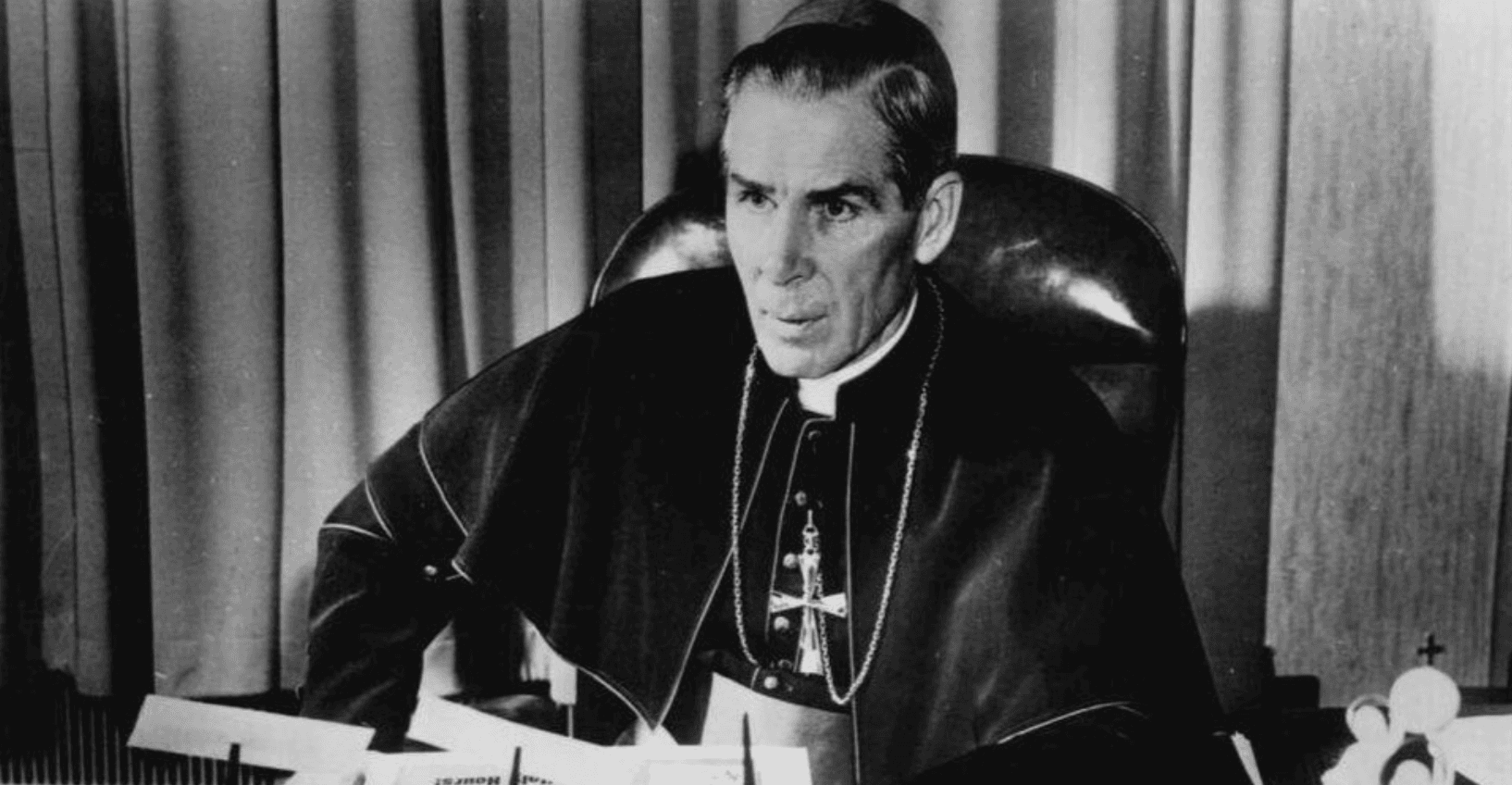
First parish named for Bl Fulton Sheen established in Illinois
Bishop Louis Tylka of Peoria announced the new Blessed Fulton Sheen Parish two days after Sheen became the first American-born bishop to be beatified
Christine Rousselle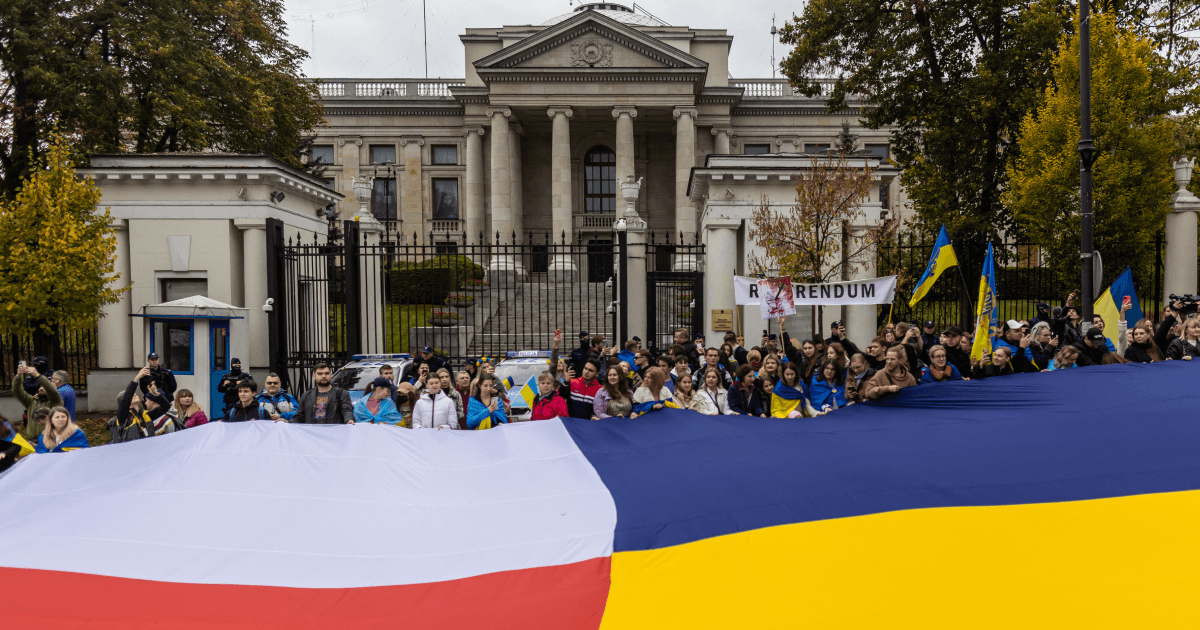 Newsroom
Injured priest tells Poles: ‘Do not blame Ukraine’ for convent attack
Corrie Douglas-Young Newsroom
Church leaders urge Drumcree dialogue: ‘Too much is at stake’
Corrie Douglas-Young Newsroom
Thousands of Irish children to join global Rosary campaign
Corrie Douglas-Young Newsroom
TikTok priest urges young people to stand with persecuted Christians
Nathalie Raffray
subscribe to the catholic herald today
Our best content is exclusively available to our subscribers. Subscribe today and gain instant access to expert analysis, in-depth articles, and thought-provoking insights—anytime, anywhere. Don’t miss out on the conversations that matter most.
Subscribe



