


The presence of Evelyn Waugh on the cover of this magazine, forty years after his death, is not simply a sign of his enduring appeal as a novelist, but also of the constant interest in the arts that has distinguished the Catholic Church since the beginning of its history. The first Catholic artists were anonymous, but we can still admire their work in the frescoes and mosaics of the catacombs and ancient basilicas of Rome. These artists and their patrons needed no justification, for the art of the early Christian Church was in continuity with the decorative arts that had adorned the Jewish Temple of which the Scriptures speak. Only with the iconoclast crisis on the eighth century did the creative stream in the Church encounter turbulence, and then only in the East. This led to a Council of the Church, which met at Nicea in 787. Most Catholics have never heard of the Second Council of Nicea, perhaps because its teaching on images seems the most unexceptional doctrine. After all, if Christ is the image of the unseen God, through His Incarnation, then it is surely proper to make images of the Image Himself, the fleshly Son of God. This is indeed the wellspring of all Christian art: God took up the flesh, and became visible to us. Human artistry tries to capture this visibility of God. Such artistry is not confined to painting. Catholic music surely represents an opening to the divine, as anyone who has heard Allegri’s Miserere will testify, as do the sculpture and architecture of Michelangelo and Bernini. But such artists should not be seen as the buying in of imported genius by Church patronage. Neither Bernini nor Michelangelo were saints, but it is impossible to deny the religious inspiration of their art and its theological significance. Bernini’s Saint Teresa in Ecstasy, for example, is a solid block of marble that speaks of a metaphysical world beyond, on the edge of which the saint stands. The works of Bernini, like those of the Brother Andrea Pozzo, who decorated the great Jesuit churches of Rome, were designed to lead souls to deeper faith. This evangelical thrust is certainly present in the great French Catholic novelists of the twentieth century, and our own Graham Greene, whose The Power and the Glory is perhaps one of the best and most realistic descriptions of the path to sainthood ever written, as well as being a celebration of the perennial triumph of the Church in her martyrs. Sadly the age of Greene and Waugh is over. Good Catholic buildings, paintings, sculptures and tapestries of our time are rare as well. Music is perhaps the only field in where one can see examples of the happy marriage between religion and creativity. What has gone wrong? The world is still producing talented artists, but perhaps Catholic theology has taken its eye off the ball. Have we failed to communicate the great truth of the Second Nicea that art is a privileged place for Incarnational theology? Just as Leo XIII awoke theology from its slumbers with his encyclical Aeterni Patris in 1879, so perhaps now, we need an encyclical on the importance of Catholic art to renew this age-old tradition.
1:00 PM
The faith’s lost art
The Catholic Herald

5 min read



Already a subscriber? Sign in
5freearticles every month
Continue reading with a free account. No card needed.
- Five free articles every thirty days, on any device you sign in on
- The Catholic Herald newsletter, every morning
- Subscribe whenever you like for everything: every article and the magazine
Related articles
 Newsroom
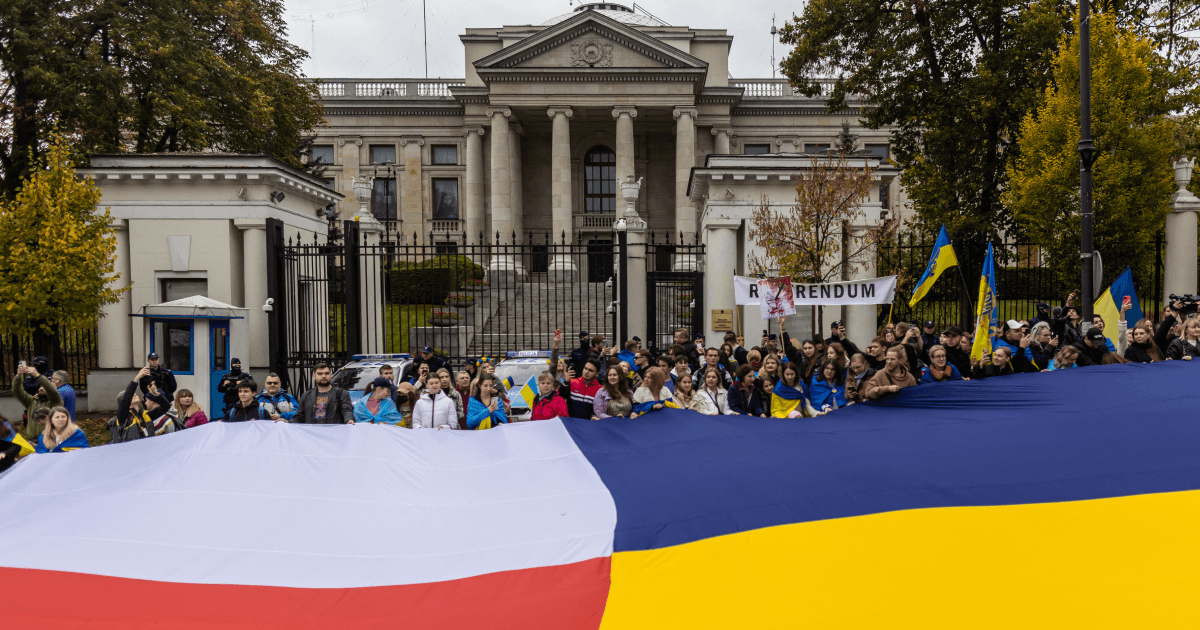
Injured priest tells Poles: ‘Do not blame Ukraine’ for convent attack
Fr Adrian Mantykiewicz, who was injured in the attack that killed a fellow priest, has urged Catholics to pray for the assailant and not blame Ukrainians for his actions
Corrie Douglas-Young Newsroom
Church leaders urge Drumcree dialogue: ‘Too much is at stake’
Corrie Douglas-Young Newsroom
Thousands of Irish children to join global Rosary campaign
Corrie Douglas-Young Newsroom
TikTok priest urges young people to stand with persecuted Christians
Nathalie Raffray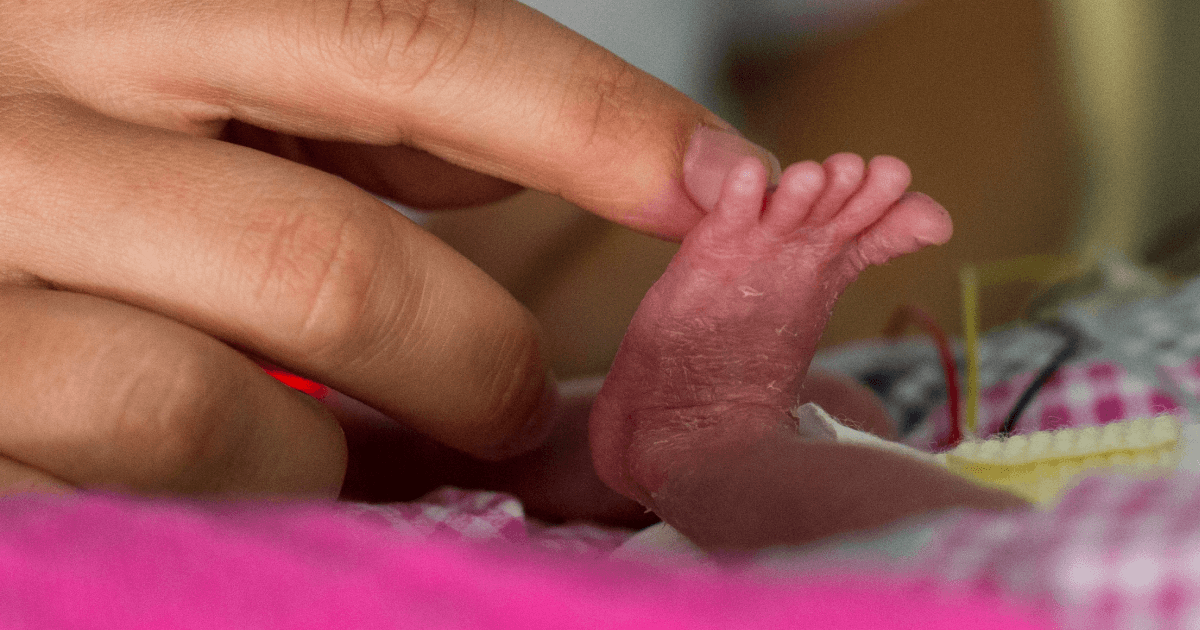 Newsroom
Baby born at 25 weeks reunites with neonatologist two years after leaving hospital
The Catholic Herald
subscribe to the catholic herald today
Our best content is exclusively available to our subscribers. Subscribe today and gain instant access to expert analysis, in-depth articles, and thought-provoking insights—anytime, anywhere. Don’t miss out on the conversations that matter most.
Subscribe



