February 11, 2026

The Pandemic Came, Christians Went Bonkers

Wolfgang
More
Related
Min read
share
The Church could have seized an opportunity of great calamity to preach salvation to the ever-darkening world of the 21st century. Instead, Christians went bonkers. It’s a hoax! It’s Soros! I’m not wearing the damn mask! Covid's not as bad as the flu! We're living in fear! They’re inflating the death toll! And on and on.

A Bad Time

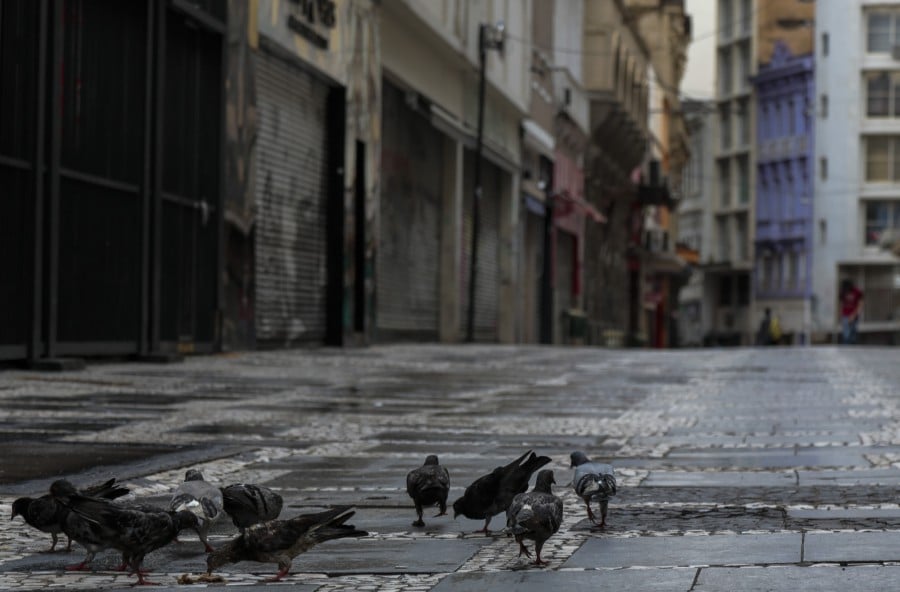
It was a bad time, and a very, very bad time for many. The coronavirus upset everything. It began for me March 13th of last year. The governor of Connecticut had issued an order the previous afternoon limiting outdoor gatherings to 200 people. We had to cancel the first-ever Connecticut March for Life. It was our biggest event in years and we were expecting thousands. I've seen only one of my colleagues since then, and her just twice. I drive to an empty office every day. Even now, as I type these words one year later, I sit alone in my office. It has been a lonely year. Not entirely, not when you are a father of seven. We got by. Our family's problems were small-ball, first world problems. We knew how fortunate we were. We read about the food lines at Rentschler Field, and about all the people losing their businesses and their jobs, and how many people could lose their homes. We read about the rising mental health crisis, the increasing number of children at risk, the growing cases of abuse, as people lived with the stress of lockdowns. We watched the death toll mount. Things we never thought we would see in America. The world needed Christians. The need was obvious. We couldn't miss it. But what lessons did  we learn in this year of quarantine? Very few, I think.

_________________________

Celebrate Easter with the Catholic Herald Save 50% on an Annual Digital Subscription

_________________________

What Lessons Learned?

At the start of the pandemic I wrote a column titled “Christians Will Get Through This — Better Than Others, and For Them.” I don’t think anything I have ever written turned out to be less true. Some Christians (including me) believe the pandemic is a punishment or chastisement from God. But many forgot the crucial point. The crucial point is that God does not punish as an end in itself. His desire is always to show mercy, always to give salvation. To paraphrase God's declaration in the book of Ezekiel: He takes no pleasure in the suffering of sinners, but wants them to turn from their way and live. As St. Peter teaches, the Lord is patient with us, not wanting anyone to perish, but for everyone to come to repentance. This is another crucial point, that many also forgot: God does not punish "them," but us as well. He does not want us to take satisfaction in seeing others being punished, but to accept our own guilt and examine our own lives.

The Church's Great Chance

Whether a Divine punishment or not, God's Church was given a great chance to preach mercy and salvation to the ever-darkening world of the 21st century. Such great and shared suffering could point people to God — if his people showed the Gospel in their words and actions. Instead, as I say, my fellow conservative Christians went bonkers. We had reasons for our suspicions. I said so myself. But not all of them and not with the complete certainty so many had. A little more humility in trying to separate fact from fiction might have served us well this past year. Consider the Cuomo nursing home scandal. The coverup proved that conservative suspicions were warranted -- but Cuomo is guilty of downplaying the real death toll, not inflating the numbers. In general, whether it was Democrats criticizing Republicans in executive office, or vice-verse, no one was willing to allow that a fight against a once-in-a-century global pandemic was bound to have a “fog of war” in its early stages. People doing their best would make mistakes. Some people would use the crisis to their own advantage.

The Middle Course

It should not have been hard to plot a middle course between panic and imprudence while focusing on the needs of our neighbors. Few of the issues affected what we had to do for others I don’t know who is right and who is wrong on the science. But I was always mindful of this one friend, mother of a child with cystic fibrosis, who would plead on Facebook for people to wear the masks for the sake of her child. Even if our Covid overloads were wrong or dishonest about the mask, I wondered about the message refusing the small act of wearing a mask sent her, and her child, and the world at large. Likewise with the temporary closing of the churches. The bishops could have been more creative in their response. I get that. (Chicago’s Cardinal Cupich actually was.) But frequent reception of the Eucharist is something that only goes back to St. Pius X in the early twentieth century. The idea that the bishops had placed some unholy deprivation on the laity seemed a bit overwrought. Why not use the opportunity to double down on the Rosary, the Liturgy of the Hours, praying together as a family, etc?

Our Tribes' Reaction

Was the anti-mask thing just an all-American love for freedom? Was the outrage at the bishops the just cry of Catholics denied communion with their beloved Lord? Maybe. Maybe I just don’t love freedom and Jesus enough. But in the fight against assisted suicide, we have noticed something about its supporters. They tend to be people who are used to being in control of their lives. Any act of God that takes away that control they take as an affront. I wonder how much the reaction of our own tribes this past year was due to patriotism or Catholicism, and how much of it was simply that same desire to not lose control? And, if it was received by our contemporaries as selfishness, how much of a God-given opportunity to evangelize did we just blow?   Peter Wolfgang is president of Family Institute of Connecticut Action. He lives in Waterbury, Connecticut, with his wife and their seven children. The views expressed here are solely his own. His previous article was Why the Catholic Church Will Miss Donald Trump.

The Church could have seized an opportunity of great calamity to preach salvation to the ever-darkening world of the 21st century. Instead, Christians went bonkers. It’s a hoax! It’s Soros! I’m not wearing the damn mask! Covid's not as bad as the flu! We're living in fear! They’re inflating the death toll! And on and on.

A Bad Time

It was a bad time, and a very, very bad time for many. The coronavirus upset everything. It began for me March 13th of last year. The governor of Connecticut had issued an order the previous afternoon limiting outdoor gatherings to 200 people. We had to cancel the first-ever Connecticut March for Life. It was our biggest event in years and we were expecting thousands. I've seen only one of my colleagues since then, and her just twice. I drive to an empty office every day. Even now, as I type these words one year later, I sit alone in my office. It has been a lonely year. Not entirely, not when you are a father of seven. We got by. Our family's problems were small-ball, first world problems. We knew how fortunate we were. We read about the food lines at Rentschler Field, and about all the people losing their businesses and their jobs, and how many people could lose their homes. We read about the rising mental health crisis, the increasing number of children at risk, the growing cases of abuse, as people lived with the stress of lockdowns. We watched the death toll mount. Things we never thought we would see in America. The world needed Christians. The need was obvious. We couldn't miss it. But what lessons did  we learn in this year of quarantine? Very few, I think.

_________________________

Celebrate Easter with the Catholic Herald Save 50% on an Annual Digital Subscription

_________________________

What Lessons Learned?

At the start of the pandemic I wrote a column titled “Christians Will Get Through This — Better Than Others, and For Them.” I don’t think anything I have ever written turned out to be less true. Some Christians (including me) believe the pandemic is a punishment or chastisement from God. But many forgot the crucial point. The crucial point is that God does not punish as an end in itself. His desire is always to show mercy, always to give salvation. To paraphrase God's declaration in the book of Ezekiel: He takes no pleasure in the suffering of sinners, but wants them to turn from their way and live. As St. Peter teaches, the Lord is patient with us, not wanting anyone to perish, but for everyone to come to repentance. This is another crucial point, that many also forgot: God does not punish "them," but us as well. He does not want us to take satisfaction in seeing others being punished, but to accept our own guilt and examine our own lives.

The Church's Great Chance

Whether a Divine punishment or not, God's Church was given a great chance to preach mercy and salvation to the ever-darkening world of the 21st century. Such great and shared suffering could point people to God — if his people showed the Gospel in their words and actions. Instead, as I say, my fellow conservative Christians went bonkers. We had reasons for our suspicions. I said so myself. But not all of them and not with the complete certainty so many had. A little more humility in trying to separate fact from fiction might have served us well this past year. Consider the Cuomo nursing home scandal. The coverup proved that conservative suspicions were warranted -- but Cuomo is guilty of downplaying the real death toll, not inflating the numbers. In general, whether it was Democrats criticizing Republicans in executive office, or vice-verse, no one was willing to allow that a fight against a once-in-a-century global pandemic was bound to have a “fog of war” in its early stages. People doing their best would make mistakes. Some people would use the crisis to their own advantage.

The Middle Course

It should not have been hard to plot a middle course between panic and imprudence while focusing on the needs of our neighbors. Few of the issues affected what we had to do for others I don’t know who is right and who is wrong on the science. But I was always mindful of this one friend, mother of a child with cystic fibrosis, who would plead on Facebook for people to wear the masks for the sake of her child. Even if our Covid overloads were wrong or dishonest about the mask, I wondered about the message refusing the small act of wearing a mask sent her, and her child, and the world at large. Likewise with the temporary closing of the churches. The bishops could have been more creative in their response. I get that. (Chicago’s Cardinal Cupich actually was.) But frequent reception of the Eucharist is something that only goes back to St. Pius X in the early twentieth century. The idea that the bishops had placed some unholy deprivation on the laity seemed a bit overwrought. Why not use the opportunity to double down on the Rosary, the Liturgy of the Hours, praying together as a family, etc?

Our Tribes' Reaction

Was the anti-mask thing just an all-American love for freedom? Was the outrage at the bishops the just cry of Catholics denied communion with their beloved Lord? Maybe. Maybe I just don’t love freedom and Jesus enough. But in the fight against assisted suicide, we have noticed something about its supporters. They tend to be people who are used to being in control of their lives. Any act of God that takes away that control they take as an affront. I wonder how much the reaction of our own tribes this past year was due to patriotism or Catholicism, and how much of it was simply that same desire to not lose control? And, if it was received by our contemporaries as selfishness, how much of a God-given opportunity to evangelize did we just blow?   Peter Wolfgang is president of Family Institute of Connecticut Action. He lives in Waterbury, Connecticut, with his wife and their seven children. The views expressed here are solely his own. His previous article was Why the Catholic Church Will Miss Donald Trump.

subscribe to
the catholic herald

Continue reading your article with a subscription.
Read 5 articles with our free plan.
Subscribe

subscribe to the catholic herald today

Our best content is exclusively available to our subscribers. Subscribe today and gain instant access to expert analysis, in-depth articles, and thought-provoking insights—anytime, anywhere. Don’t miss out on the conversations that matter most.
Subscribe